The week of Halloween isn’t just for preparing last-minute costumes—it’s also Bat Week, an annual celebration that raises awareness about the ecological importance of bats and the need to conserve them!
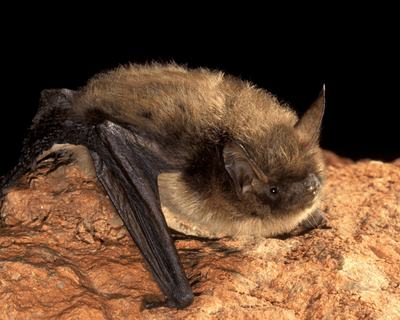
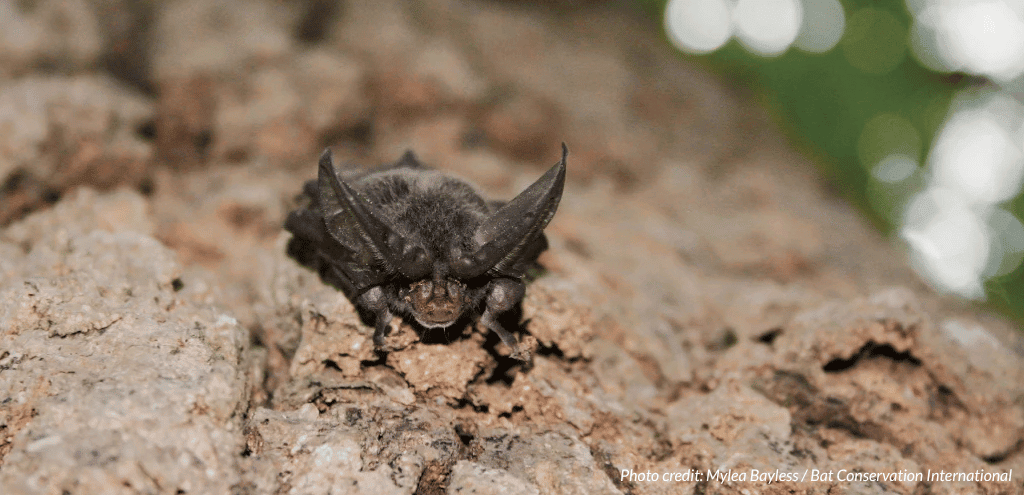
While bats make great inspiration for decorations, they are also essential members of our ecosystems, providing natural pest control, pollination, and other valuable ecological services worldwide. But they’re also facing immense conservation challenges. Three of DC’s breeding bat species have each experienced population declines of up to 90%, largely due to the spread of the infamous white-nose syndrome and habitat loss.
You may be wondering why Casey Trees—an organization that primarily deals in, you know, trees—is taking the time to highlight the importance of bats. The answer is simple—just as trees provide food and shelter to birds, butterflies, and other wildlife, trees are also crucial to the survival of bats. And the feeling is mutual: Bats around the world play a key role in supporting healthy forests and ecosystems.
Read on to learn how bats and trees are connected, and how haunting our world would be without them.
TAKING SHELTER
When we picture a bat’s home, we typically think of a rocky cave tucked away from the light, resembling Batman’s lair. While many bats do call this type of shelter home, others live in trees, finding refuge among their leaves, beneath loose bark, and inside tree cavities.
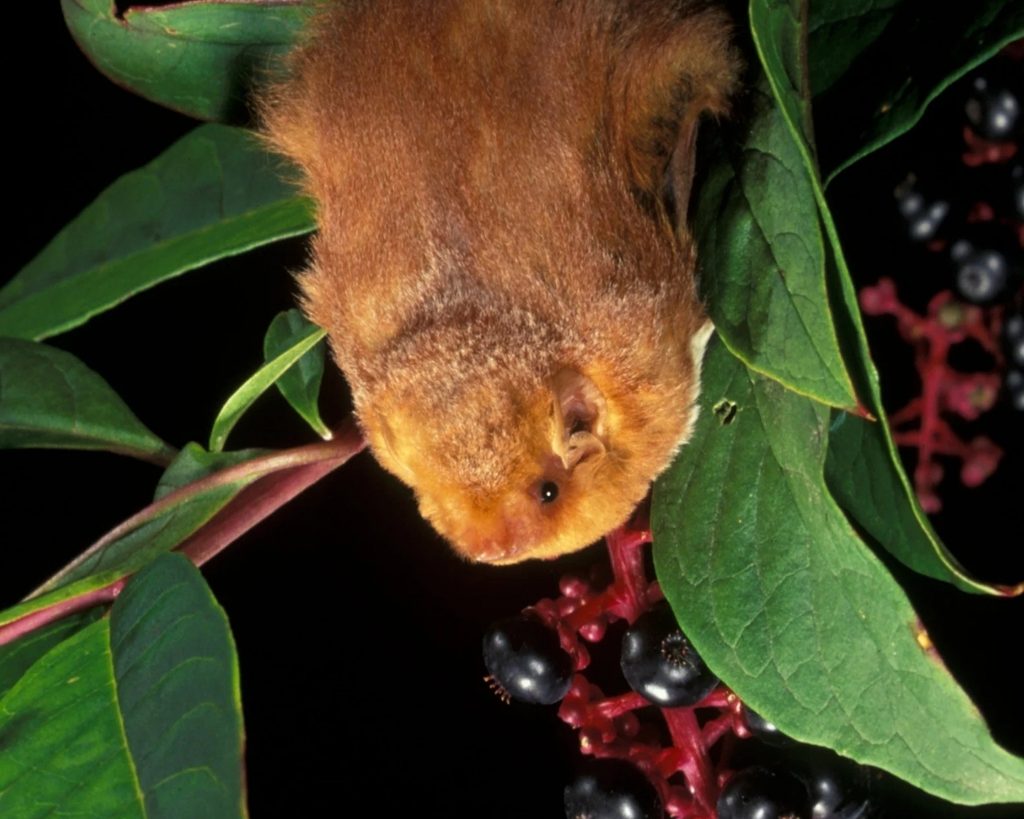
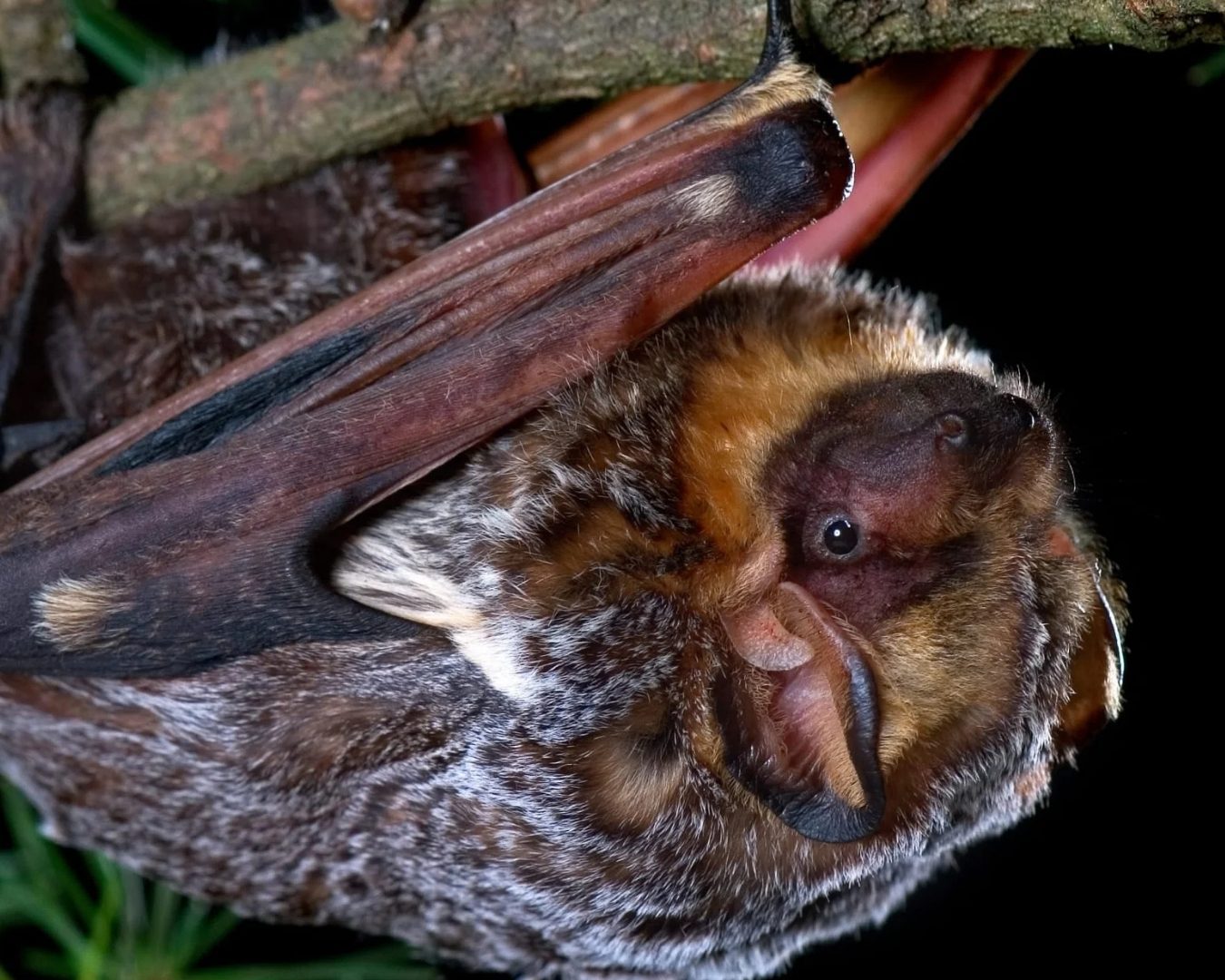
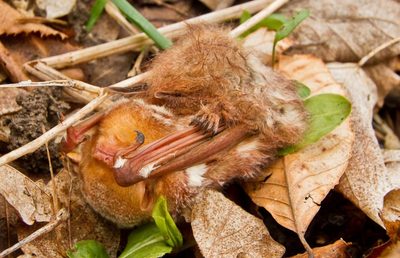
“Tree bats” such as the Eastern red bat and the Hoary bat—two of DC’s native bats—rely on mature trees like tulip poplars, maples, and oaks for shelter during the warm summer months. Hanging amidst the dense foliage of deciduous trees, these bats use their reddish-brown and gray colors to camouflage as dead leaves or pinecones during the day before taking flight at night. The Eastern red bat has also been known to rest below a tree’s leaf litter, choosing to hibernate under a pile of warm, insulated leaves come winter.
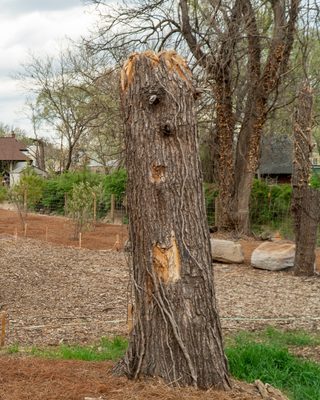
Dead trees, or “snags,” also provide integral roosting habitats for more than half of North America’s bat species. Bats native to DC, like the silver-haired bat and the evening bat, use woodpecker holes, hollow tree trunks, peeling bark, and other natural cavities warmed by the summer sun to rest and raise their young.
Trees—both living and dead—can also serve as critical hibernation locales for bats that choose to stay put, as well as pit stops for migratory bats to refuel on insects and find mates as they make their way south for the winter.
A BUG BUFFET
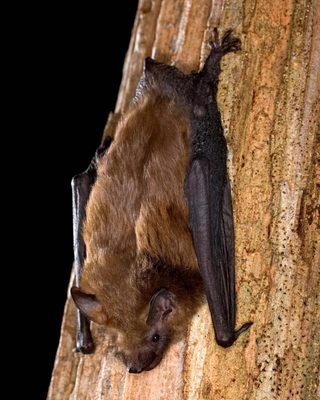
Even bats that don’t strictly reside in trees rely on the countless insects that trees and native plants attract. As expert nocturnal predators, bats use echolocation to hunt their insect prey through the night. For instance, species like the big brown bat (DC’s state mammal!) can eat one-third of their weight in moths, beetles, and other insects in one night, and nursing female bats can eat nearly their entire body weight in critters to get the energy they need to nurse their young.
But these bugs need to come from some place—and that place is often trees and native plants! A single oak tree can host over 940 types of caterpillars, providing leaves to feed on and shelter for these insects to safely overwinter before transforming into moths and butterflies. Bats take advantage of this abundance of insect life, with local species like the little brown bat and the Northern long-eared bat snacking on inchworms and budworms in the spring and hearty moths throughout the year.
Trees shape where bats hunt, too. Forest edges, canopy gaps, and tree-lined streams are valuable foraging habitats, teeming with insects while still offering an open space to maneuver and tree-covered routes to protect travelling between roosts and hunting grounds.
HOW BATS SUPPORT THE TREES—AND US
Unlike birds, bees, and butterflies, bats tend to get a bad rap. However, they are just as vital in helping maintain healthy ecosystems and supporting the natural processes that benefit trees and people alike.
Along with beneficial caterpillars and moths, bats eat a host of insects and pests that can harm trees, especially young ones. Bats’ voracious diets help keep these harmful populations in check. Without bats, tree saplings can be more susceptible to defoliation, making them more vulnerable to drought, disease, and other stressors.
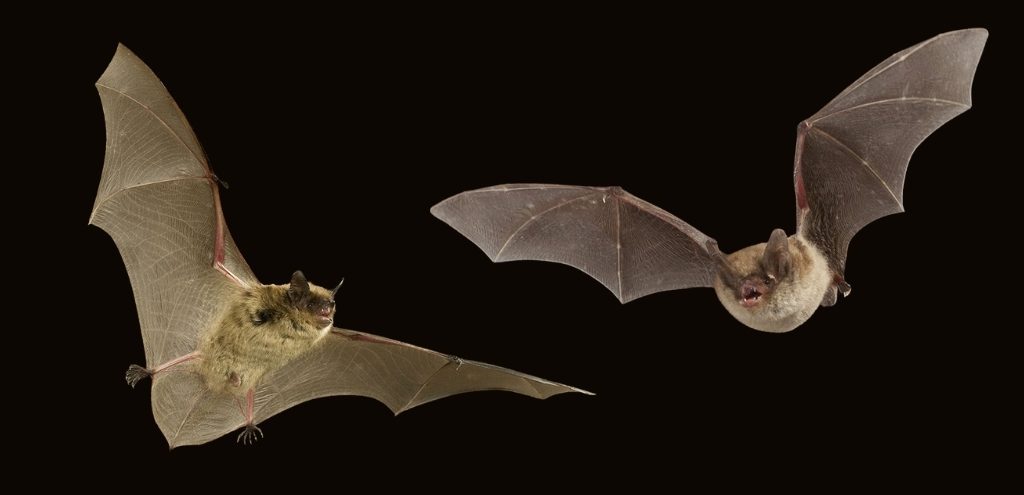
Bats also provide natural pest control for crops in home gardens and commercial farms, providing U.S. farmers with an estimated $3.7 billion or more worth of services each year. And in warmer climates, bats play a critical role in pollinating tropical plants and dispersing seeds, helping forests regenerate while naturally fertilizing soil with nutrient-rich guano.
If bat populations keep dropping, we’re not just losing our Halloween mascot—we’re losing key members of our global food webs.
JOIN THE FAN(G) CLUB: HELP THE TREES, HELP THE BATS
So, how can we create a better, battier world for these flying mammals?
Unfortunately, no widely available cure exists for white-nose syndrome, though researchers are investigating potential treatments and prevention strategies. However, we can help bats by protecting existing habitat and creating landscapes that meet their needs. Preserving mature trees, planting native trees and plants, and retaining safe snags where appropriate can help bats find the food and shelter they need to survive, especially in urban environments like DC.
DC residents: Register for a free, bat-friendly tree today! Trees take time to reach maturity, so planting sooner can help build a bat habitat for the future.
For more information and tips on how to help bats in the city, visit City Wildlife’s page. If you encounter a bat in your home or find one that appears sick or injured, reach out to City Wildlife’s emergency number at 202-882-1000.
And remember—the only thing spookier than bats is a world without them.