Have you heard the latest buzz?
Last week was National Pollinator Week, an annual celebration to honor and raise awareness about the bees, butterflies, moths, birds, and other wildlife that play a vital role in upholding our ecosystems and food webs.
However, as our landscapes become increasingly urbanized, pollinators are facing existential risks. According to recent reports, over a fifth of North American native pollinators are at an elevated risk of extinction, with 28% of native bumblebee species in decline and 19% of butterflies at risk. Birds are suffering, too: In the last 50 years, the U.S. and Canada have lost 39% of their bird populations, a drop directly tied to fewer native plants and the resulting decline in insects.
Luckily, there are ways we can help—and native plants are a key part of the solution.
While most people think of garden beds when it comes to pollinator-friendly plants, trees are an essential but often overlooked resource for these small-winged critters. When planted together, trees and native gardens can become havens of food and shelter for pollinators, providing the support they need amid ongoing food and habitat loss.
BREAKFAST OF CHAMPIONS: NECTAR & POLLEN
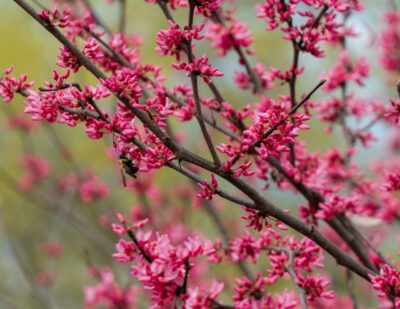
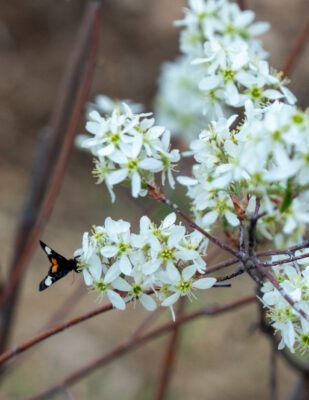
As temperatures rise in early spring and wildlife emerge from their winter slumbers, pollinators need food—and fast. Flowering trees such as red maples, eastern redbuds, and serviceberries are among the first plants to bloom, offering critical sources of nectar and pollen before most other flowers appear.
Rich in sugary carbohydrates, nectar provides adult pollinators—particularly bees—with the energy they need to fly and forage. Pollen, meanwhile, is packed with protein, fats, vitamins, and minerals that support the early stages of development for many insect species.
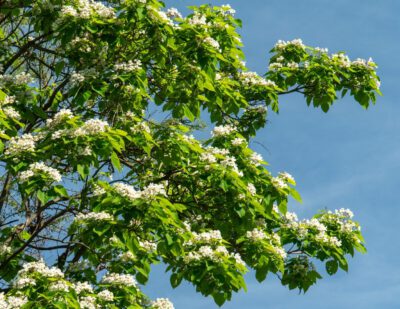
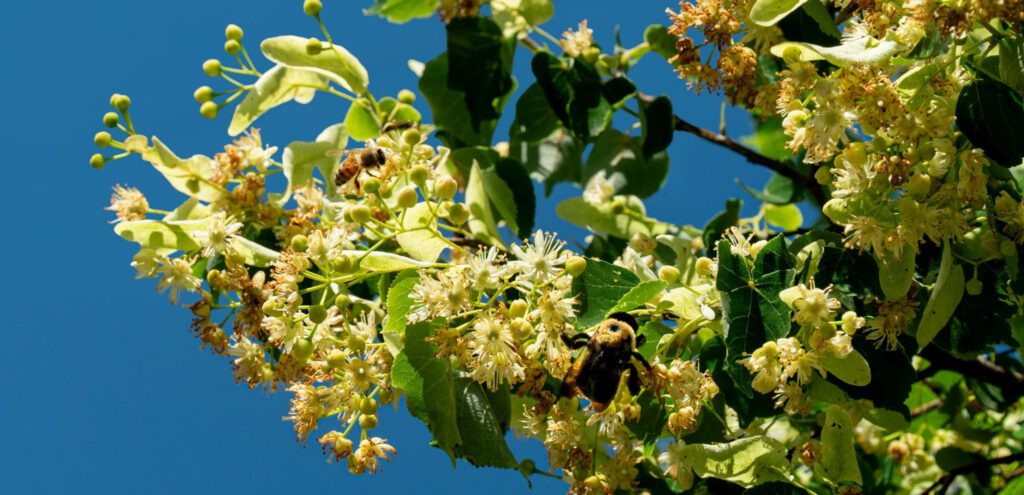
Flowering trees continue to support pollinators throughout the spring. As early blooms make way for leafy greens, native trees such as American lindens and northern catalpas flower later in the season, creating steady streams of nectar and pollen that attract flies, bees, and butterflies. And the results are sweet—try a spoonful of linden honey to see for yourself!
Even trees without showy blossoms play an important role for pollinators. Many broad-leaved trees, including birches, elms, and oaks, rely on wind pollination, or anemophily, rather than insects to spread their pollen. These anemophilous trees produce massive amounts of lightweight pollen that not only reach neighboring trees but also serve as an important protein-rich food source for pollinators in early spring.
BED & BREAKFAST: TREES AS HABITAT
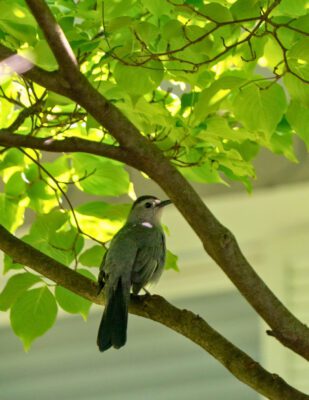
Food is only part of the story—pollinators also need safe places to nest, overwinter, and complete their life cycles. From the tops of canopies to the forest floor, trees provide ideal habitats for birds, bees, caterpillars, and other wildlife to nest, pupate, and grow.
Along with using sticks and twigs to build nests, birds such as mockingbirds and wood thrushes—DC’s state bird—use the dense cover of a tree’s lower branches to nest and protect their young. In the winter, bees of different species, ages, and ranks seek shelter by trees below ground, under leaf litter, or in snags and rotting logs.
One of the most critical arboreal-pollinator relationships is between caterpillars and keystone trees—plants that host a significant number of insect species and are essential to supporting caterpillar diversity and food web stability. Oaks, for instance, are a top keystone species, hosting more than 940 kinds of caterpillars.
After spending weeks feeding on leaves, caterpillars spin cocoons to overwinter and begin their transformation into moths and butterflies. While some species pupate on their host tree, a whopping 94% of all caterpillars leave the tree entirely, burrowing into leaf litter or soil on the forest floor below.
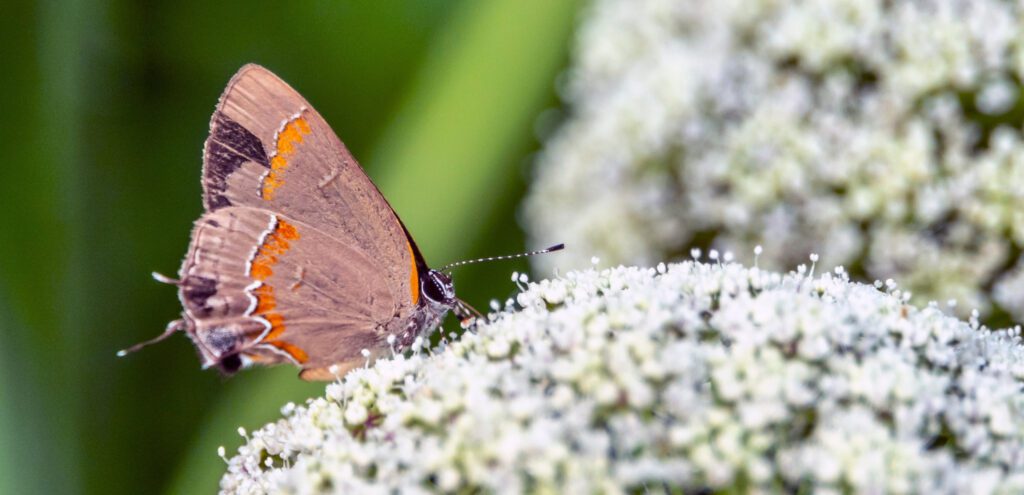
However, with the modern standard of a manicured lawn free of plant debris, these caterpillars often fall into inhospitable environments that leave them exposed to predators, lawn equipment, and harsh weather conditions.
THE POWER OF A “SOFT LANDING”
One way to help caterpillars survive is by creating a soft landing, a gardening method that aims to provide a wildlife-friendly habitat beneath trees. The practice advocates replacing the traditional lawn beneath trees with native plants, leaf litter, and tree branches, allowing caterpillars to safely complete their life cycles away from predators’ eyes and lawn mower blades.
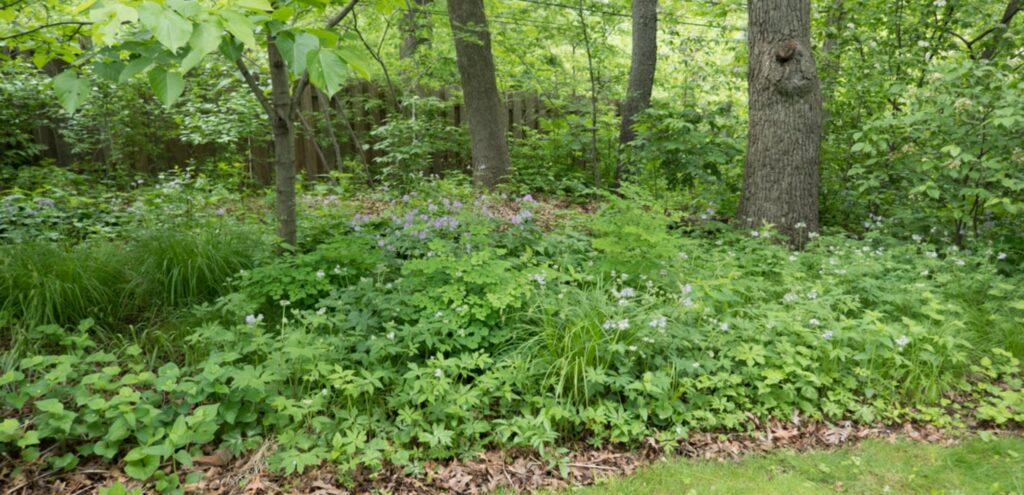
Its impact reaches other pollinators, too—beetles, bumblebees, fireflies, and more who nest in this added layer of protection. And with a flourishing insect population at the base of a tree, birds also benefit from soft landings, attracted to a supply of moths and butterflies to feed their hatchlings.
By leaving the leaves and planting natives like phlox and goldenrods beneath trees, soft landings improve soil health, protect trees’ root systems, and sequester more carbon—all while helping pollinators thrive.
PROTECTING POLLINATORS FOR THE FUTURE
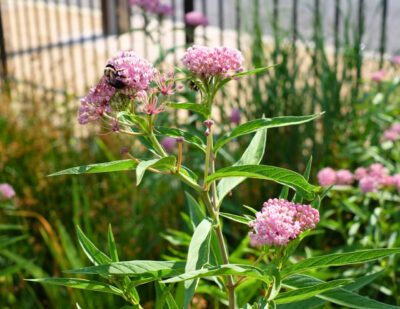
Without pollinators, our world would lose far more than color and flavor. By flitting from flower to flower and transferring pollen along the way, pollinators are responsible for more than 75% of the world’s flowering plants and over one-third of global food crops. Yet declining access to food and habitat is driving populations of birds, bees, butterflies, and other wildlife continually downward.
Simply put, we need pollinators—and they need our help.
While it may seem unlikely, urban landscapes do have the potential to be a refuge for pollinators. A diverse native garden can supplant nectar sources lost elsewhere; a single keystone tree, like an oak, can support hundreds of insect species while making the most of a smaller yard; and combining native trees and plants through soft landings can mimic the different layers of shelter pollinators would naturally find in a forest.
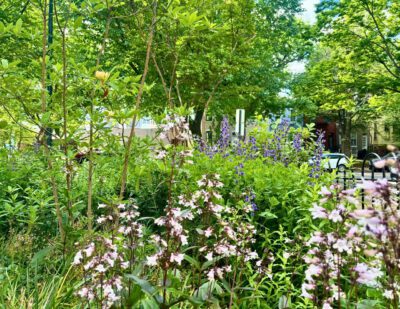
Ready to help? DC residents can apply for a free, pollinator-friendly tree. Take it a step further by adding a soft landing and following this checklist to promote pollinators in your green space—or let our team do the hard work for you and check out our gardens program today!
From the tallest trees to the tiniest bees, every part of our ecosystem helps create a healthier, more resilient DC—for pollinators, wildlife, and people alike.