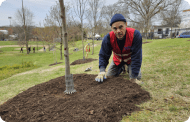
Benefits of Trees

Trees enrich our communities in so many unique ways.

Community
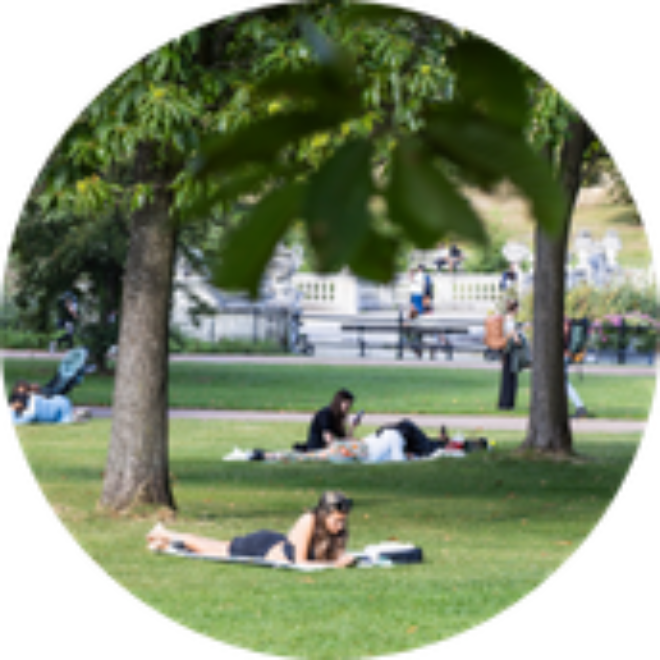
Bring People Together
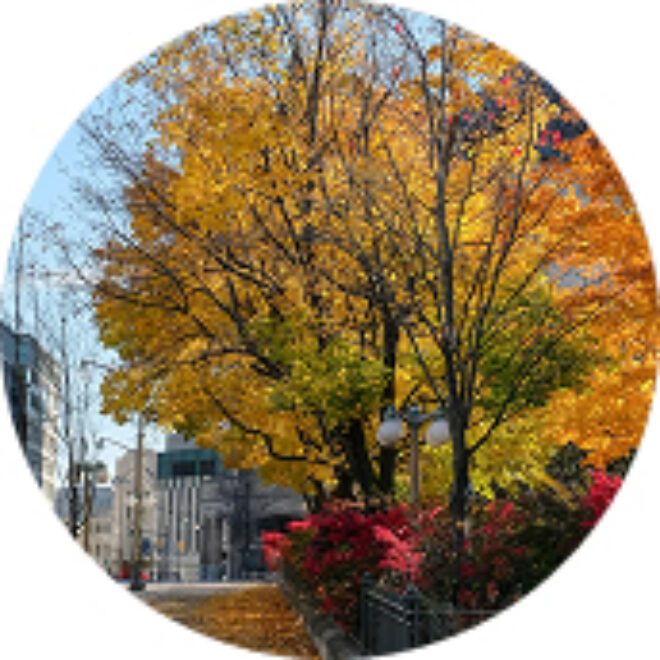
Bring People Together

Tree-shaded parks and green spaces become natural gathering places where neighbors connect and children play. Studies show that neighborhoods with more trees have less crime and stronger friendships between residents.

Provide Beauty

Provide Beauty

Trees make our neighborhoods more beautiful with their changing colors, natural shapes, blossoms, and greenery. Streets with trees feel more welcoming, build community, and bring the benefits of nearby nature.

Safer Streets

Safer Streets

Trees naturally calm traffic by creating a visual “narrowing” effect that makes drivers slow down. Tree-lined streets have fewer accidents and create a safer environment for pedestrians and cyclists.

Reduce Noise Pollution

Reduce Noise Pollution

Trees act like natural sound barriers, soaking up and blocking noise from traffic, construction, and city sounds. A thick buffer of trees and shrubs can cut noise levels in half, creating quieter, more peaceful neighborhoods.

Decrease Crime

Decrease Crime

Studies have shown that communities that have a large tree canopy percentages have lower crime rates. Neighborhoods with trees encourage neighbors to gather, walk the community, and be present with each other and in community spaces. Trees are just one aspect of a comprehensive approach to community safety.

Health

Health Savings

Annual avoided human health impacts from pollution removal. Because trees filter our air, clean our water, reduce anxiety, and so much more for our human health, they provide emense cost savings to our health care system.

Reduce Stress & Anxiety

Reduce Stress & Anxiety

Being around trees lowers your blood pressure, reduces anxiety, and improves your overall mood. Hospital patients who can see trees from their windows actually heal faster, and just a few minutes in a green space can help you feel calmer and more focused.

Reduce Asthma Rates

Reduce Asthma Rates

Trees filter out air pollution like dust, smog, and exhaust that trigger asthma attacks. Neighborhoods with more tree cover have significantly lower rates of childhood asthma and respiratory illnesses.

Lower Rates of Heart Disease

Lower Rates of Heart Disease

People who live in greener neighborhoods have been shown in urban health studies to have lower risks of heart disease and stroke. Cleaner air, cooler temperatures, and more opportunities for physical activity all contribute to healthier hearts and longer lives.

Increase Student Learning

Increase Student Learning

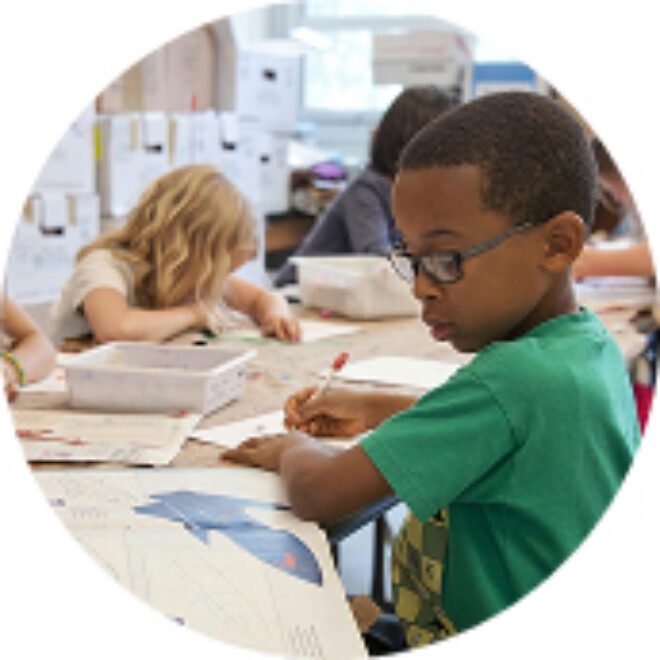
Students who learn and play near trees and natural spaces tend to concentrate better, score higher on tests, and have a greater capacity and opportunity for creativity. Green schoolyards also give kids better places to play, learn, and explore during recess and class time.

ECONOMIC

Energy Savings

Energy Savings

Annual savings in residential energy costs. Trees save city residents on ever-increasing energy costs.

Reduce Energy Costs

Reduce Energy Costs

Strategically placed trees provide shade that can reduce air conditioning costs by up to 50%. Tree cover also cools neighborhoods by lowering ambient temperatues and overall urban temperatures.

Boost Local Business and Retail

Boost Local Business and Retail

Studies of commercial districts have found that customers are willing to travel farther, stay longer, and spend more money in areas with healthy tree cover. Tree-lined streets and business corridors see a huge return on investment.

Lower Public Costs

Lower Public Costs

Trees save cities millions of dollars by doing jobs that would otherwise require expensive infrastructure. They manage stormwater (reducing the need for big drainage systems), cool neighborhoods (lowering public cooling costs), and clean air (reducing healthcare costs).

Provide Green Jobs

Provide Green Jobs

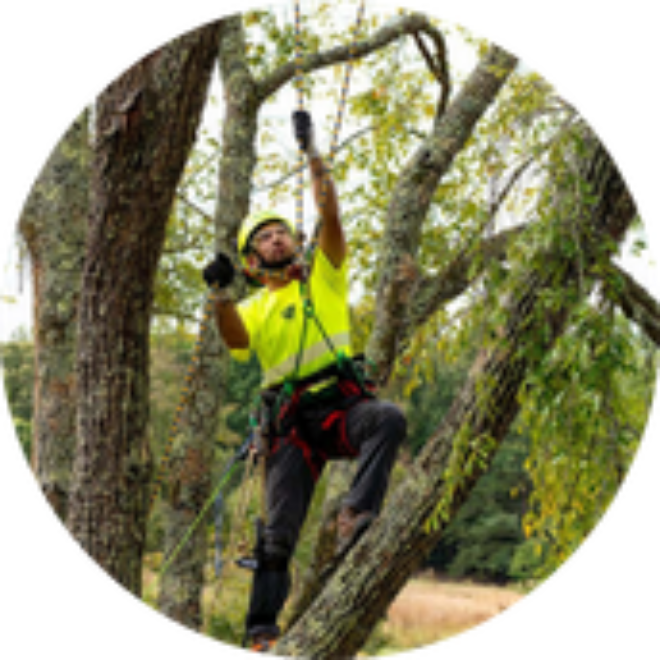
Urban forestry creates thousands of jobs: arborists who care for trees, landscapers who plant them, nursery workers who grow them, and educators who teach about them. As cities invest in trees, these career opportunities grow.

ENVIRONMENTAL

Water Pollution Reduction

Water Pollution Reduction

Surface / stormwater runoff diverted from the sewer system annually.

Air Pollution Removal

Air Pollution Removal

Atmospheric pollutants removed from the air every year.

Fight Climate Change

Fight Climate Change

Trees are powerful carbon sinks, absorbing CO2 from the atmosphere and storing it in their trunks, branches, and roots. A single mature tree can sequester approximately 48 pounds of carbon dioxide per year, helping to mitigate climate change.

Provide Fresh Air

Provide Fresh Air

Trees produce the oxygen we breathe. In fact, one large tree makes enough oxygen for two people for a whole year. At the same time, they remove harmful pollution from the air, capturing dust, smoke, and chemicals on their leaves and bark.

Clean Our Rivers

Clean Our Rivers

Trees intercept rainfall and reduce stormwater runoff that carries pollutants into our waterways. Their root systems filter contaminants and stabilize soil, preventing erosion and keeping sediment out of rivers and streams.

Make Healthy Soil

Make Healthy Soil

Trees drop leaves, twigs, and branches that decompose and turn into rich, healthy soil. Their roots break up compacted dirt, create spaces for air and water, and add nutrients back into the ground.

Support Pollinators

Support Pollinators

Flowering trees provide nectar and pollen that bees, butterflies, and other pollinators need to survive. Native tree species are especially important because they offer food and habitat that local pollinators have evolved to depend on, helping sustain biodiversity in cities.

Provide Home for Wildlife

Provide Home for Wildlife

Trees serve as essential habitat for birds, squirrels, insects, and countless other species. Native trees especially support local ecosystems by providing food sources, nesting sites, and shelter that wildlife depends on for survival.

Lower City Temperatures

Lower City Temperatures

Trees cool neighborhoods in two ways: their shade blocks the sun from heating up pavement and buildings, and they release water vapor that cools the air (like natural swamp coolers). More trees mean cooler, safer summers.

Impact

Planting new trees has changed the lives of Joyce, Kevin, and Jeria’s and their communities.

Joyce Matthews, Educator

Joyce Matthews, Educator

When her school lost its beautiful oak trees during renovation, Joyce partnered with Casey Trees to bring over 50 trees back to campus. Now students, parents, and teachers work together planting and caring for trees, building a stronger sense of community. “Our students didn’t watch someone plant trees, they were [the ones] planting trees, representing the school,” explained Joyce. “We wanted to build that sense of community in that they had a stake in the transformation of this property.”

Kevin Kelso, Volunteer & Citizen Forester

Kevin Kelso, Volunteer & Citizen Forester

Haunted by childhood memories of DC losing its canopy of American elm trees to Dutch elm disease, Kevin was inspired to become a Casey Trees volunteer when he saw the city’s tree loss documented in The Washington Post. He’s been protecting our city’s super heroes since 2007. “The effects of seeing all those trees disappear had a dramatic effect on me as a child,” Kevin recalled. “When I saw the article showing the loss of Washington’s canopy over the years, it struck a nerve.”

Jeria Carter, Literary Media Specialist

Jeria Carter, Literary Media Specialist

Seeing potential in an unused courtyard filled with trash and tools at Anacostia High School, Jeria led a mission to create a therapeutic green space for students. By bringing plants, trees, and art to campus, she’s showing students the healing power of caring for something beyond themselves. “These kids have really been traumatized,” described Jeria. “And it’s very therapeutic to tend to something. There’s something rewarding to see something that you planted, actually grow.”

The State of DC’s Urban Forest

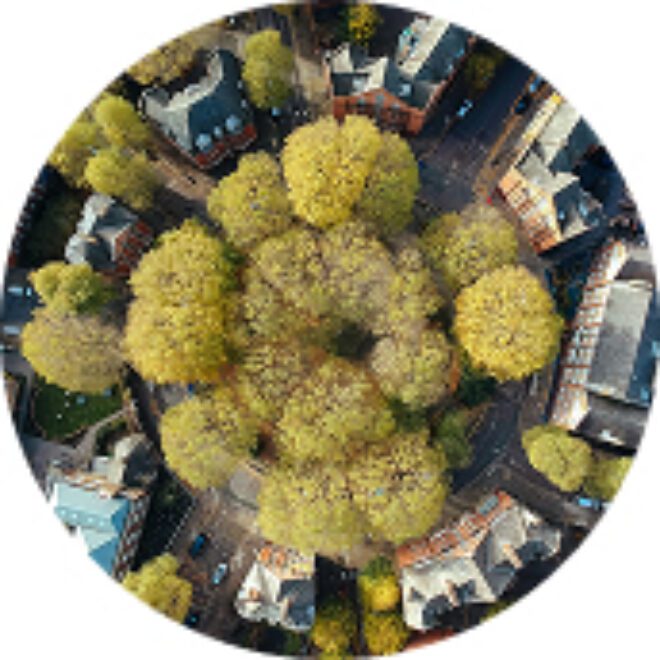
Every year, we conduct an annual evaluation of the city’s tree canopy. Tree canopy—or tree coverage—refers to the part of a city that is shaded by trees. Imagine for a moment that you’re in a plane flying over Washington, DC, looking down over the city. The trees covering the land below is our tree canopy.

We measure the city’s tree canopy based on four metrics:
Tree Coverage
Tree Health
Tree Protection
Tree Planting

How We Can Improve DC’s Urban Forest

DC boasts a robust urban forest, but there’s room to grow. Our Tree Report Card offers a roadmap to a greener, healthier city by increasing and protecting our tree canopy.

Lower the circumference limit for Special Trees.

To safeguard more of our city’s vital tree canopy, we propose lowering the Special Tree protection threshold from 44 inches to 25 inches in circumference. Despite DC’s strong regulations, the city continues to lose trees. This change will shield more trees from removal and help preserve our urban forest.

Increase fees and fines for the removal of Special and Heritage Trees to reflect current inflation rates.

This overdue adjustment is critical to preventing the loss of thousands of irreplaceable trees.

Ensure all fees and fines are deposited to the Tree Fund.

Fines collected through the Office of Administrative Hearings have been misdirected to the City’s General Fund. Casey Trees testified to the Office of Chief Financial Officer regarding the misdirection at Performance Oversight hearings and asks OCFO to prioritize getting this process rectified.

Support the Office of Natural Areas Conservation Legislation Act.

This legislation would better protect and support management of our city forest patches and natural areas. It is currently under consideration by the DC Council.

Protect environmentally sensitive open spaces and forests from development.

By partnering with agencies and landowners to conserve greenspace through easements, we can enhance climate resilience and community access.

Set tree canopy goals for all schools.

Our Tree Report Card reveals a stark contrast between the city’s public schools average 13% tree canopy and the overall 40% target. Green learning environments inspire a new generation of environmentally conscious citizens.

Fully fund environmental education programs in schools.

Essential programs like Nature Near Schools and Meaningful Watershed Educational Experience face devastating budget cuts. We urge the DC Council to fully find these vital initiatives.

To learn more about our recommendations, read the full 2023 Tree Report Card here.