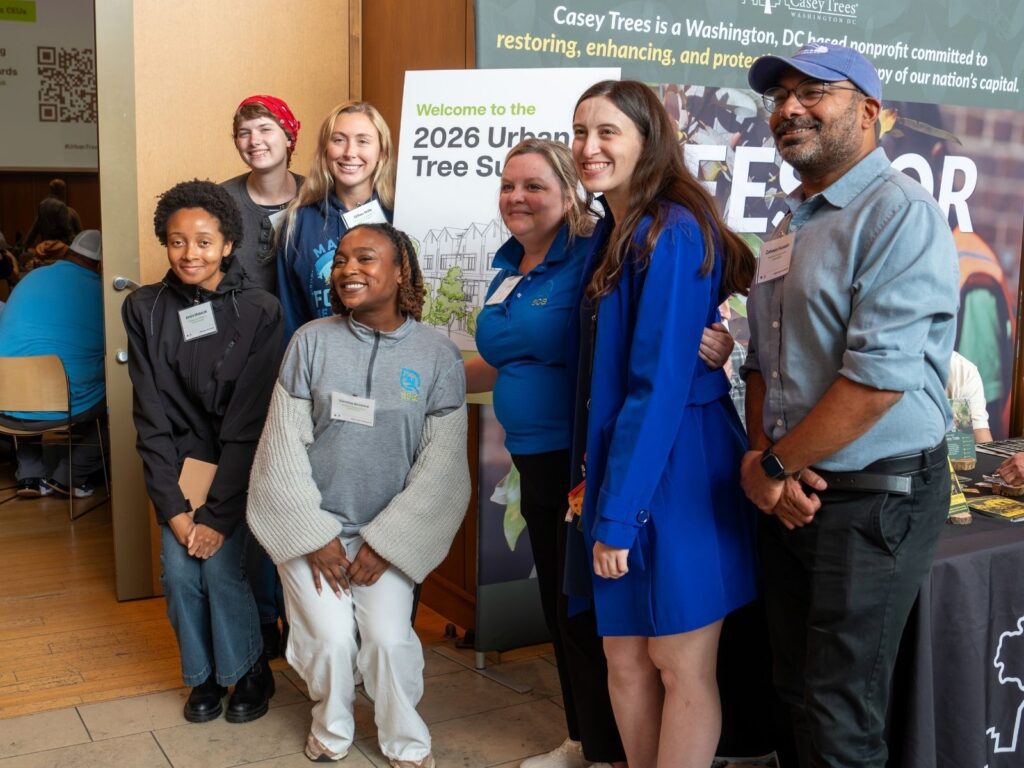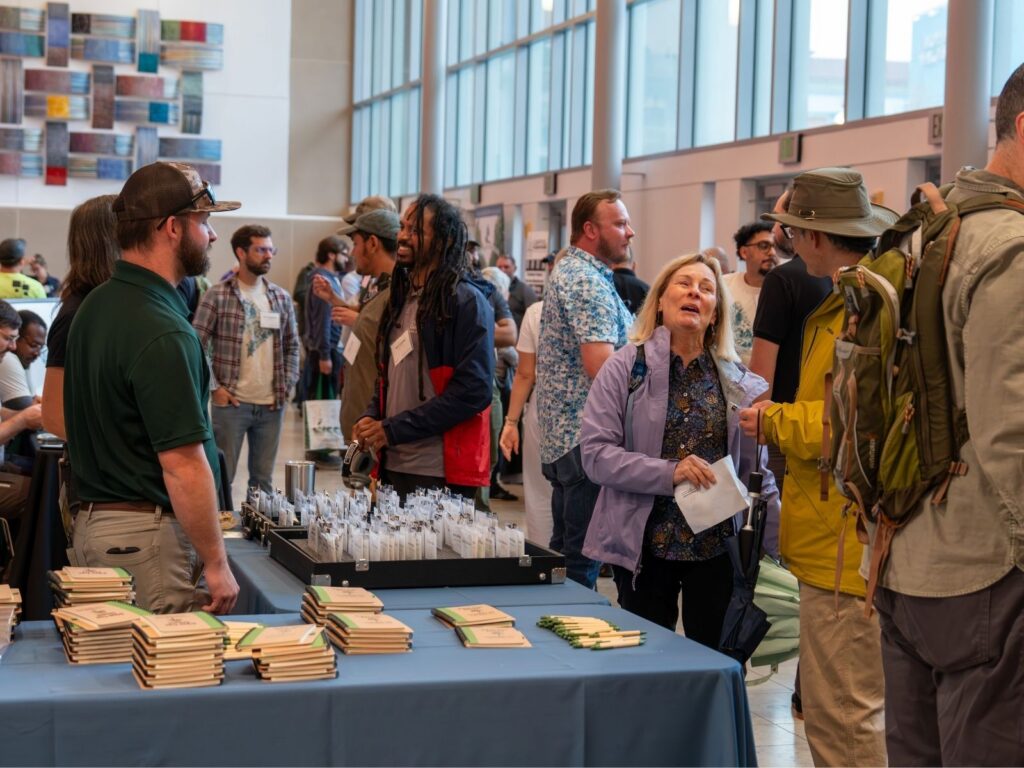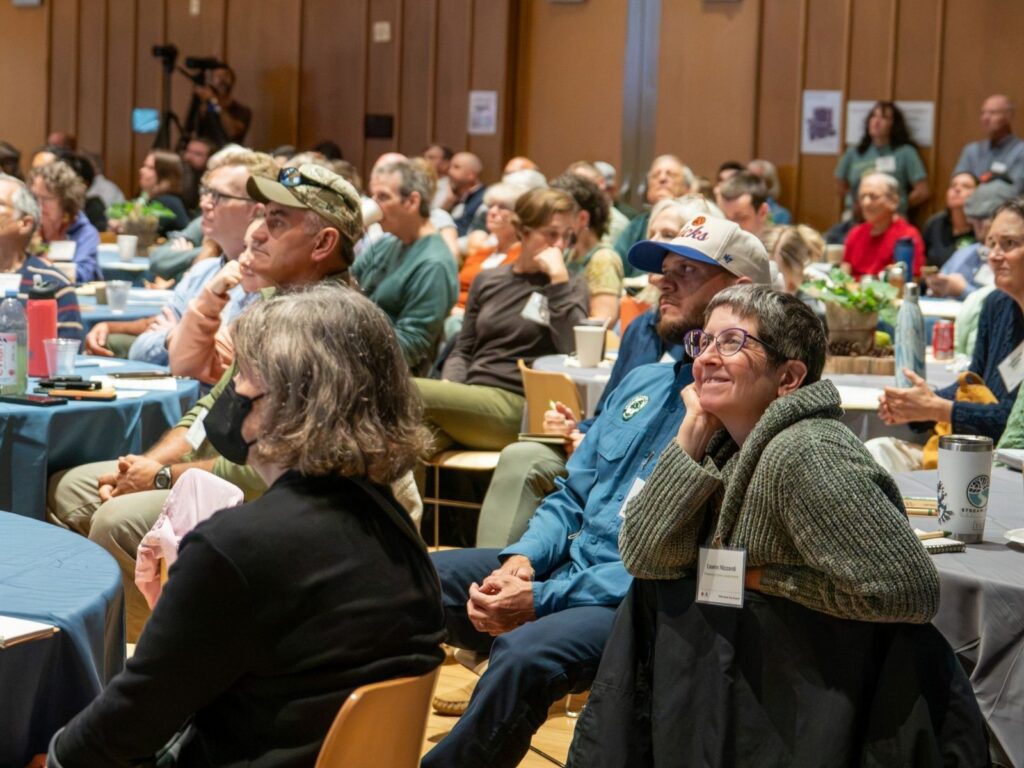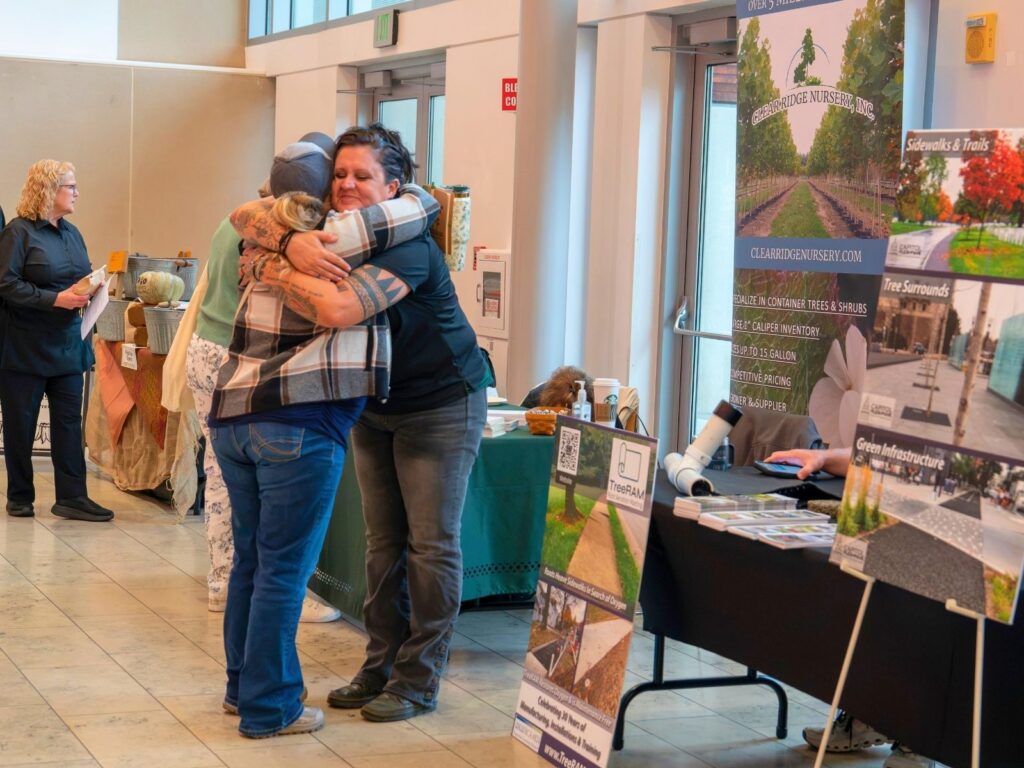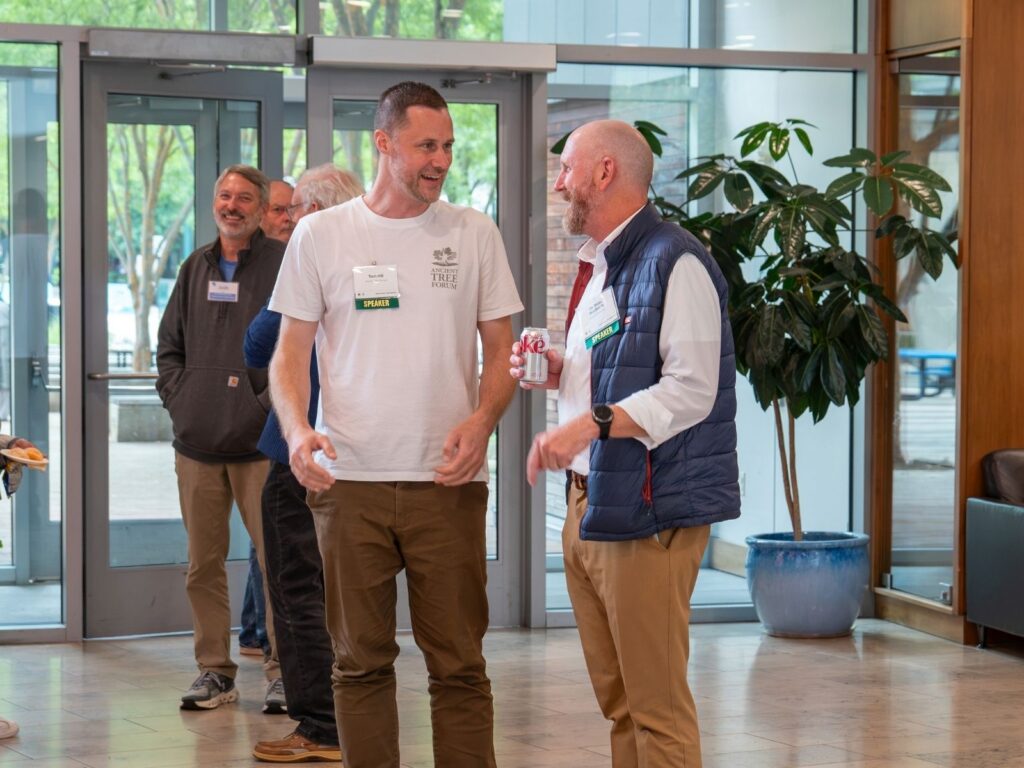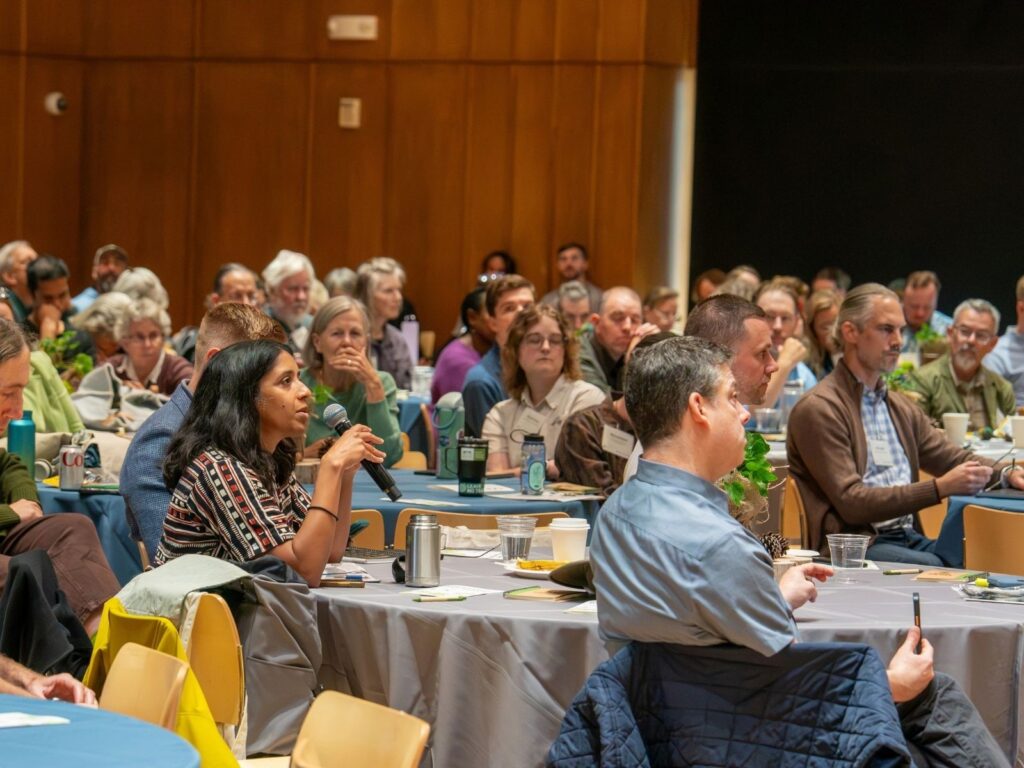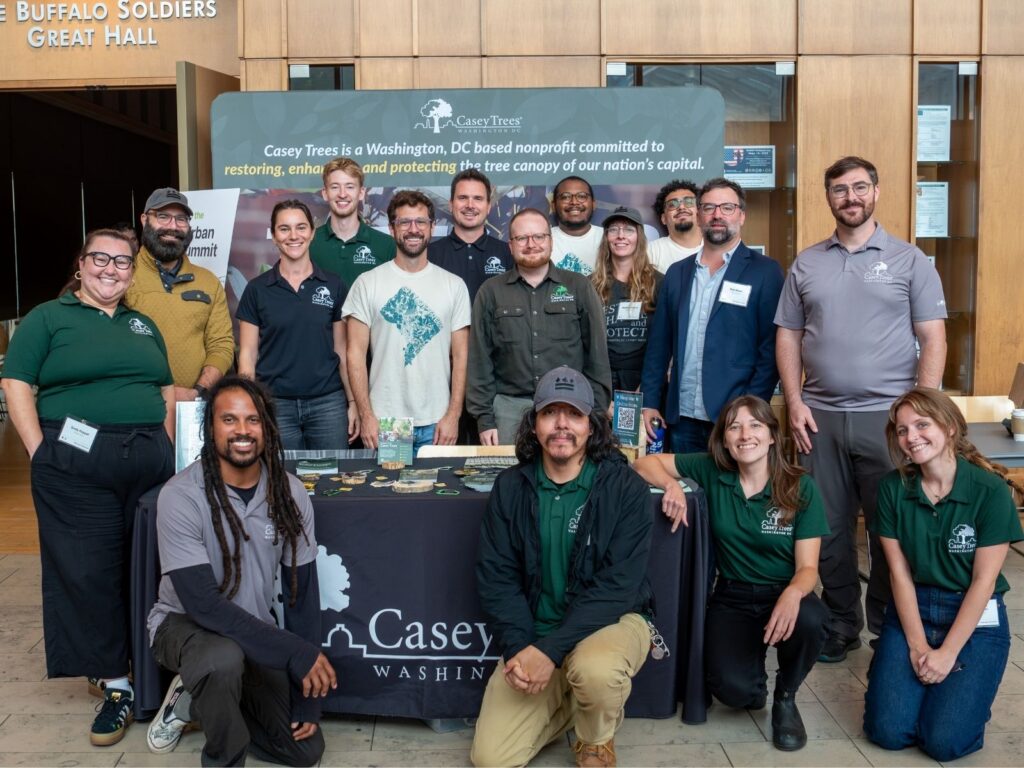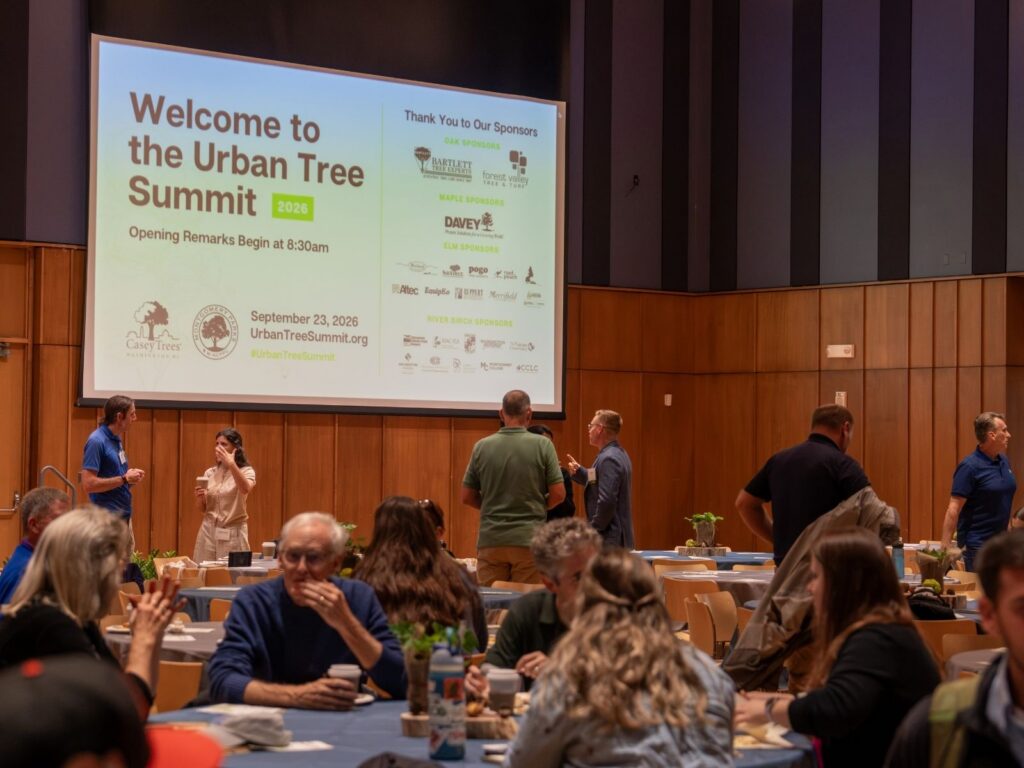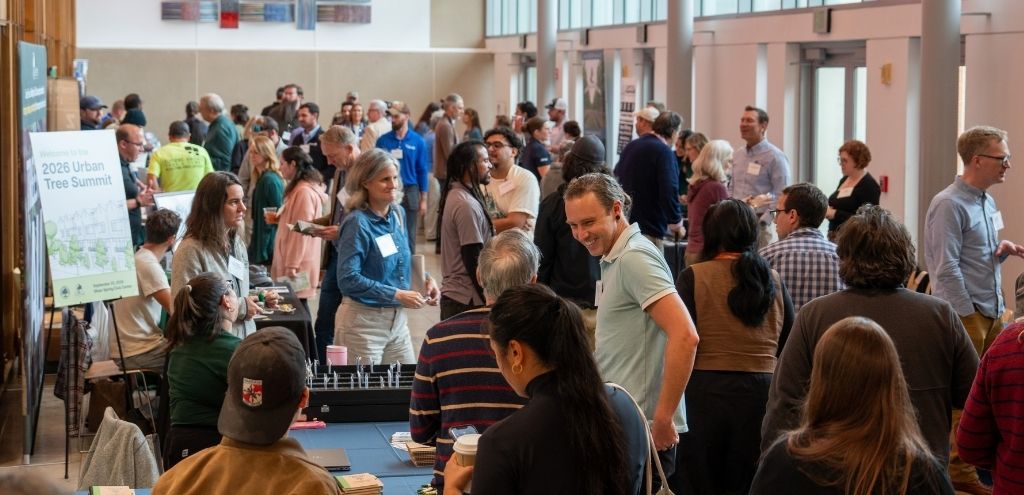
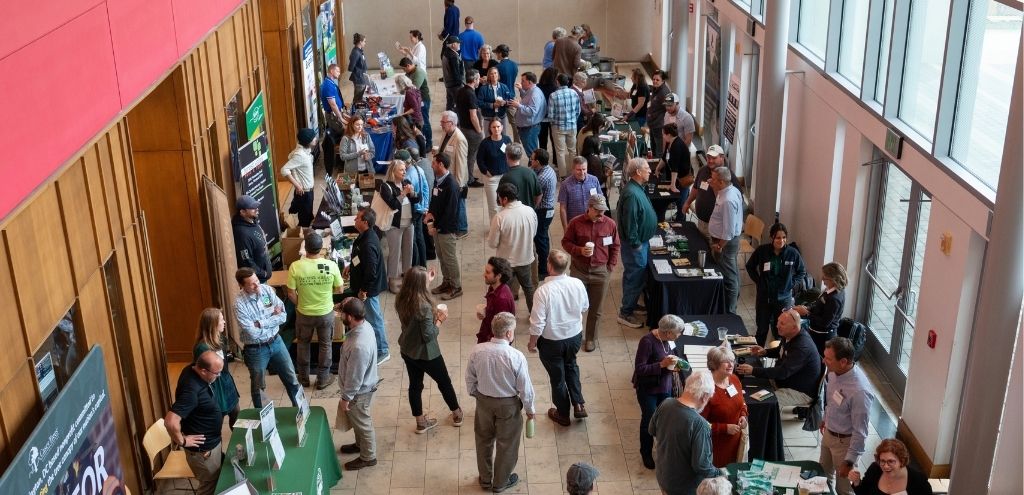
Last week, our 2026 Urban Tree Summit brought together arborists, advocates, educators, researchers, nonprofit professionals, public-sector leaders, and community members to explore the future of urban forestry.
Throughout the day, attendees considered the many forces shaping our work: climate change, public health, technology, public perceptions of risk, equity and access, and the need for stronger partnerships across sectors. Hosted by Montgomery Parks and Casey Trees at the Silver Spring Civic Center, the Summit created space to learn from one another, share practical approaches, and reaffirm our common goals: building greener, healthier, and more resilient communities.
Maryland’s Growing Urban-Forestry Mandate
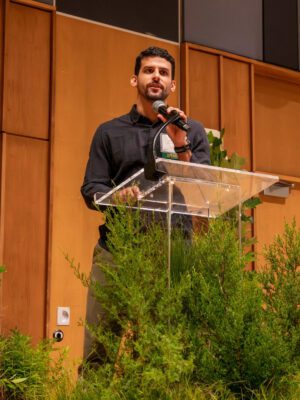
J.T. Bowers, Deputy Director of the Maryland Forest Service, opened the program with a look at the agency’s history and its evolving role in communities across the state. He traced the Maryland Forest Service’s work from its early focus on protecting and managing forest resources to its expanding role today as a partner to communities addressing the needs of trees in both rural and urban places.
Bowers also highlighted how urban forestry has become an increasingly important part of that work. As Maryland communities confront climate change, public-health disparities, development pressures, and unequal access to tree canopy, the Forest Service is helping support local capacity, technical assistance, and partnerships that can bring the benefits of trees to more people. The session made clear that the future of forestry depends not only on protecting forests, but on working alongside communities to grow and care for healthy urban forests.
Technology as a Tool
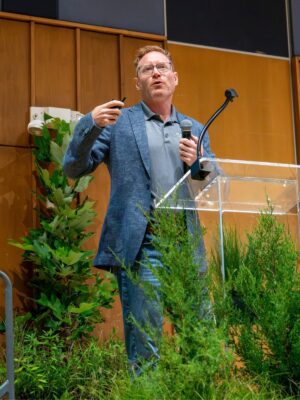
In Beyond the Clipboard: Empowering Arborists with AI and LiDAR Integration, PlanIT Geo Founder and Chief Innovation Officer Ian Hanou examined how mapping tools, LiDAR, 360-degree imagery, and artificial intelligence are changing urban-forest inventories.
The session addressed both the potential and the limitations of these tools. Technology can help capture data such as tree location, diameter, height, and crown spread more efficiently, but it cannot replace professional judgment. Instead, it can help arborists focus their expertise on the nuanced work of diagnosing tree health, assessing risk, and advising communities on urban-forest management.
Hanou also looked ahead to a future in which communities integrate this data collection into routine field operations rather than relying on occasional, stand-alone inventories. The same LiDAR and imagery that support tree management could also inform transportation, public works, and planning efforts, such as documenting road and sidewalk conditions. Moreover, sharing collection costs and data across departments could help local governments invest more efficiently, keep information up-to-date, and build a fuller, more robust picture of the public spaces they manage.
Learning From Ancient Trees
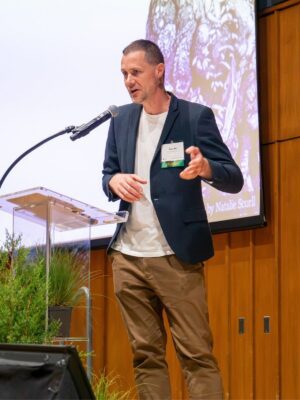
Tom Hill, Woodland Advisor with the National Trust in the United Kingdom and trustee of the Ancient Tree Forum, encouraged attendees to rethink how we see and care for our oldest trees.
His presentation examined what ancient and veteran trees look like, what they need, and what they continue to give back. These trees may not always fit conventional expectations of health or beauty: they can be hollow, decaying, misshapen, or reduced in size. Yet those same characteristics can make them especially valuable, providing habitat for countless species and serving as living connections to the history, culture, and spirit of the places around them.
Hill invited the audience to think in “tree time”—planning and living in centuries rather than decades. His message was a compelling call for patient, long-term stewardship that recognizes older trees not as problems to be managed away, but as irreplaceable ecological and cultural assets.
Communicating About Risk and Resilience
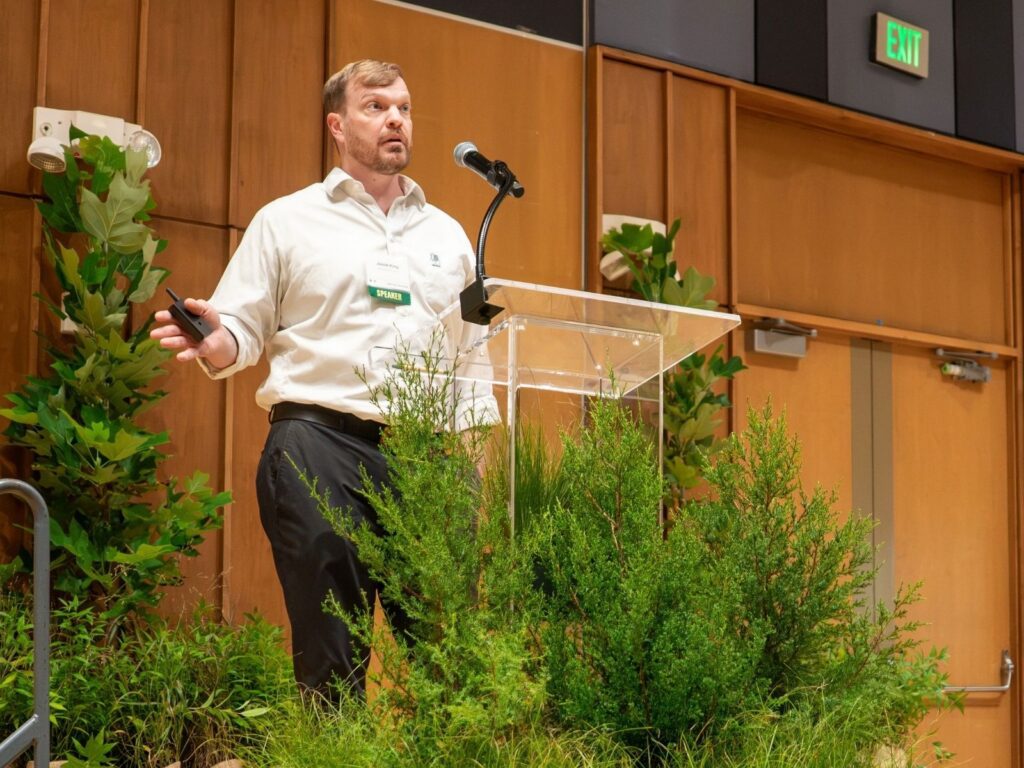
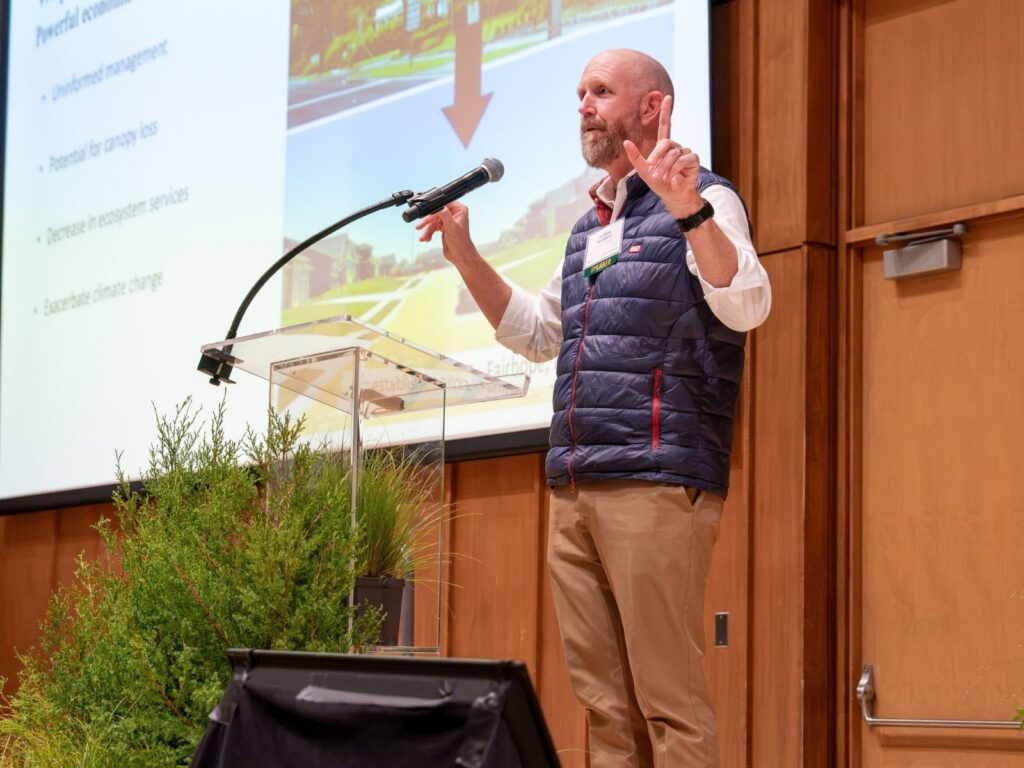
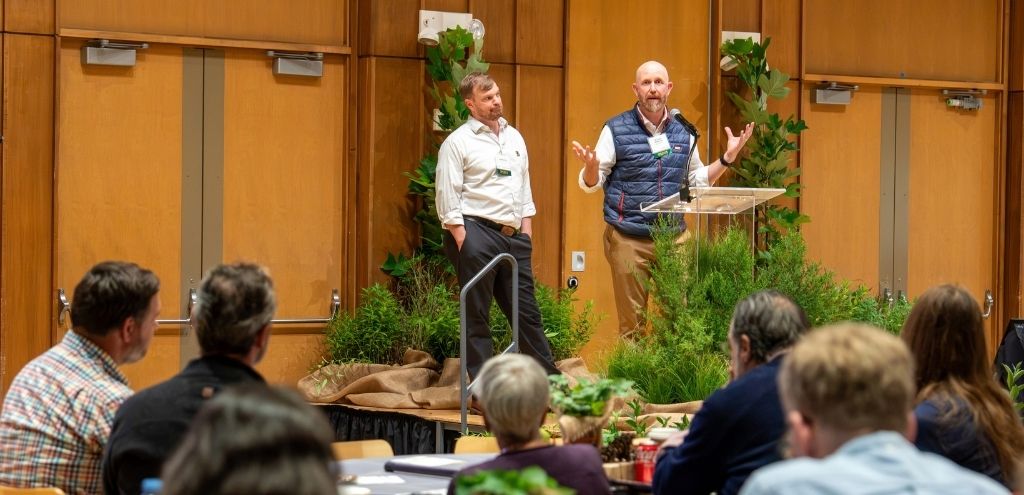
In Storm Damage and Other Disservices: How They Influence Our Clients and Communities, Jamie King of American Forests and Dr. Beau Brodbeck of Auburn University explored the complicated relationship communities can have with trees after severe storms.
Their session considered ways to help communities recover, replant, and build resilience following storm damage. Just as importantly, it acknowledged the real trauma and fear that storms can leave behind—particularly for people who have experienced damage to their homes, property, or neighborhoods and may view nearby trees as a future threat.
King and Brodbeck emphasized the importance of stronger partnerships and clearer communication. Urban-forestry professionals can help communities understand both the benefits trees provide and the importance of proper tree care, proactive maintenance, and informed landscape decisions. By meeting people where they are, listening to their concerns, and communicating honestly about risk, practitioners can help communities make decisions that protect people while sustaining the many benefits of a healthy tree canopy.
Greener Schoolyards, Healthier Communities
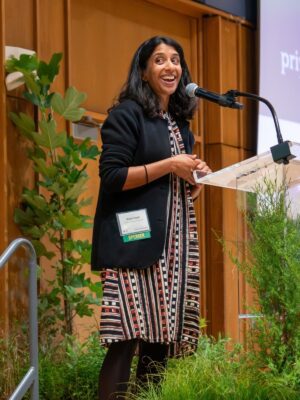
Priya Cook, Chief Program Officer of Green Schoolyards and Communities at the Children & Nature Network, focused on the changing role of playgrounds and schoolyards in the lives of students and neighborhoods.
Her presentation explored the growing recognition that nature-rich school grounds can support children’s health, learning, well-being, and connection to the natural world. More schools and communities are turning to trees, gardens, shade, and green spaces to create places where students can play, learn, explore, and recover from the stresses of the school day.
Cook also highlighted the opportunity these changes create for urban forestry. Greener schoolyards can expand tree canopy, provide environmental benefits to surrounding neighborhoods, and help ensure more young people have meaningful, everyday access to nature.
Prescribing Time in Nature
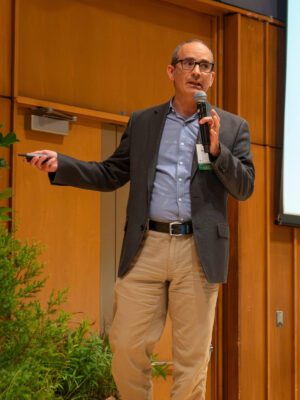
From schoolyards to healthcare settings, the afternoon sessions also explored the ways trees and access to nature can support individual and community well-being.
Dr. Robert Zarr, founder and CEO of Park Rx America, examined the growing role of parks, trees, and green spaces in public health. Drawing on more than 15 years of work advancing the Park Rx model, Dr. Zarr discussed how healthcare providers can prescribe time in nature as part of patient care.
The session connected people’s health to the health of urban forests, emphasizing the potential of cross-sector partnerships among healthcare providers, arborists, community organizations, and nature-therapy practitioners. Access to trees and green space is not simply an amenity—it is an essential part of community well-being.
Looking Ahead
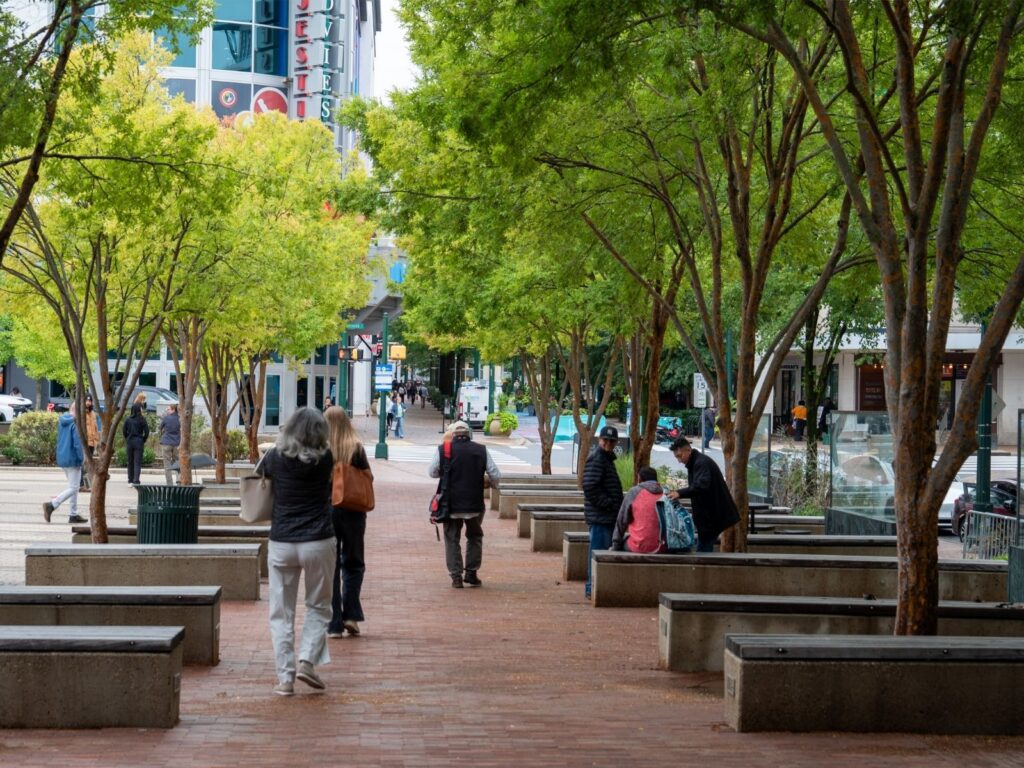
This year’s Urban Tree Summit reinforced that the future of urban forestry will be shaped by collaboration. From statewide programs and community partnerships to tree care, green schoolyards, public health, and emerging technology, every session pointed toward the same essential truth: trees are part of the infrastructure that helps communities thrive. Thank you to our speakers, sponsors, exhibitors, volunteers, partners, and everyone who joined us for a day brimming with learning and connection. We look forward to continuing our work, together.