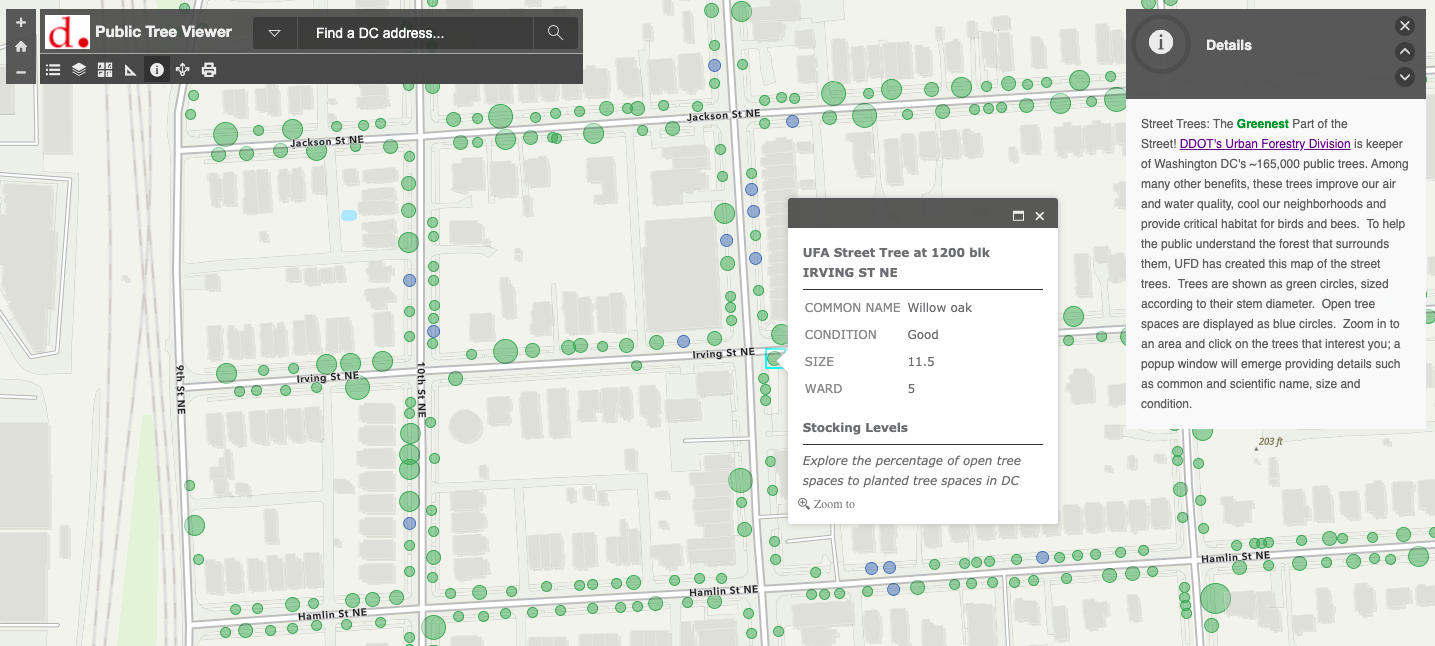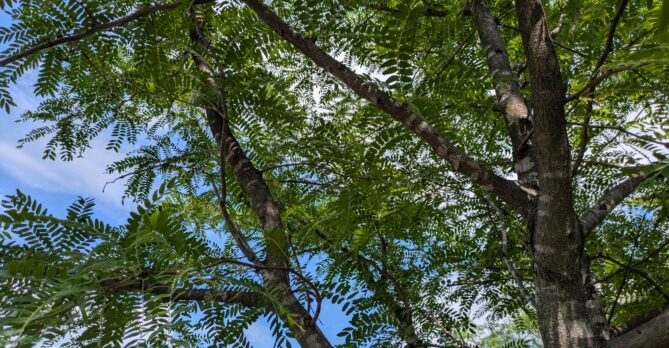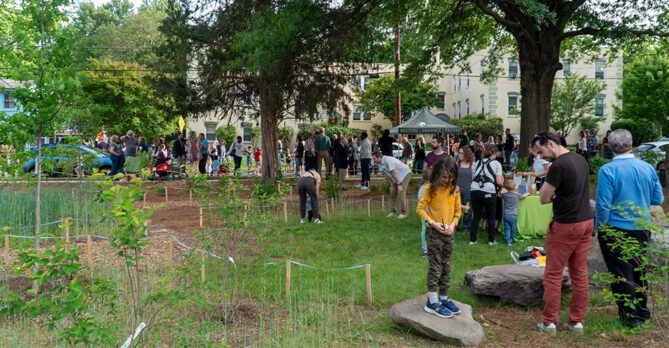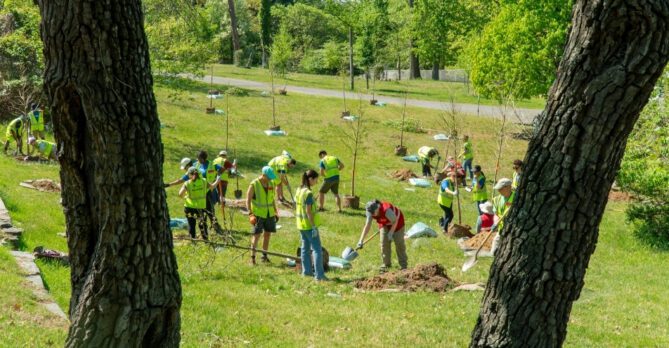
Is there anything more satisfying than a before and after? In our ever-changing built environment, the year-over-year progress or changes are often stark. With urban populations surpassing 50% worldwide proper city planning, specifically enhancing green space, should be a priority. The best before and after is one that happens right in front of your eyes. Using the street tree map (did you know it shows you the species, age, and health of street trees!) that our partner in crime the Urban Forestry Division (UFD) of DDOT updates, here are some memorable street tree before and afters:
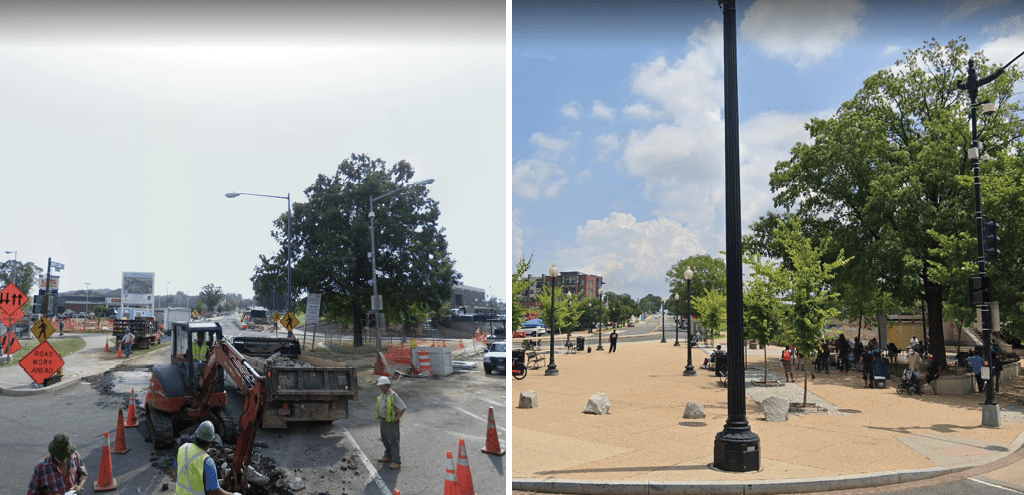
Ten years ago, this block of Maryland Avenue NE paved the way (literally) for a new pedestrian plaza! Located on the eastern end of the bustling and busy H Street corridor, this mall is strategically located at the intersections of five heavily traveled traffic corridors -Benning Rd NE, H Street NE, Bladensburg Rd NE, 17th St NE, and Maryland Ave NE. The sturdy willow oak can be seen in the before and the after, but we’re excited to see the addition of almost a dozen elm trees dotting the plaza.
We love to see a built environment for the better! While attractive annuals are eye-catching (for part of the year anyway), they offer little in terms of stormwater mitigation, climate solutions, or pollution reduction. Removing concrete and creating a large, extended rain garden in the midst of downtown DC? Now we’re talking! These river birches look far happier in their new raingarden environment, instead of stuffed in a treebox.
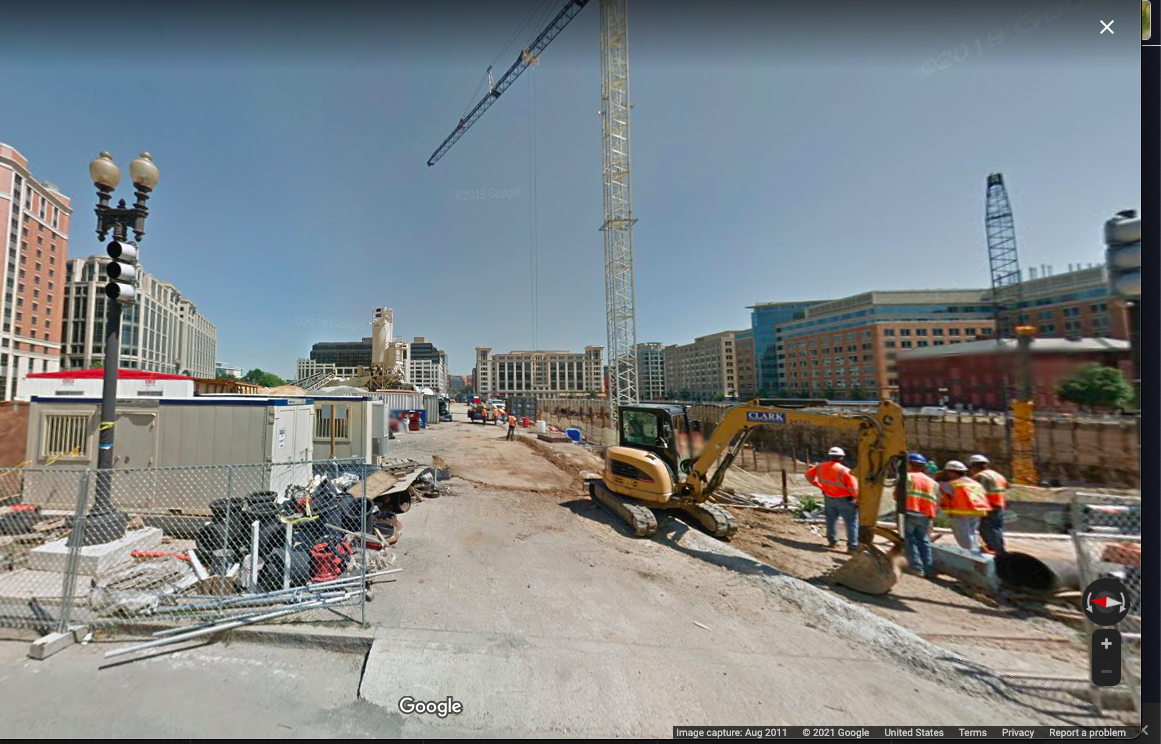
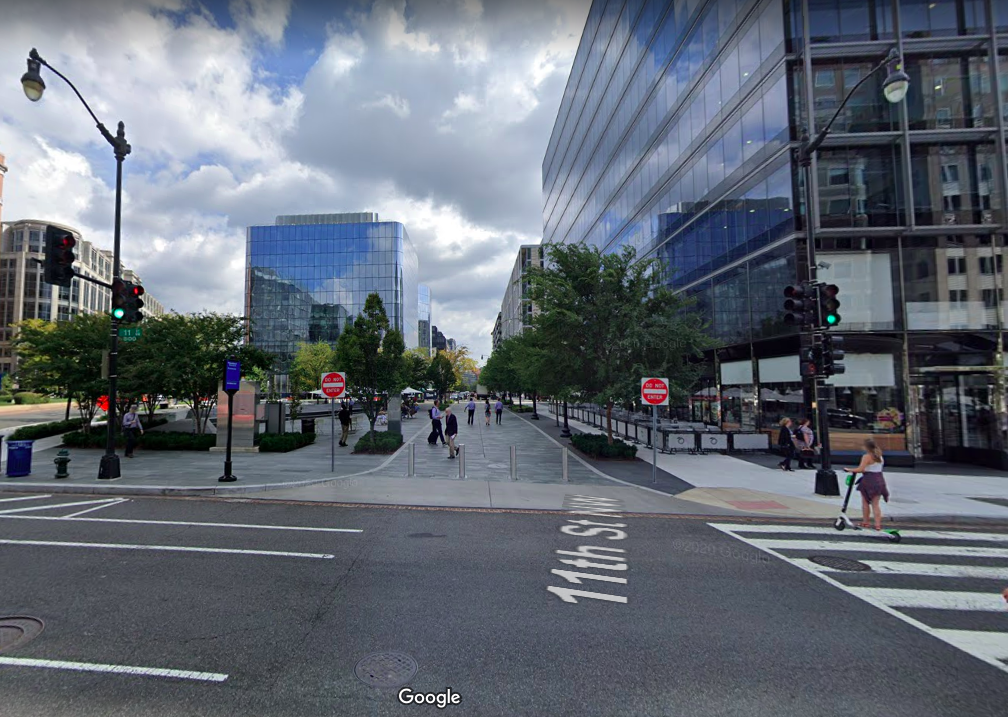
[City Center before and after with the caption “Left photo is from Google Maps in 2011. Right photo is Google Maps from 2018.”)
What a difference seven years makes. Big buildings mean more people that need and deserve more urban amenities, like trees and parks! Another example of space created for street trees amidst the downtown core. We love the addition of rows of Chinese Elms to bring shade and visual interest to the new courtyard of City Center.
Do you have any neighborhood before and afters? Lookup street tree species and health using DDOT’s map!