Photo credit: Angela N. via Flickr
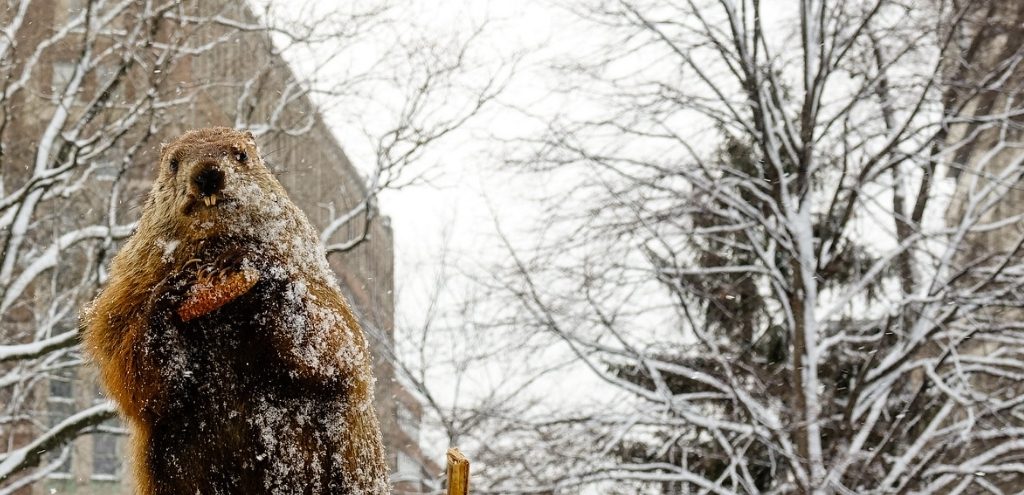
February 2 is Groundhog Day, when millions of people across the country look to the humble marmot to predict an early spring or six more weeks of dreaded winter. But what if we looked to the trees instead?
Move aside, Punxsutawney—or Potomac—Phil! Here at Casey Trees, we’re consulting the trees to help with our phenological predictions. Sure, we may not have top hats, but we have hundreds of years of folklore to help with our winter forecasting.
Read on to learn all about these arboreal weather predictors and to see if they’re backed by any science. Of course, please take these folklore forecasters with no more than a mugful of salt.
Persimmon Seeds
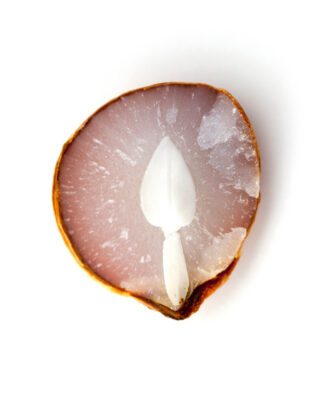
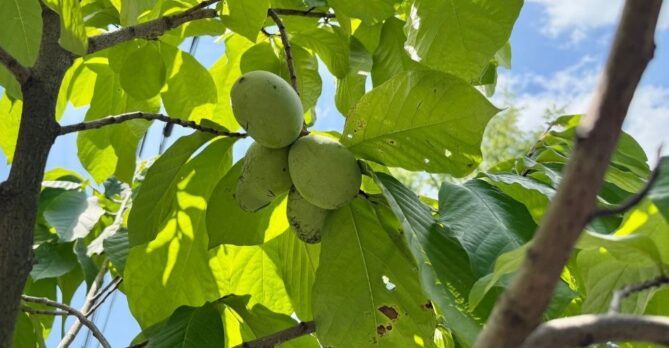
The American persimmon—Diospyros virginiana—can be found across the eastern and midwestern States, where its fruit has been cherished by humans and animals alike for hundreds of years. While its orange exterior is typically the star of the show, the secret to weather forecasting lies deep within the fruit’s seeds.
According to North American folklore, if you cut through a persimmon seed, the pattern found inside can predict the upcoming winter weather. A knife pattern indicates a cold, icy winter with cutting wind; a fork pattern suggests a mild winter with good eating; and a spoon pattern suggests a winter filled with snow to shovel.
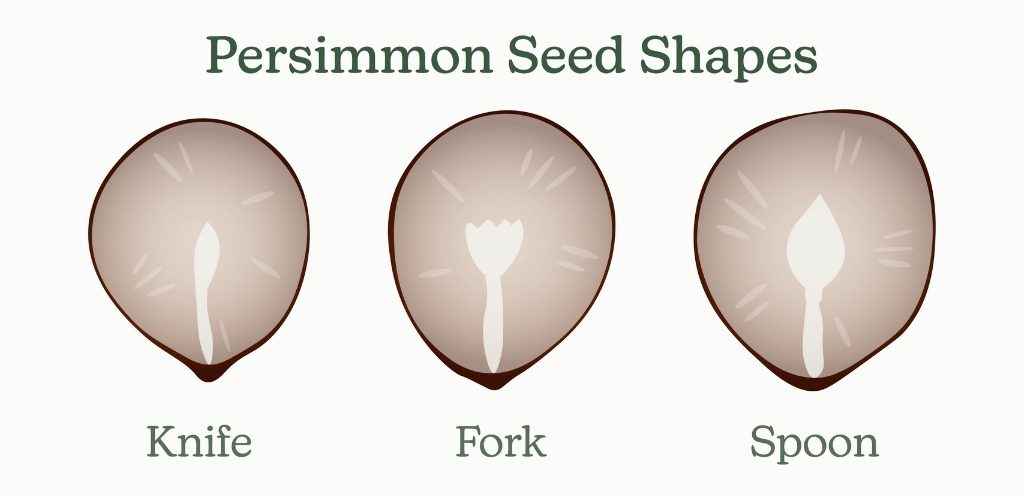
And for those that can do without clairvoyant trees, it’s likely that the shape found inside persimmon seeds goes back to the early stages of the fruit formation, and what the condition or stress of the tree was at that time.
Could persimmon seeds have predicted last week’s snowmageddon? According to Farmer’s Almanac and The Persimmon Lady, the seeds for the 2025-26 winter began with a row of forks, forecasting a mild start to the season. This was then followed by a seesaw between forks and spoons, indicating copious amounts of snowfall with bits of respite in between. So … maybe?
Osage Oranges & Hedge Apples
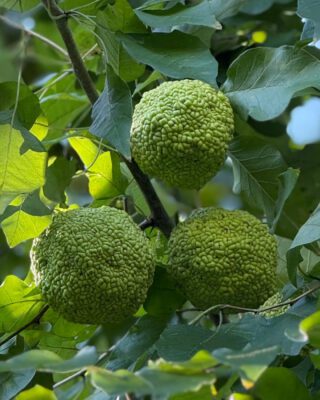
The Osage orange—Maclura pomifera—is a distinctive tree known for its gnarled, orange-tinged bark and softball-sized fruit. According to local legend, this yellow-green fruit—commonly referred to as hedge apples—can help us prophesize upcoming winter conditions.
Osage oranges that drop their fruits later in the season than normal signify a cold, snowy winter ahead. Moreover, if there is an abundant number of hedge apples, folks should expect harsh winter conditions to come. Lastly, larger-than-normal hedge apples indicate colder temperatures, while small fruits point to a milder winter.
Sure, it’s likely that these hedge apple characteristics are determined by several genetic and environmental factors, including the type of cultivar, soil conditions, and resource availability. But where’s the fun in that?
Acorns & Walnuts-A-Plenty
Have you ever noticed that sometimes, there are a lot more acorns than normal?
This is called a mast year: a strange phenomenon where oaks and other nut-producing trees drop an abundant number of nuts in a single year. Happening irregularly, mast years themselves are hard to predict—but they may lend a hand in predicting our winters. Well, at least according to regional folklore.
Like hedge apples, a heavy fall of acorns means that a frigid winter is on the way; the same goes for a large crop of walnuts. And it goes beyond the number of nuts on the ground—thick nutshells forecast a severe winter, while thin shells indicate warmer temperatures ahead.
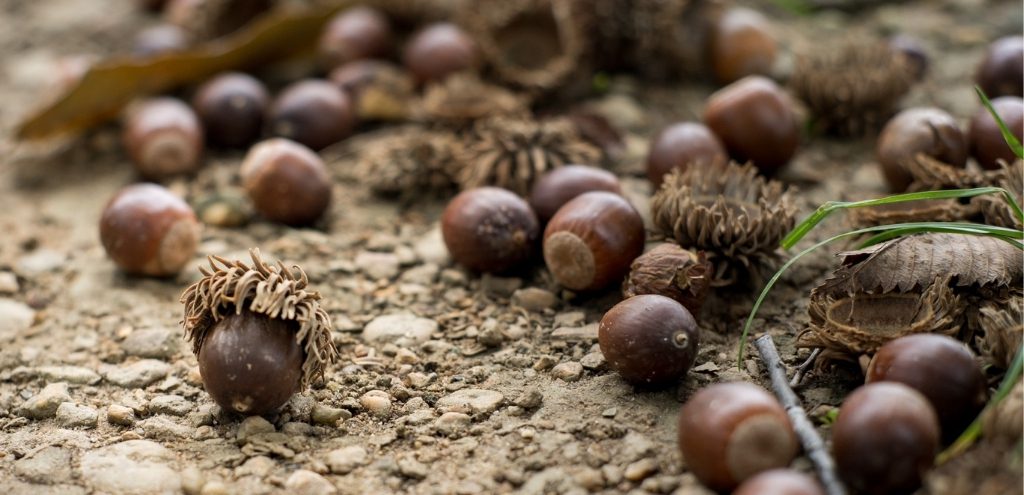
For those seeking more scientific answers, it’s likely that mast years speak more to past weather rather than predicting future conditions. Hardwood trees, such as oaks and walnuts, pollinate well with a dry spring season, contributing to a larger crop of nuts the following fall. And because nut production requires energy and nutrients from trees, the irregular cycle of mast years is likely due to trees needing recovery time after a high-yielding year.
Still, the next time there’s a mast year, make sure you have your shovels ready—either for snow or nuts.
Whatever You Believe, Look to the Trees
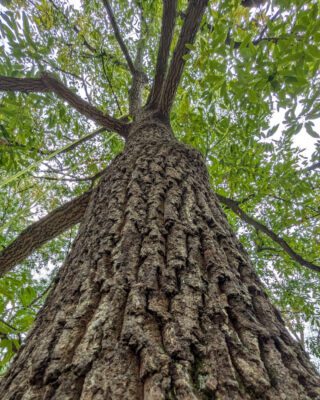
Whether you’re looking for whimsical winter predictions or interesting scientific phenomena, a lot of wonders can be found within the fabric of trees.
Even if persimmon seeds and hedge apples can’t match the weather-predicting prowess of a Doppler radar, we can trust that trees are cornerstones of our communities and ecosystems. From providing habitats to wildlife to cleaning our air and waterways, there are countless ways in which trees help us through the winter and all year long—even if their forecasting skills can use a little work.
Interested in adding your own weather predictor to your yard? Persimmon, Osage orange, oak, and black walnut trees are all eligible for rebates through our tree rebate program! Plant any of these trees—and never check the weather app again.