As we shift into the winter season, you may notice how many of our city’s trees have dropped their painted autumn leaves to rest and lie dormant during the months ahead. Standing out from the barren brown trunks and branches, some trees keep their leafy greens all year round. Evergreen trees serve as a beacon of greenery during the colder, grayer winter months.
We’re here to shout out some of the amazing, native evergreen trees that will keep your yard looking bright and lively even through our coldest months. Brighten your view, yard, and mood with these trees that bring some much-needed winter interest to your property. Better yet? They are all eligible for our free residential planting program!
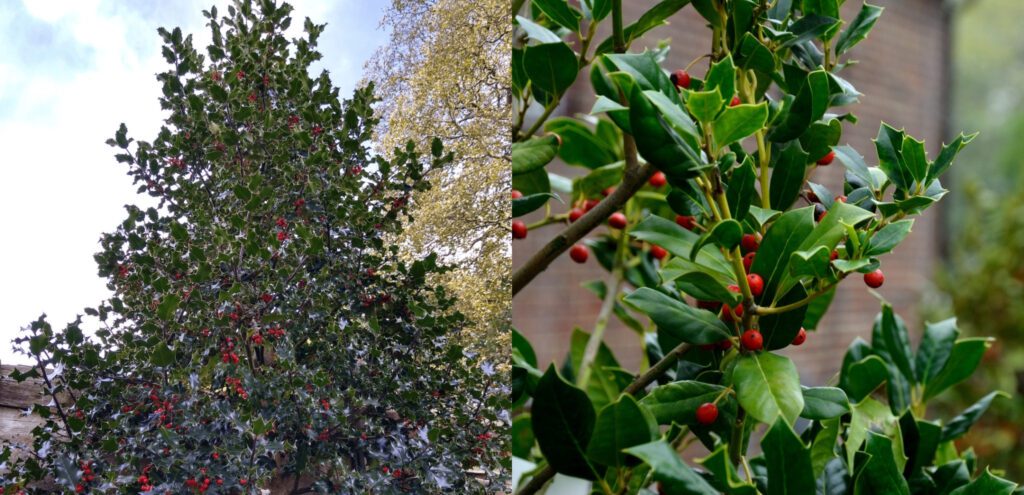
American Holly – Ilex opaca
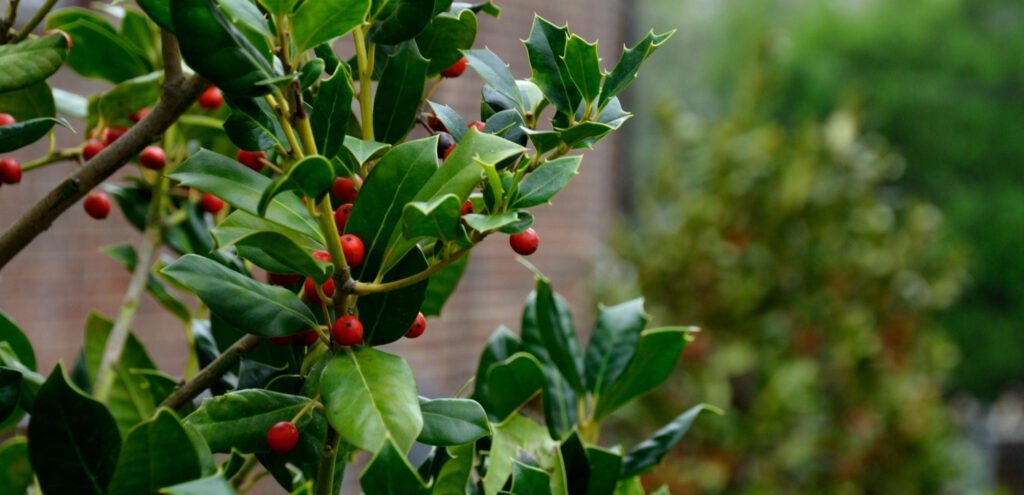
An icon of the holiday season, the American holly is a pyramid-shaped tree with dark green leaves and red berries that birds appreciate. It adds a splash of green in our otherwise leafless winters and is prized in many gardens throughout the DC area. The American holly grows slowly, typically taking 30 years to reach a height of 20 feet. It will grow in full sun but prefers partial shade. This tree and similar cultivars are available through our residential planting program. You can also get up to $50 back for planting this tree yourself through our tree rebate program.
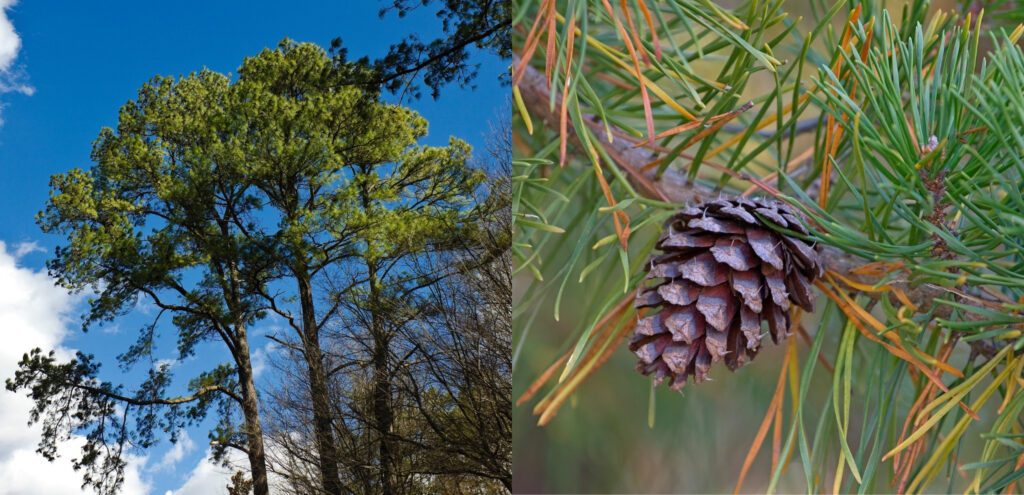
Loblolly Pine – Pinus taeda
The loblolly pine is a relatively fast-growing evergreen known for its straight trunk, upright form, and distinctive bark that forms broad, reddish-brown plates. Its narrow form allows it to occupy a variety of yard spaces, and over time, its crown of attractive green needles spreads out to provide shade below. The name “loblolly” refers to a marshy patch of land, or a mudhole, reflecting the swampy areas where this tree often grows in the wild. This tree and similar cultivars are available through our residential planting program. You can also get up to $50 back for planting this tree yourself through our tree rebate program.
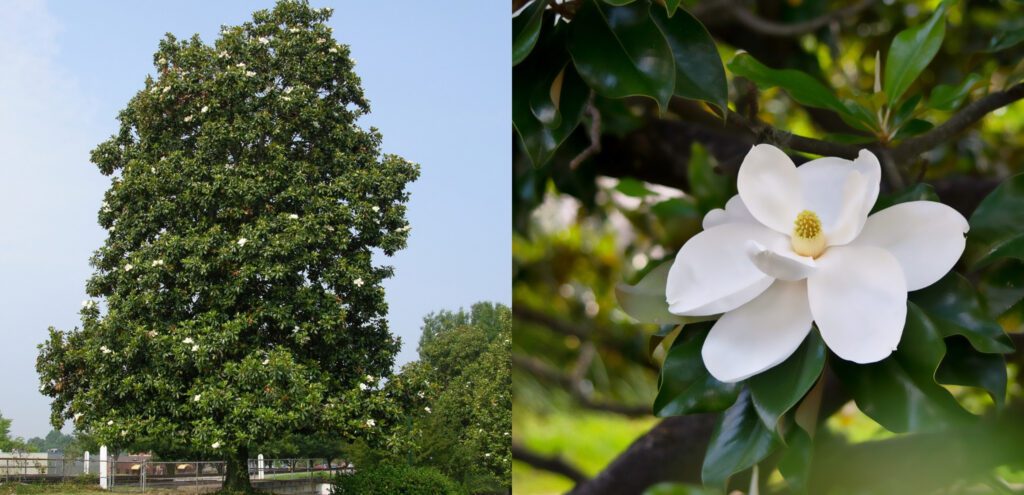
Southern Magnolia – Magnolia grandiflora
The elegant southern magnolia has large, fragrant flowers that bloom from March to June, striking seed pods that drop bright red seeds in the fall, and bold, beautiful leaves. This tree is a much sought-after, durable evergreen tree that graces gardens and yards throughout the District. They reach approximately 50 feet in height in about 50 years and thrive in full sun or partial shade. The southern magnolia and similar cultivars are available through our residential planting program. You can also get up to $100 back for planting this tree yourself through our tree rebate program.
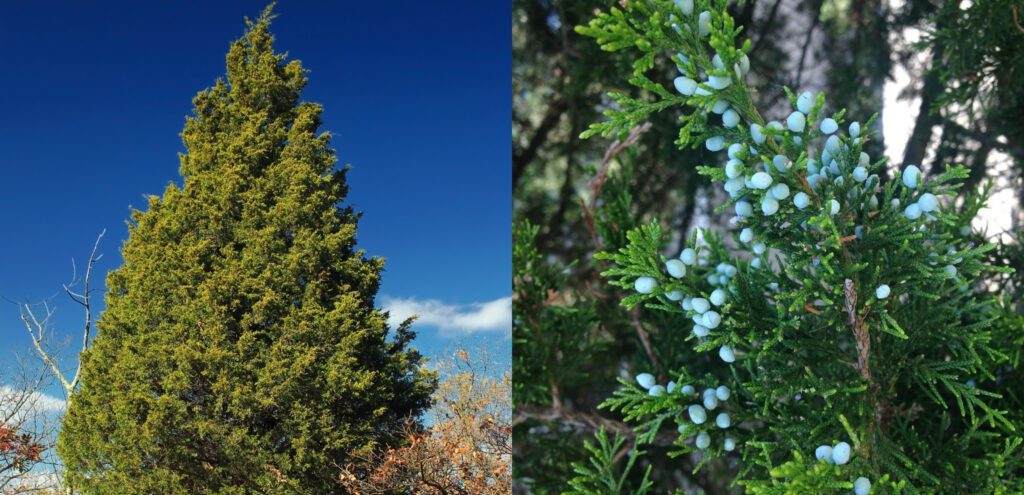
Red Cedar – Juniperus virginiana
Often seen colonizing abandoned farm fields just outside DC, the red cedar is an evergreen tree with beautiful reddish-brown bark. Despite the common misconception, the juniper’s seed cones are not berries, but they do serve as a valuable resource for wildlife and contribute to the tree’s significance in various ecosystems. This botanical distinction is important, as the juniper’s seed cones can be used in the production of gin and play a crucial role in the tree’s ecological interactions. The tree itself also serves as a larval host plant for a specific butterfly species—the juniper hairstreak—named for the tree’s species, Juniperus. This tree is available through our residential planting program. You can get up to $50 back for planting this tree yourself through our tree rebate program.
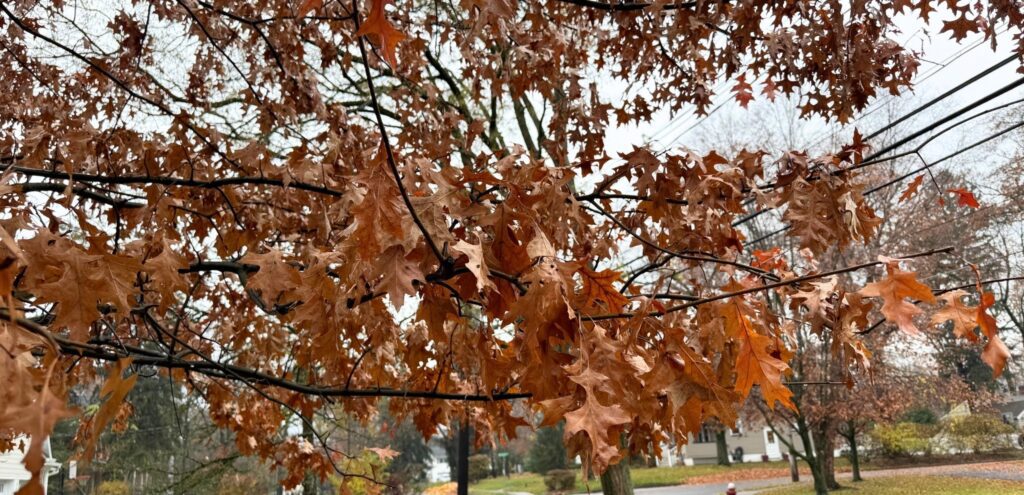
Honorary Mention
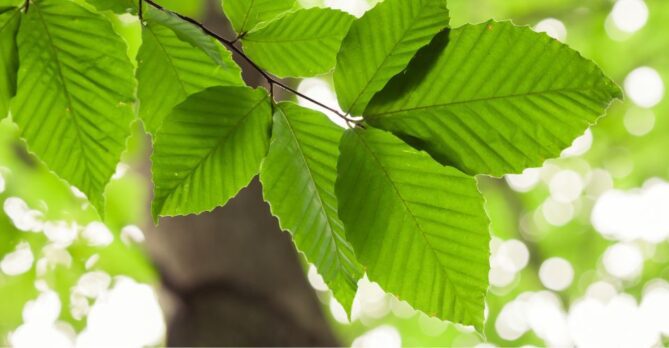
While they may not be evergreens, many deciduous trees experience a phenomenon where, instead of dropping their leaves in late fall/early winter, they hold on to them throughout the season and drop them before their new leaves come in spring. This mysterious occurrence is known as marcescence, and although scientists have named it, they’re not entirely certain why it happens. In the DMV region, several tree species, such as oak varieties, beech, and hornbeam trees, normally have marcescent leaves.
Although the exact cause is unknown, some scientists theorize that trees may do this to protect new buds from the elements and from hungry or curious animals that might want them. The marcescent leaves may also drop in the spring to provide a fresh layer of mulch around the tree, adding nutrients for growth in the new year. This is particularly advantageous when the tree is growing on a dry, infertile site, which is where oaks and beeches are often found, outcompeting other species. Another thought is that these leaves will help conserve soil moisture in the spring by adding shade to the forest floor.
Visit our page to learn how DC residents can get these trees added FOR FREE to homes or green spaces in the spring season! Whether you’re looking for trees that will keep your area bright and green all year long, or if you’re wishing for trees that will give you the four-season experience, the perfect tree is waiting for you. And if you would rather get your hands dirty and plant for yourself in the new year, our tree rebate program will keep the project within budget.