Nestled beside the iconic Kenilworth Aquatic Gardens in Northeast Washington, DC, lies a landscape of forested wetlands rich in natural beauty and layered history. Once home to thriving Native American communities, later transformed into acres of carefully tended lily gardens, and eventually shaped by waves of urban change, this land has witnessed both prosperity and hardship over the centuries.
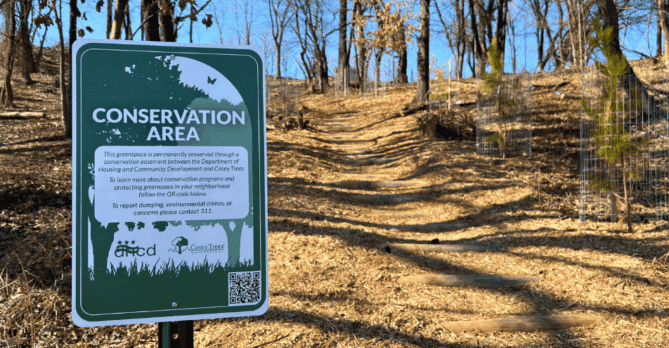
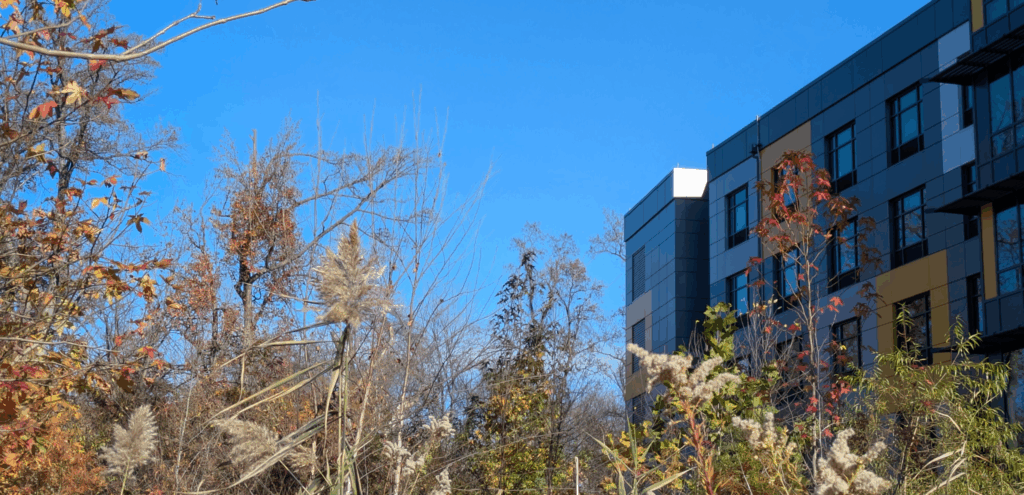
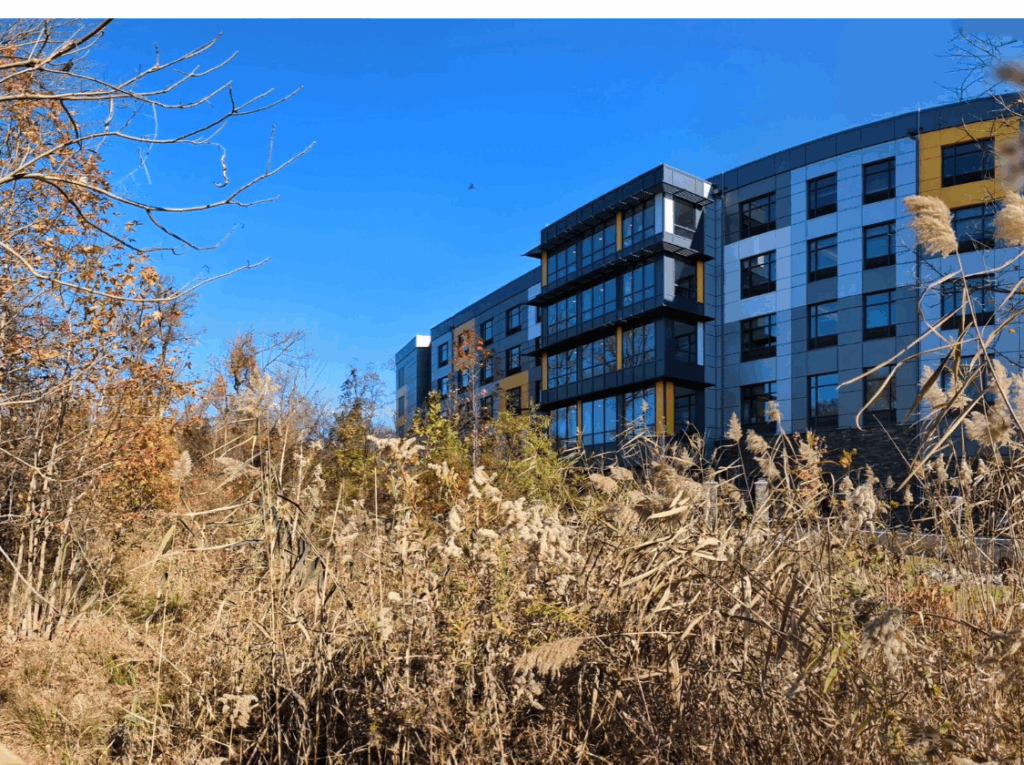
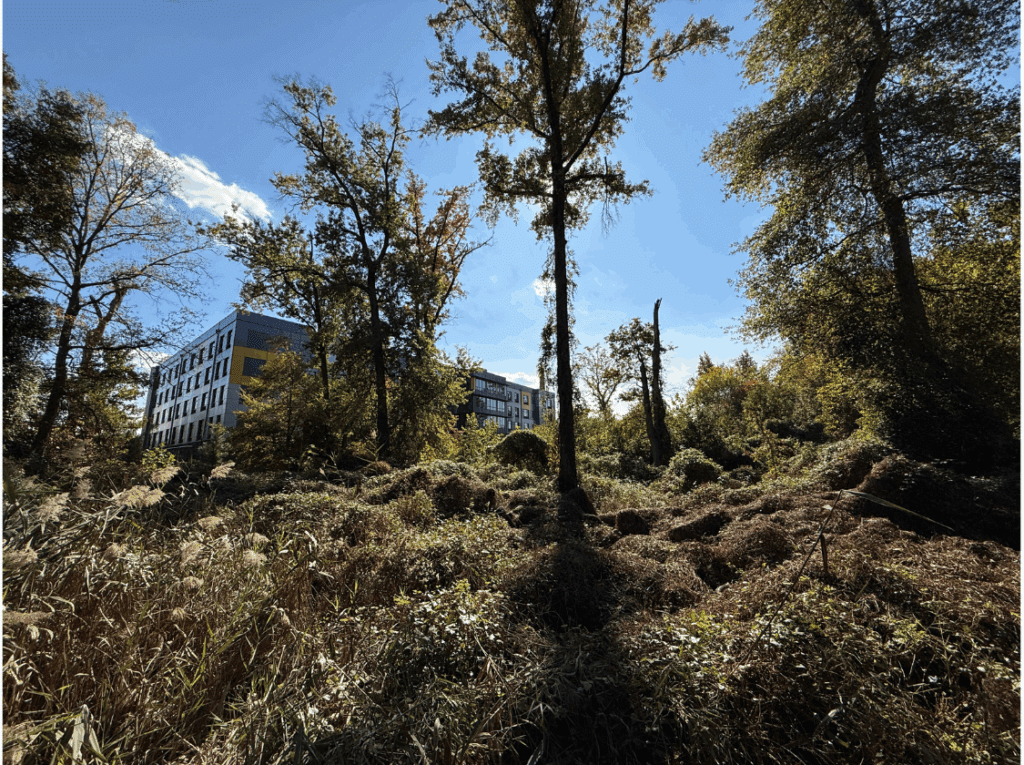
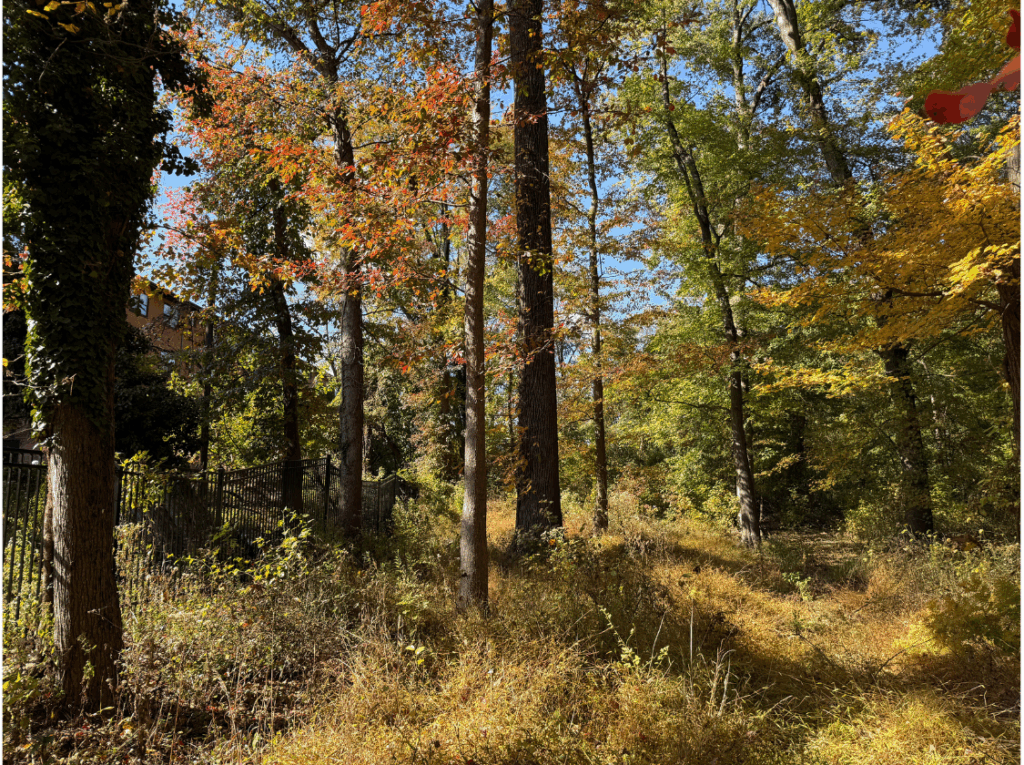
Today, through a new conservation easement with Casey Trees, a portion of this land begins a new chapter—one focused on lasting protection and stewardship. A small, forested area behind The Residences at Kenilworth Park, a senior assisted living community, will now be preserved in perpetuity for residents and neighbors alike to enjoy. This preservation not only brings the restorative presence of DC’s wetlands closer to the community but also supports the broader health of the Anacostia Watershed and the city’s environment as a whole.
Why are Forested Wetlands Important to DC?
Many areas close to the Anacostia River are wetlands – transitional zones between dry land and open water that serve as some of nature’s most effective filtration and flood control systems. However, there are only about 300 acres of remaining wetland in the District, as over 90% of the historic wetlands have been lost to development, dredging, and other infills.
The dense vegetation, soils, and slow-moving waters in these wetlands work together to trap sediment, absorb excess nutrients, and filter pollutants that would otherwise wash directly into the river. When stormwater flows into these areas, the water slows down, allowing suspended particles and contaminants to settle out. Meanwhile, wetland plants take up nitrogen and phosphorus through their roots, further improving water quality.
Wetlands also act like natural sponges during heavy rains. Their soil can store large amounts of water, gradually releasing it into the river and groundwater over time. This natural retention reduces the severity and frequency of flooding in surrounding neighborhoods, protecting them from stormwater runoff that can overwhelm the city’s drainage systems. During dry periods, that slow release of stored water helps sustain stream flow, maintaining habitat for fish and other aquatic life even when rainfall is scarce. Wetlands are also integral components of food webs, providing nursery habitat for breeding fish, amphibians, and birds, as well as habitat for wildlife.
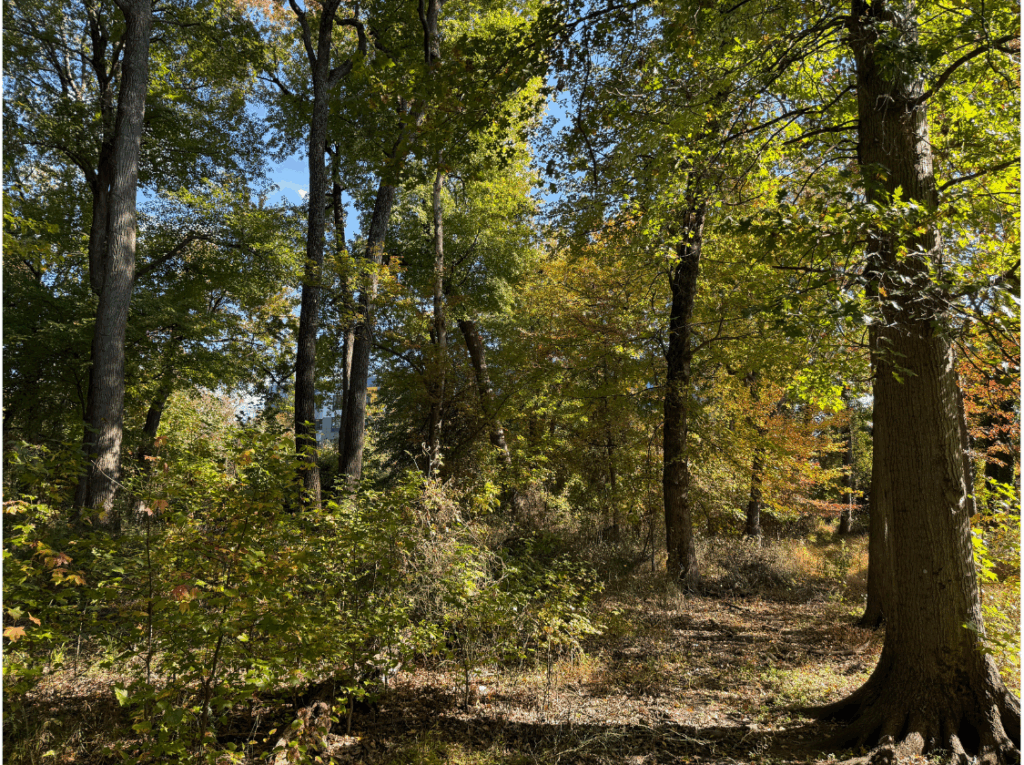
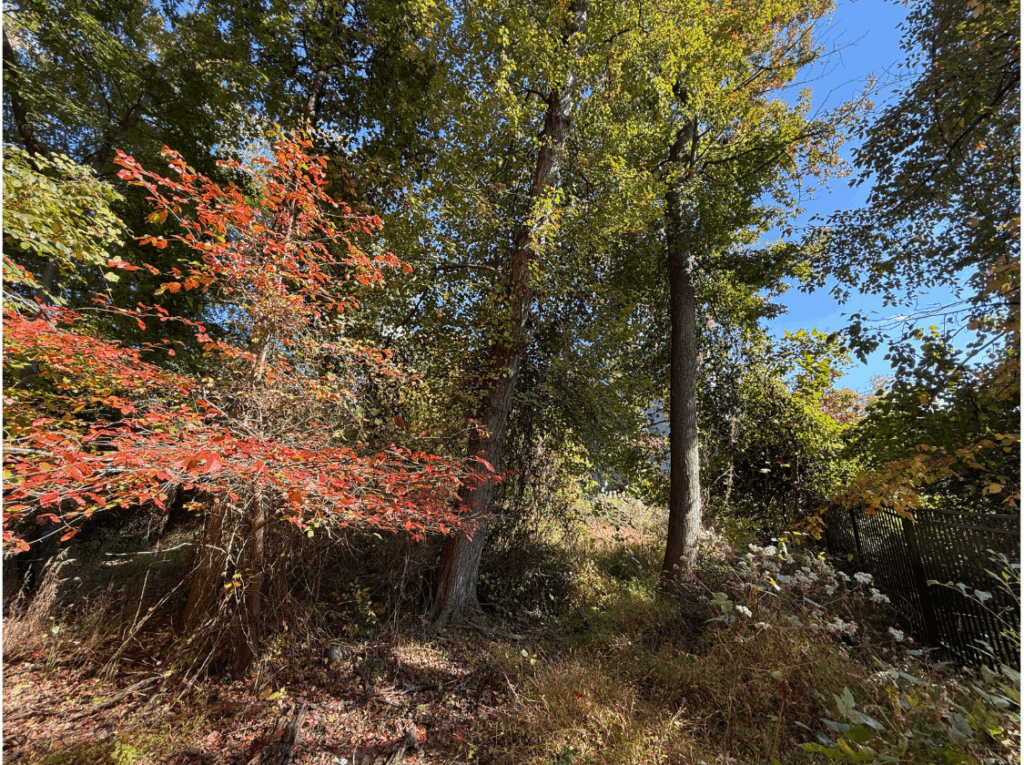
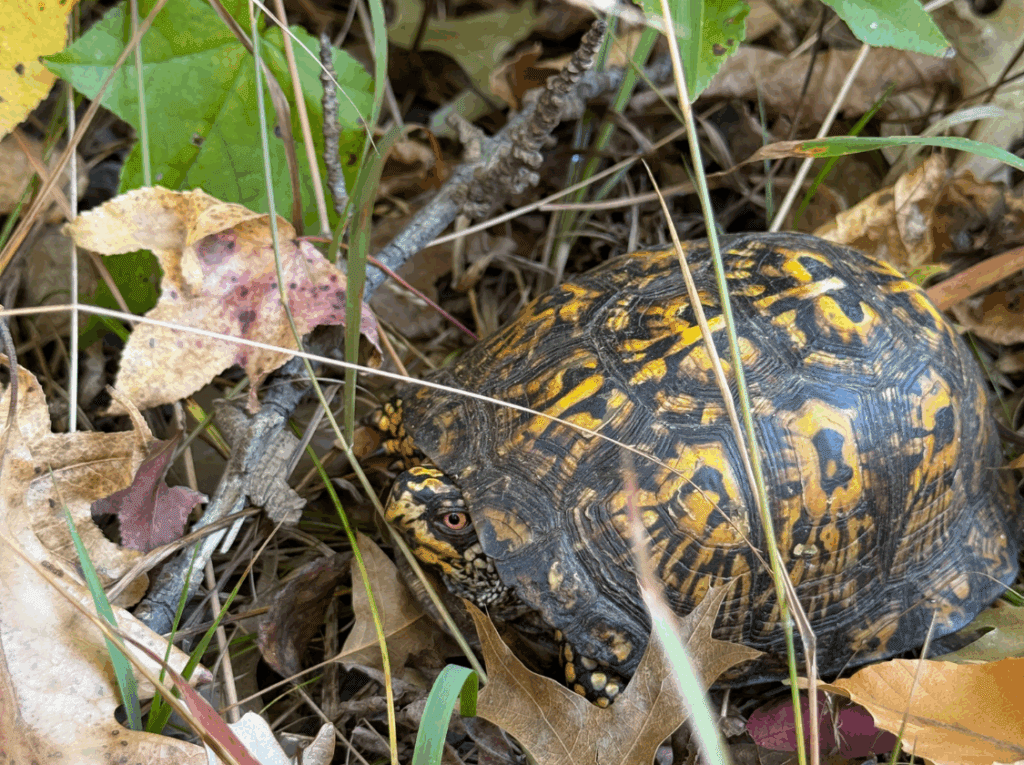
The residents who live at The Residences at Kenilworth Park enjoy spending time on the building’s back patio and often see the wildlife the wetlands sustain. “Have you seen the fox?!” asked one resident. “We see the fox sometimes. And there’s a possum, some turtles, some different birds, and a couple of eagles up there,” they said, pointing to the tall trees that grow on the northeast side of the property.
“And a bear!” says another resident, laughing. “I haven’t seen it, but some people say they saw one.”
Roots in Culture and National History on the Anacostia
The area near The Residences is best known, of course, for the nearby Kenilworth Aquatic Gardens, which originated after the Civil War as part of the “Lily Ponds” near the Anacostia River. This wetland region was famed for its natural ponds and abundant lilies and lotuses. However, dating back generations prior, the Nacotchtank and Piscataway Conoy tribes fished and foraged in these wetlands for thousands of years.

Civil War veteran Walter B. Shaw bought the land in the 1880s – then over 30 acres – and developed the W.B. Shaw Lily Ponds, expanding the gardens into a thriving business. His daughter, Helen Fowler, further expanded the gardens, attracting visitors and cultivating a wide variety of lilies and other plants. When federal plans to dredge the Anacostia threatened the gardens in the 1930s, Congress purchased eight acres of the land in 1938 to preserve it as a public park under the National Park Service, now known as the Kenilworth Aquatic Gardens. The rest of the acreage was kept as lily ponds, farmland, or naturalized area. But in the years that followed, the surrounding neighborhood evolved amid urban growth, development, and infrastructure changes.
For the last 75 years, the area around The Residences has been marked by instances of neglect and environmental degradation. The Kenilworth landfill operated nearby from 1942 to 1972, with years of open burning, releasing toxic fumes and impacting predominantly black communities in the area. The site that would become The Residences had become a dump location and was laden with trash and lacking proper stewardship. The wetlands and forests that once thrived were diminished and at risk.
“I grew up around here,” said resident Marlon Antonio Stellwell, who has been at The Residences for almost a year, but who has lived in the area for decades. “I used to walk all around here, when none of this was here. I used to come down here and catch tadpoles!”
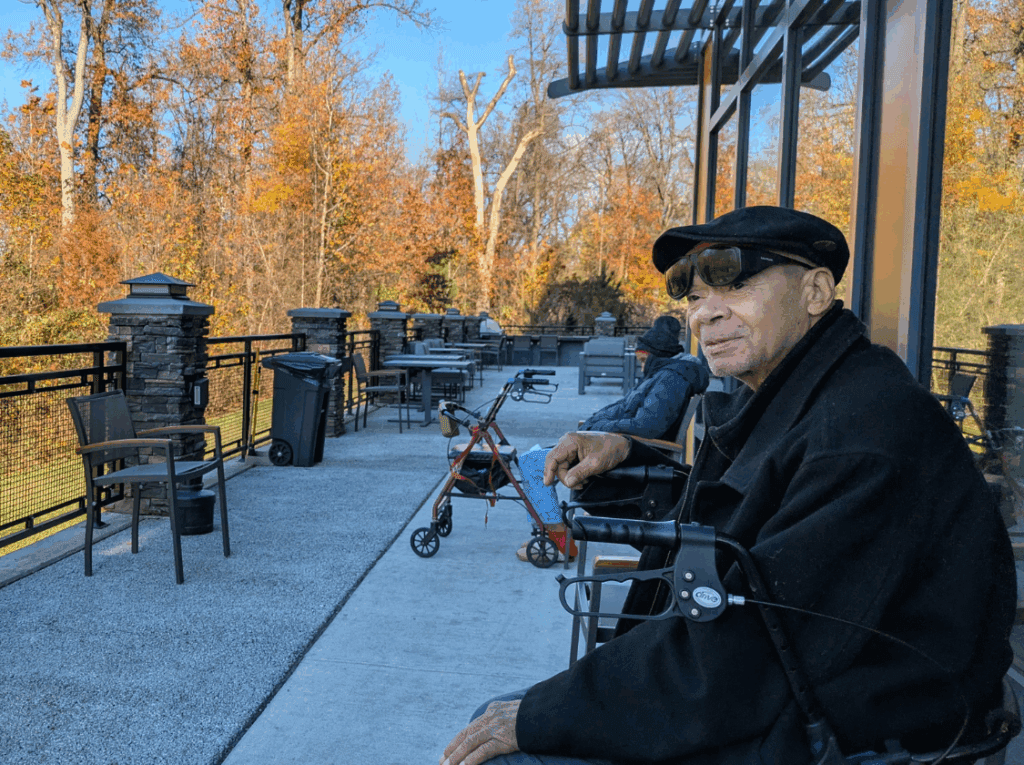
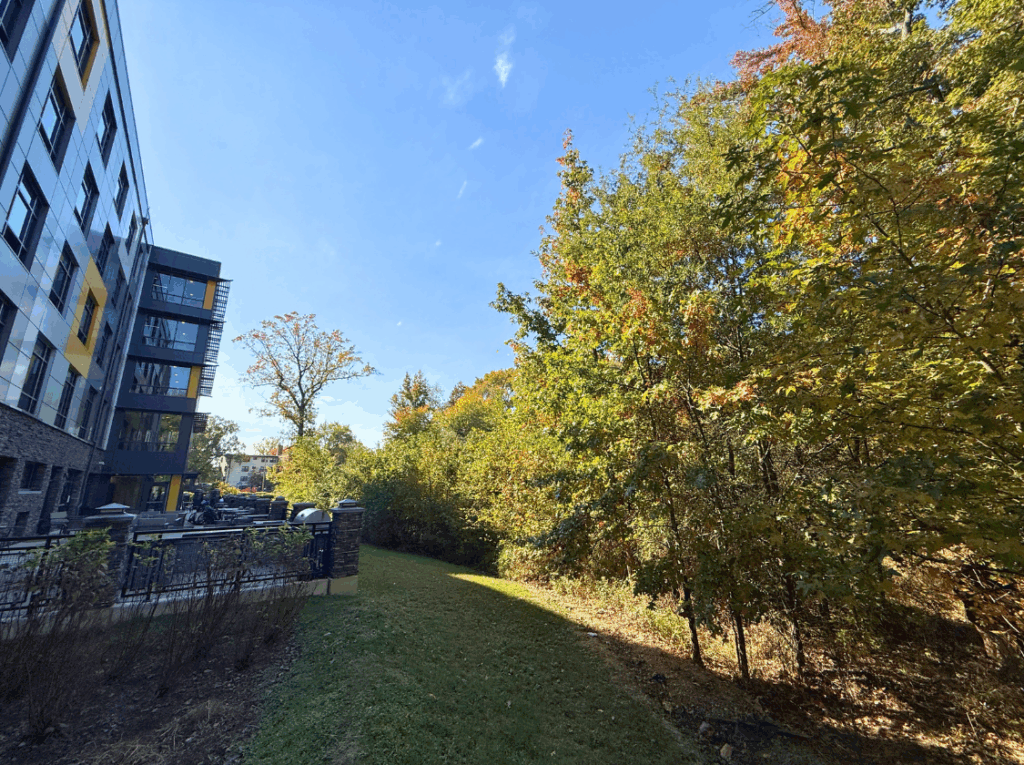
The District Department of Energy and Environment, along with a host of local partners and organizations, has invested heavily in restoring and protecting these wetlands as part of ongoing efforts to clean the Anacostia River. Because of their efforts, the Anacostia’s water quality has dramatically improved over the years, to the point that there is occasional approval to swim in its waters during DC’s hot summers.
The Residences Development and Restoration Process
In 2020, significant efforts began to revitalize the site. The Residences at Kenilworth Park was developed as an affordable assisted-living community for low-income seniors in Ward 7, serving over 150 residents. The development aimed not only to provide quality senior housing but also to restore and conserve the wetland and forested areas behind the facility.
The Residences were purposefully constructed to allow residents to view the forested area, offering seasonal tree views, diverse wildlife, and a tranquil space to spend time outdoors. After construction, a conservation easement was established with Casey Trees to permanently protect the same area – about one acre of forested wetland on the property, adjacent to the Kenilworth Aquatic Gardens.

Going Forward: Protection and Stewardship by Casey Trees
With a permanent conservation easement in place, Casey Trees will now work with the landowner to steward the forested wetland area, ensuring its health, biodiversity, and accessibility for future generations. Casey Trees’ stewardship work is supported through a donation by the landowner and will include ongoing maintenance, habitat preservation, community engagement, and education, linking the natural heritage of the Anacostia with the well-being of local residents.
This represents a hopeful chapter in the restoration of a historically significant and ecologically valuable landscape, honoring both its deep roots in the community and the future vitality of its green spaces.