Show Filter Options
Filter Trees
Sizes
Light Conditions
Other Options
RESET FORM
The trees in this guide are well adapted to the soil and conditions present in Washington, DC We encourage you to plant medium and larger-sized trees, as they provide greater benefits to the city than smaller trees. Young trees require 1.5 inches of rain or 25 gallons of water per week for the first three years to establish their roots.
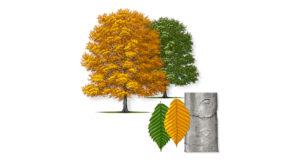
American Beech
large
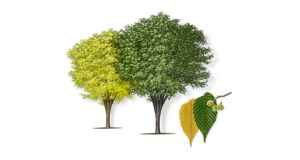
American Elm
large
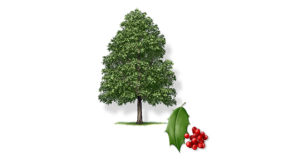
American Holly
medium
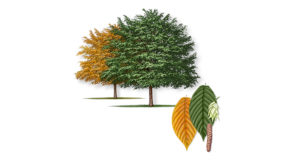
American Hophornbeam
small
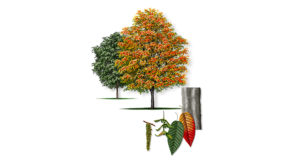
American Hornbeam
small
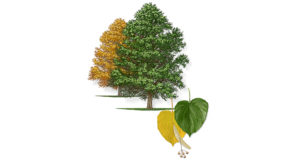
American Linden
large
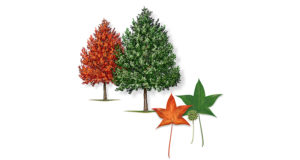
American Sweetgum
large
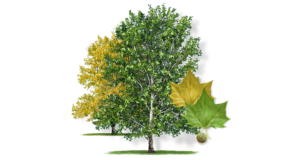
American Sycamore
large
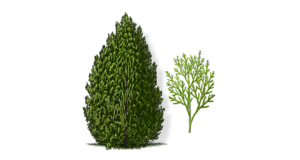
Arborvitae
small
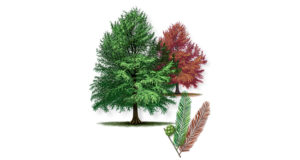
Bald Cypress
large
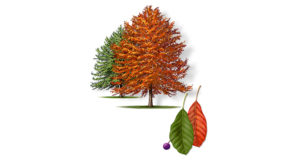
Black Tupelo
medium
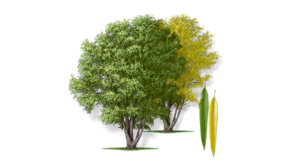
Black Willow
large
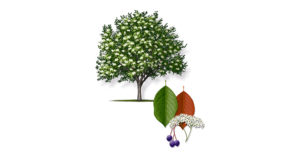
Blackhaw Viburnum
small
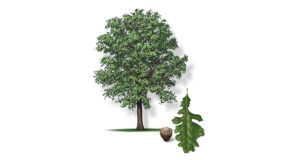
Bur Oak
large
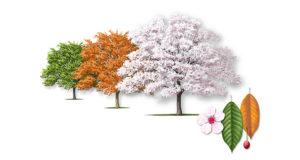
Cherry
medium
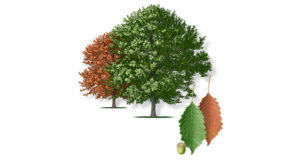
Chestnut Oak
large
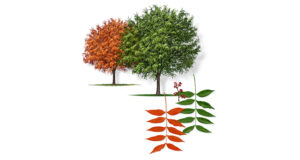
Chinese Pistache
medium
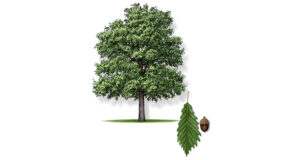
Chinkapin Oak
medium
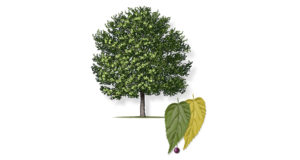
Common Hackberry
medium
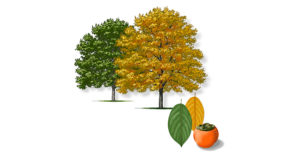
Common Persimmon
medium
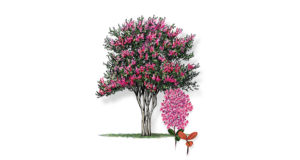
Crape Myrtle
small
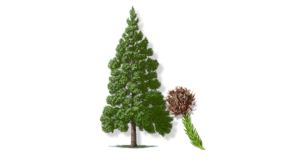
Cryptomeria
large
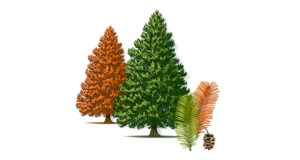
Dawn Redwood
large
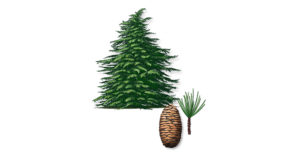
Deodar Cedar
medium
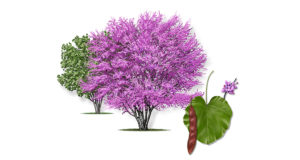
Eastern Redbud
small
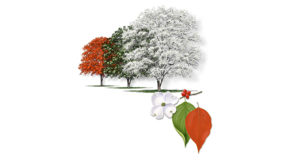
Flowering Dogwood
small
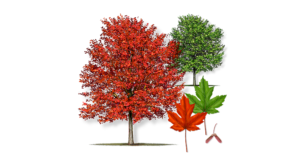
Freeman Maple
medium
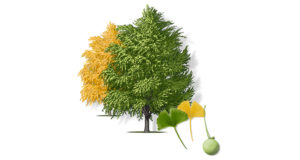
Ginkgo
large
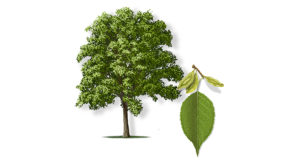
Hardy Rubber Tree
large
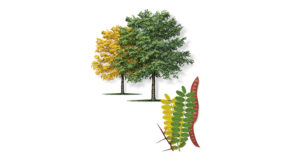
Honey Locust
large
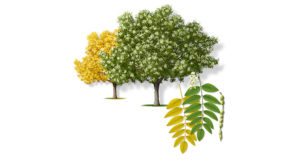
Japanese Pagoda
large
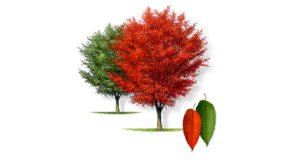
Japanese Zelkova
large
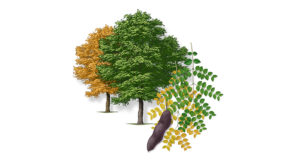
Kentucky Coffeetree
large
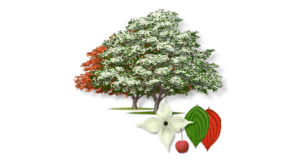
Kousa Dogwood
small
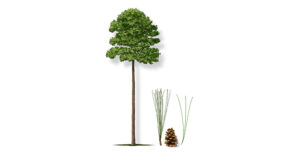
Loblolly Pine
large
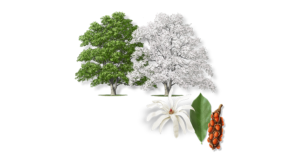
Loebner Magnolia
medium
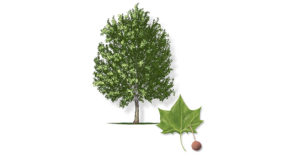
London Planetree
large
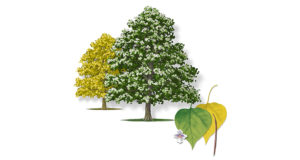
Northern Catalpa
large
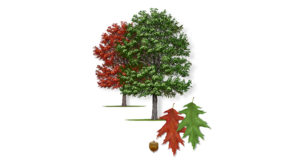
Northern Red Oak
large
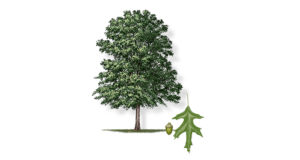
Nuttall Oak
medium
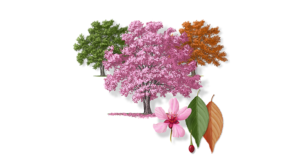
Okame Cherry
medium
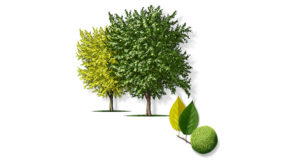
Osage Orange
large
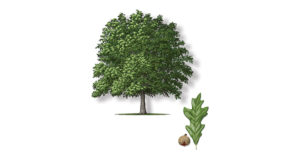
Overcup Oak
large
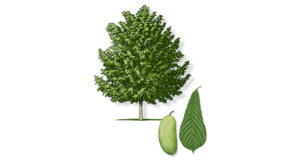
Pawpaw
small
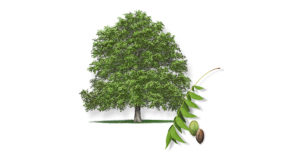
Pecan
large
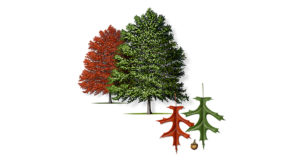
Pin Oak
large
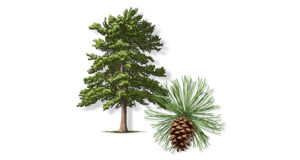
Pitch Pine
large
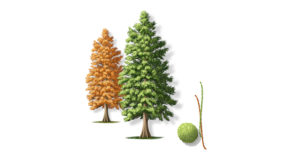
Pond Cypress
large
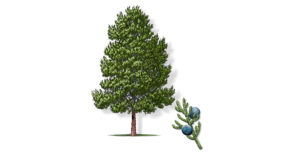
Red Cedar
medium
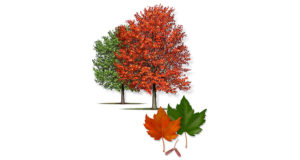
Red Maple
medium
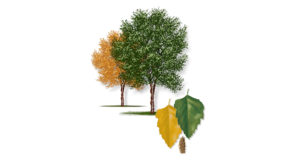
River Birch
medium
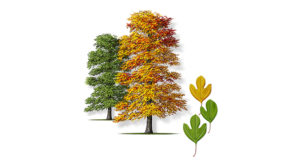
Sassafras
medium
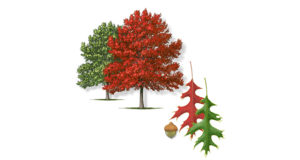
Scarlet Oak
large
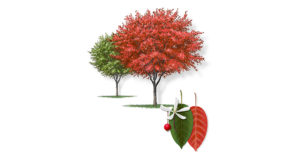
Serviceberry
small
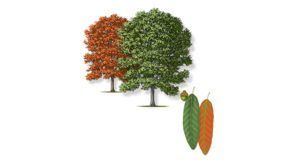
Shingle Oak
large
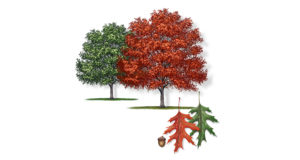
Shumard Oak
large
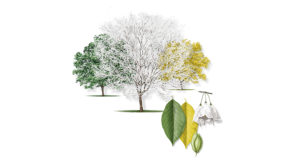
Silverbell
small
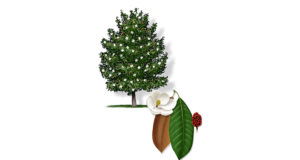
Southern Magnolia
large
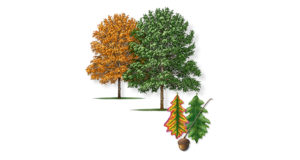
Swamp White Oak
large
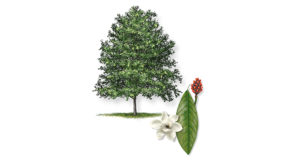
Sweetbay Magnolia
small
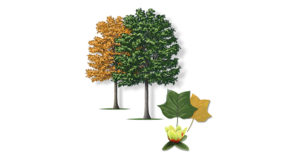
Tuliptree
large
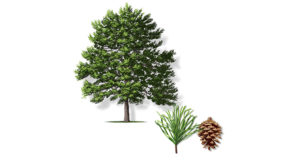
Virginia Pine
medium
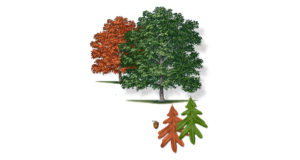
White Oak
large
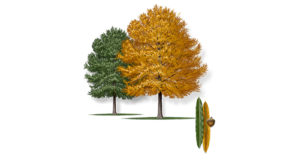
Willow Oak
large
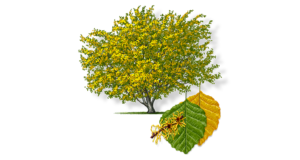
Witch Hazel
small
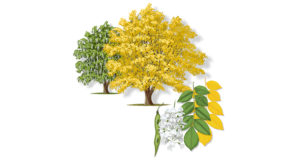
Yellowwood
medium