Trees may not always have the symmetrical, picture-perfect shape we often see depicted in illustrations, diagrams, or emojis.
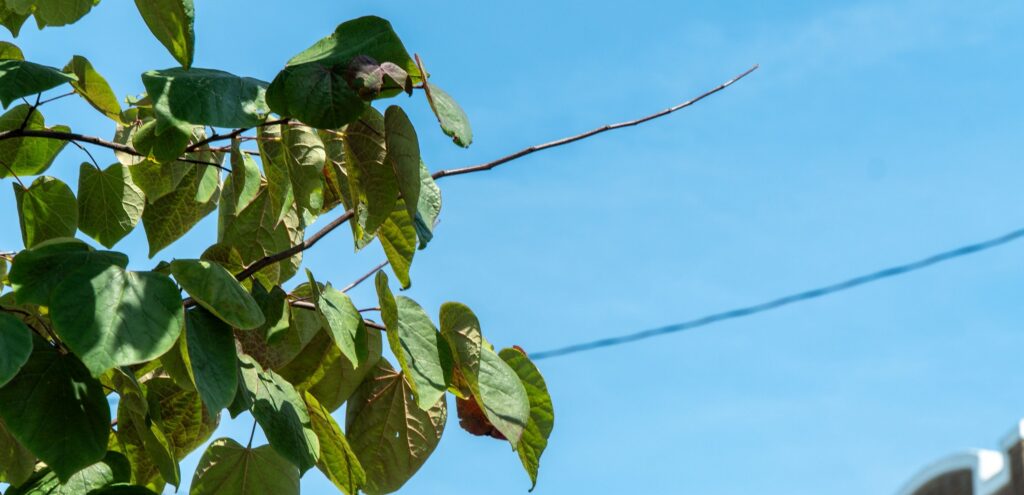
Over time, your tree may look ragged with exposed, straggly branches void of the green leaves that should be there. Your tree looks like it’s on its way out. It looks like your tree is dead.
The good news? Your tree (probably) isn’t dead! Well, at least for now. However, it is stressed out—and it’s important that you act on the steps needed to help your tree.
What are those bare branches?
The progressive death of twigs, shoots, and branches from the tip downward is called dieback and is often seen in urban environments where trees withstand a range of stressors, from pollutants to extreme heat.
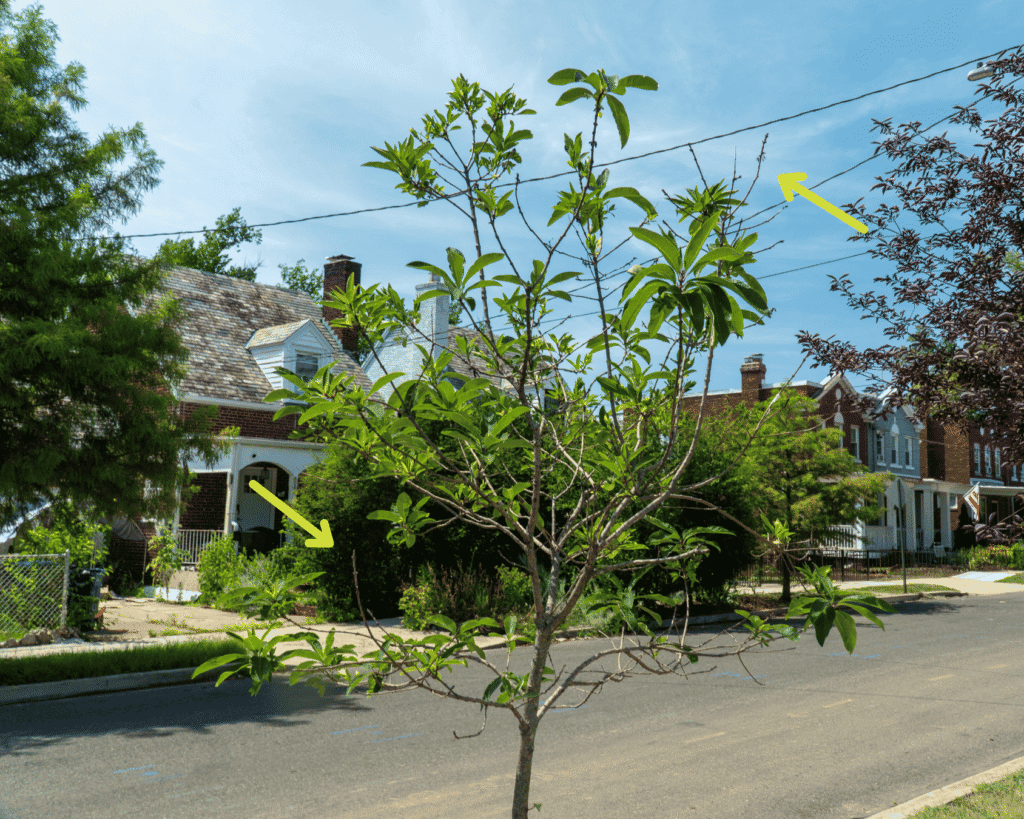
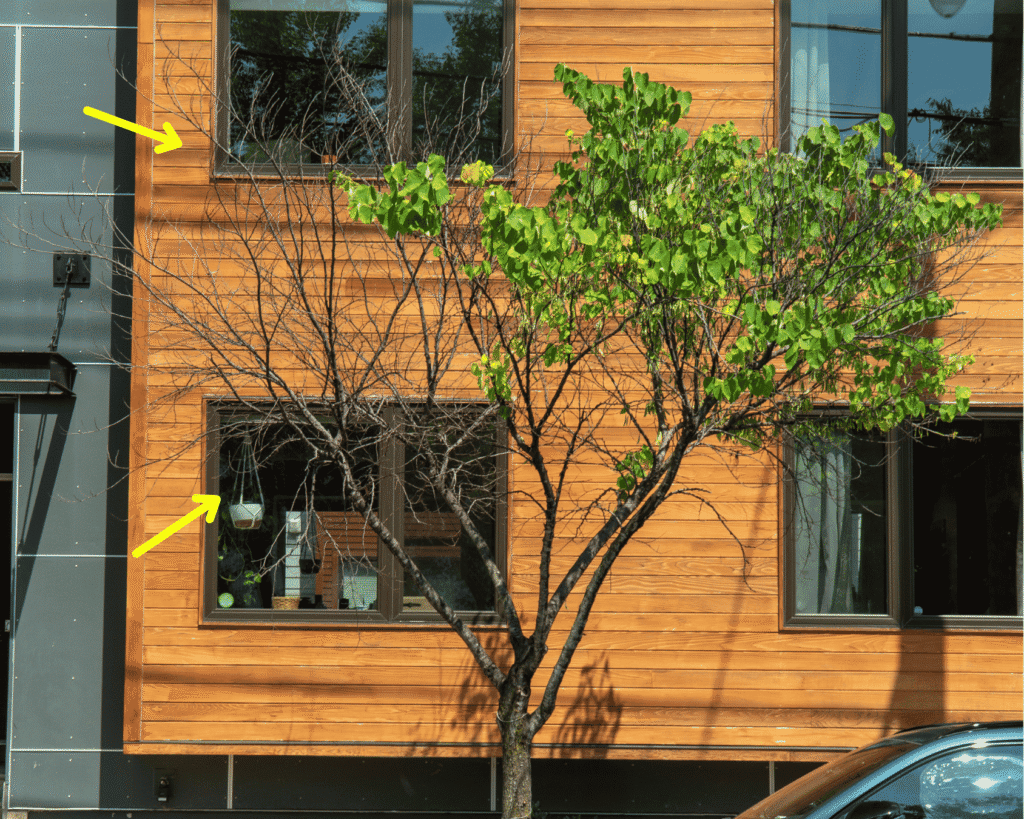
Dieback can be caused by many different factors, including damage to the tree’s roots and trunk, arboreal diseases and insects, storm damage, winter freezes, improper soil pH, and herbicide damage, to name a few. And it’s not just one size fits all—the degree of dieback ranges from tree to tree, from affecting just the tips of branches to wiping out large swaths of a tree’s canopy.
With all these potential causes and degrees of damage, it’s extremely difficult to know what is causing a tree’s dieback by looks alone, and we can get lost in a spiral of questions over what ailment is the prime suspect.
Tender Love & (Tree) Care
When folks reach out to us about their young trees showing signs of dieback, we often find that heat stress and the strain of being replanted—generally called “transplant shock”—are the most likely causes of their bare-branched trees. Therefore, the most effective way to address this dieback is to first ensure your tree receives basic care, including watering and mulching.
WATERING
Watering is one of the most important factors in ensuring a young tree’s survival. In the first three years after planting, a tree should receive at least 10 gallons of water per inch of base trunk diameter, per week. It sounds complicated, but the math is simple—for example, if your tree trunk’s diameter is at least 1.5 inches wide, then your tree needs at least 15 gallons of water per week, either by rainfall or manual watering. And every tree is different—many trees need up to 25 gallons of water per week to help them develop strong, resilient root systems that support growth and drought resistance.
Water slowly, deeply, and infrequently sothe water penetrates deep into the soil rather than running off the surface. The best way to do this is to let a hose trickle for around 30 minutes into the soil around a foot from the base of the tree, avoiding the trunk and leaves.
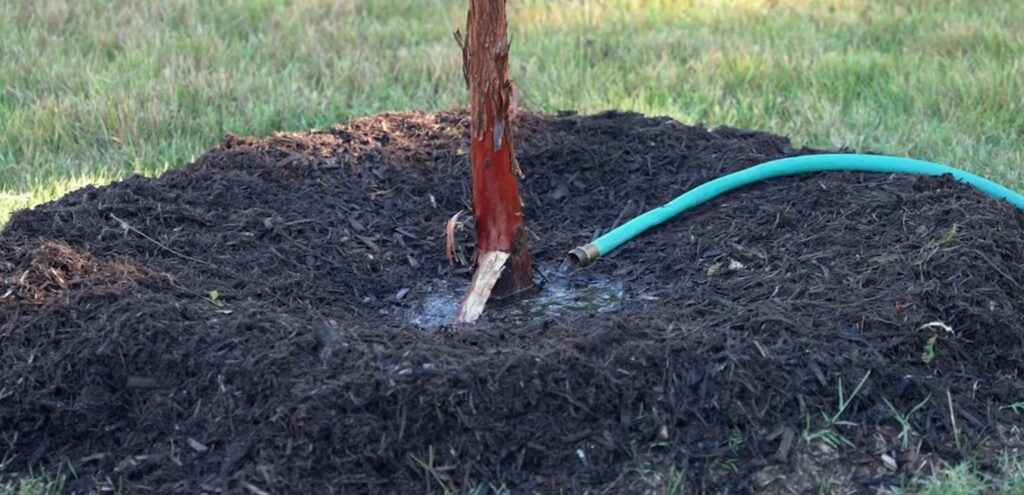
Make sure not to water more than once a week, unless the tree is experiencing extreme drought or heat—too much water can suffocate the tree’s roots and drown the tree.
MULCHING
When done correctly, mulching is a simple yet effective way to fertilize soil, insulate roots, reduce competition from weeds and turf grass, and keep a tree hydrated.
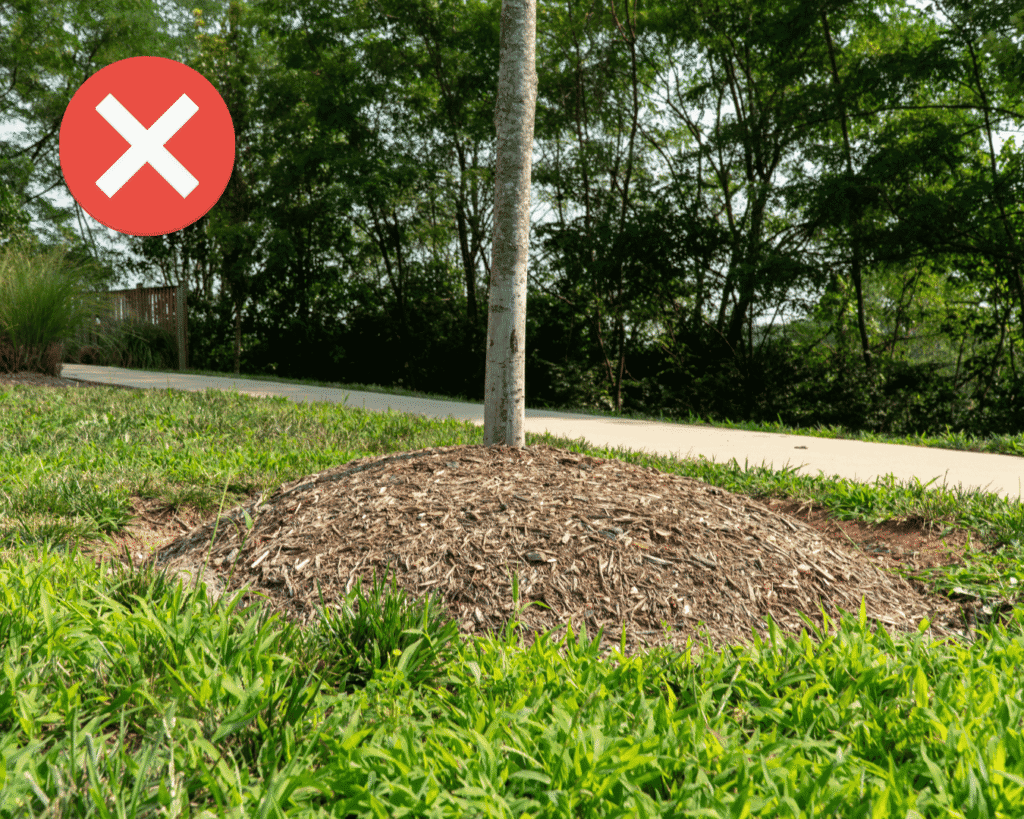
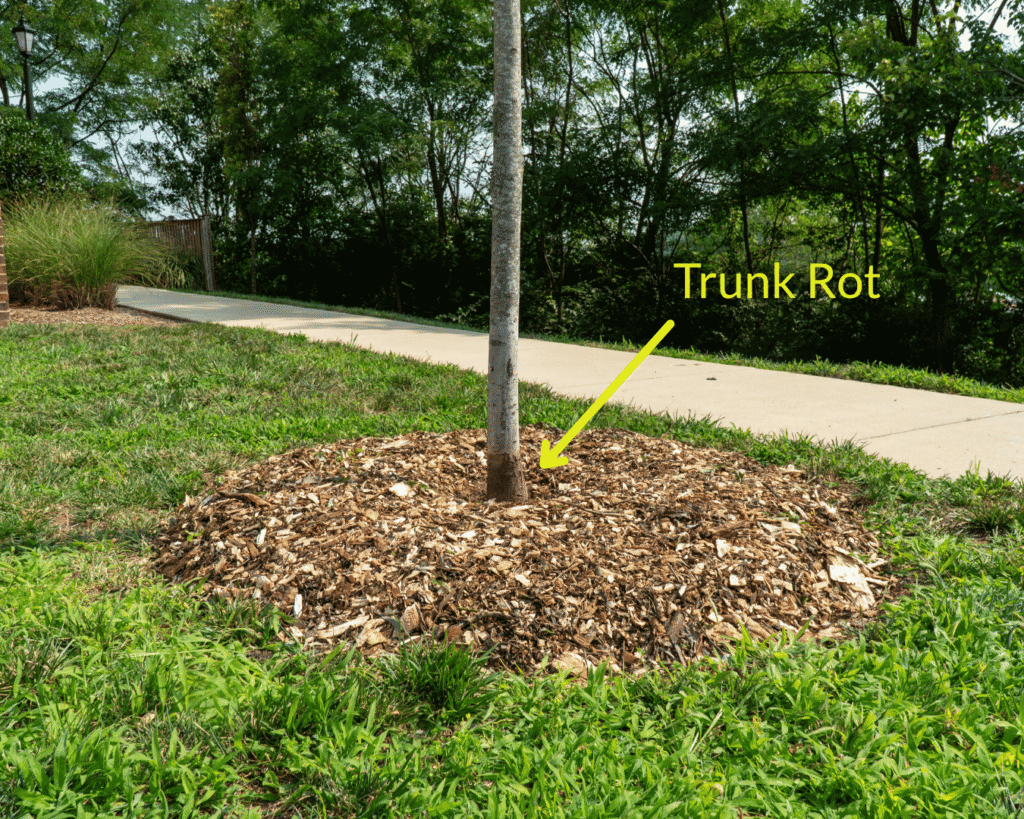
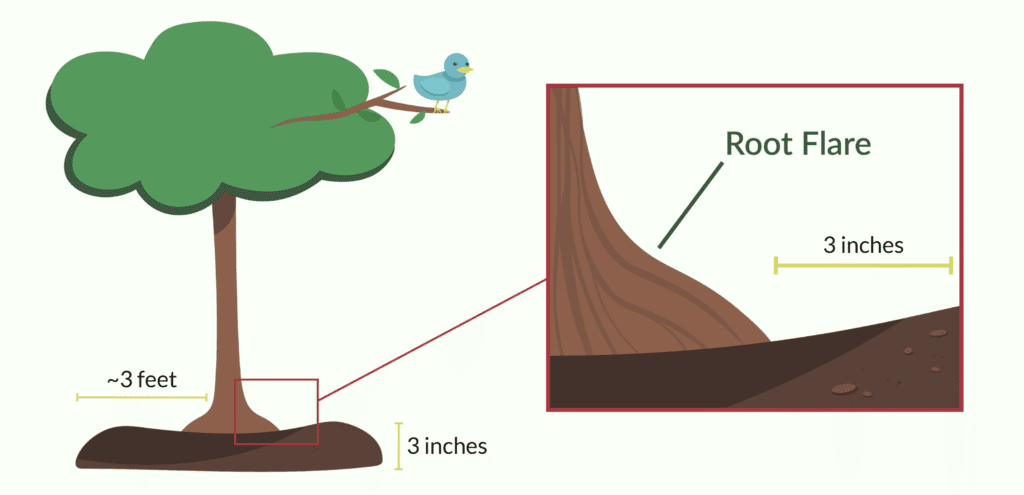
However, if done improperly, mulching can cause more harm than good. A frequent mishap we see is “volcano mulching,” where mulch is piled high against a tree trunk and can cause disease, decay, stem-girdling roots, and other stresses that can contribute to dieback. Avoid this by following the 3-3-3 rule: lay a layer of mulch 3 inches deep, spread it to a radius around 3 feet from the trunk, and leave a 3-inch gap by the base of the tree to expose the tree’s root flare.
Still not looking good?
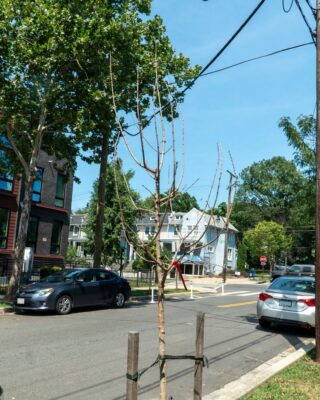
If your tree continues to decline and dieback spreads across the tree’s crown, there may be a larger issue at hand that’s not related to heat stress or establishment. Stressors like transplant shock, girdling roots, and pests and disease can’t be amended by water and mulch alone. If you suspect a larger issue is causing your tree to decline, reach out to a local ISA-certified arborist for help.
What if my tree genuinely looks dead?
If your tree hasn’t produced any sign of leaves by late spring and early summer, then fine. There’s a chance your tree is actually dead.
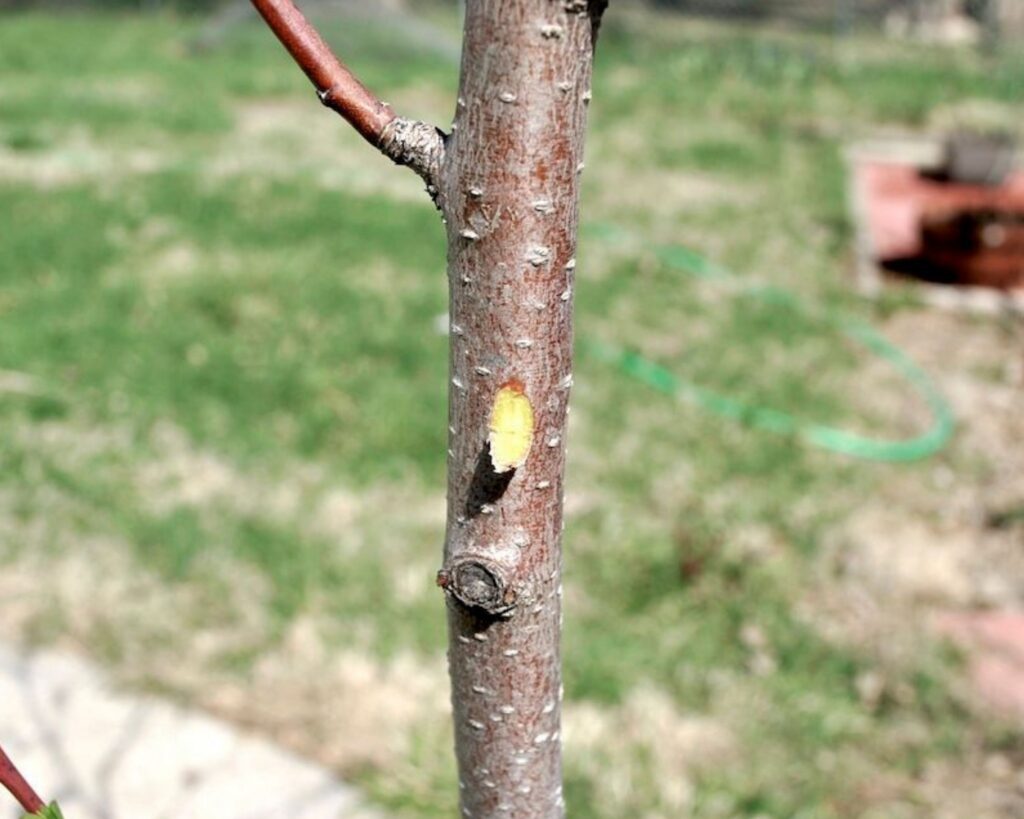
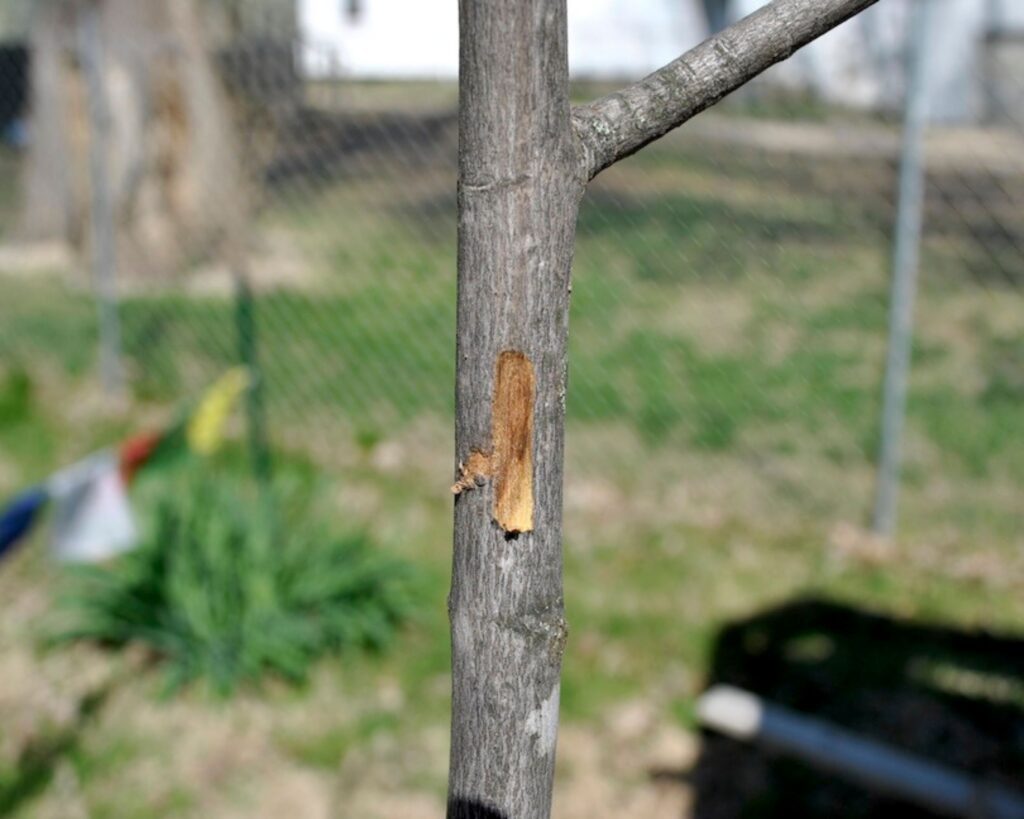
One way to find out is by performing a scratch test, a simple way to see if there’s green, living tissue in a part of a tree by making a small cut in the tree’s bark. To perform a scratch test, use a key, small knife, or even your nail to scratch an incision no bigger than a dime on the tree’s trunk to check its tissue. NOTE: A scratch test technically injures a tree, so do so only as a last resort and make the smallest mark possible!
Don’t want to make a cut? Check the flexibility of your tree’s twigs—living trees have pliable, bendy branches, whereas dead branches are brittle and easily snap off.
What do I make of all this?
We can’t always control nature—sometimes, there are factors outside of our control that determine whether a tree thrives or doesn’t make it.
However, by following proper planting instructions and consistently watering and mulching in the first three years after a tree’s planting, we have a better chance of setting our trees up for success, where they’ll clean our air, cool our streets, and provide beauty and wonder for years to come.
Overall, if your tree has a little dieback, there’s no need to panic—simply listen and respond by giving your tree a little TLC. And if you don’t like the look of dead branches, you can always hire an arborist to prune them out.
For more tips on proactive tree care, check out our pages on watering and young tree care, and sign up for our weekly newsletter to receive watering alerts throughout the summer.