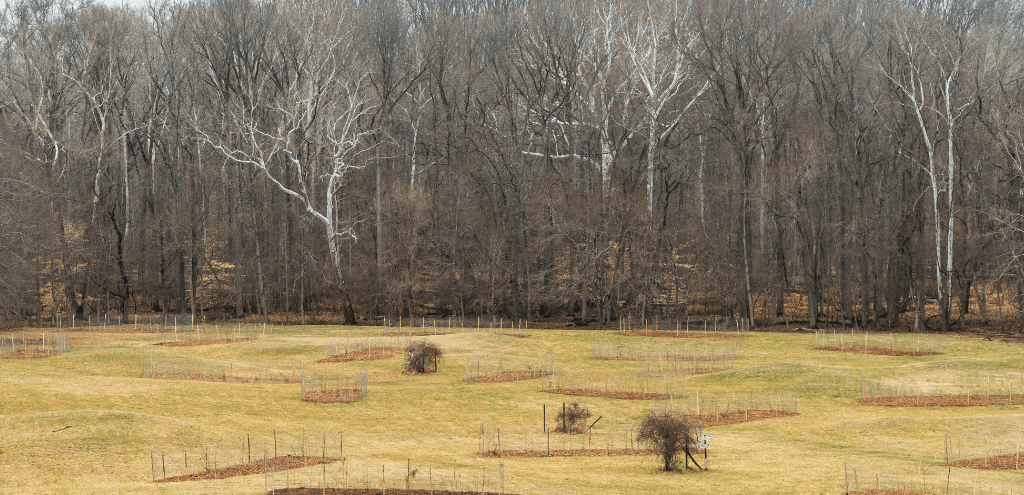
A former golf course in Prince George’s County is getting a second life as a thriving community forest, and Casey Trees is proud to be part of the transformation.
Thanks to a $673,560 grant from the Chesapeake Bay Trust’s Urban Trees Award Program, more than 10,340 native trees will be planted at the former Lake Arbor Golf Course in partnership with the Maryland-National Capital Park and Planning Commission (M‑NCPPC), Department of Parks and Recreation, Prince George’s County. The project supports the statewide 5 Million Trees for Maryland initiative and will convert neglected fairways into a rewilded park that boosts biodiversity, improves environmental health, and creates new ways for residents to enjoy nature.
Reimagining a golf course as a community forest
Built in 1970 and closed after foreclosure in 2010, the public golf course sat in disrepair for years before M‑NCPPC acquired it in 2022 to create a new park at Lake Arbor. Guided by extensive community input, the Lake Arbor Golf Course Reuse Master Plan prioritizes reforestation, conservation areas, natural habitats, and sustainable recreation such as trails and other active amenities, while tackling legacy issues like sinkholes, failing bridges, overgrown paths, and invasive species.
“This effort reflects how we are reimagining under-utilized recreational spaces in ways that strengthen our natural environment and serve the community,” said Darius A. Stanton, Director of the M‑NCPPC Department of Parks and Recreation, Prince George’s County. “As these trees take root and grow, they will help create a healthier ecosystem, provide shade and wildlife habitat, and offer residents a beautiful setting to enjoy nature for years to come.”
Why rewilding Matters
Replacing the golf course’s turf grass with native trees has significant positive environmental and ecological benefits. Traditional manicured lawns offer little ecological value: they often rely on non-native species, require significant water, and demand ongoing, costly maintenance. By rewilding Lake Arbor with a diverse mix of native trees and supporting assisted natural regeneration, this project will deliver cleaner air and water, cooler temperatures, richer wildlife habitat, and a stronger tree canopy that sequesters carbon and enhances climate resilience for Prince George’s County residents.
“Transforming Lake Arbor Park’s golf course—from vast turf to a vibrant community forest—marks an incredible step forward for the community, bringing immediate benefits like cleaner air, cooling shade, and inviting public spaces,” said Andrew Schichtel, Executive Director of Casey Trees. “Casey Trees proudly supports this collaborative effort as a model for how urban forestry investments can strengthen neighborhoods and build lasting resilience to climate challenges.”
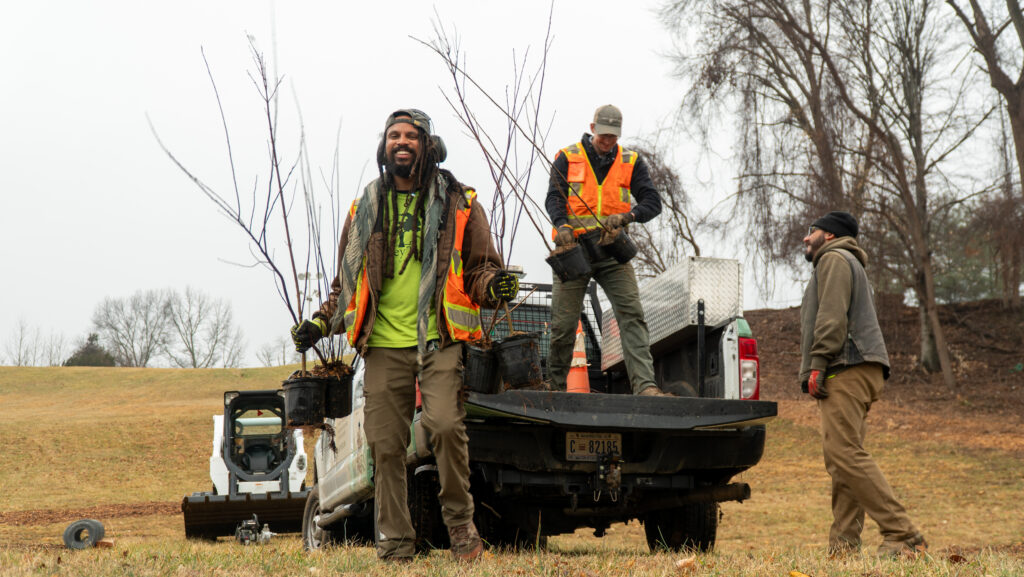
Casey Trees developed a comprehensive tree-planting and care plan for Lake Arbor to ensure these new trees establish and thrive. Over the course of the project, our team will help convert the former driving range and fairways into a natural forest habitat with seasonal plantings.
applied nucleation & forest regeneration
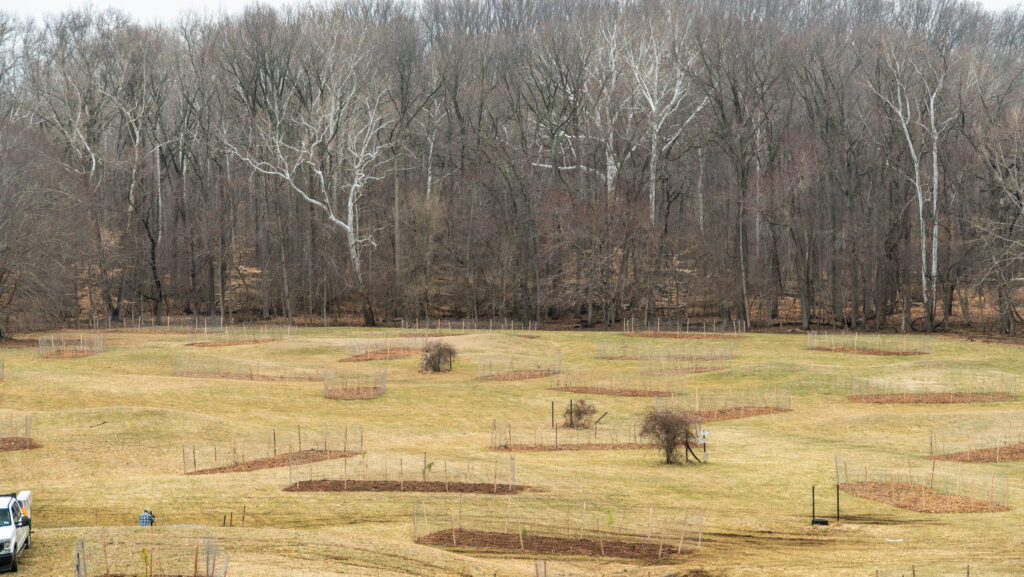
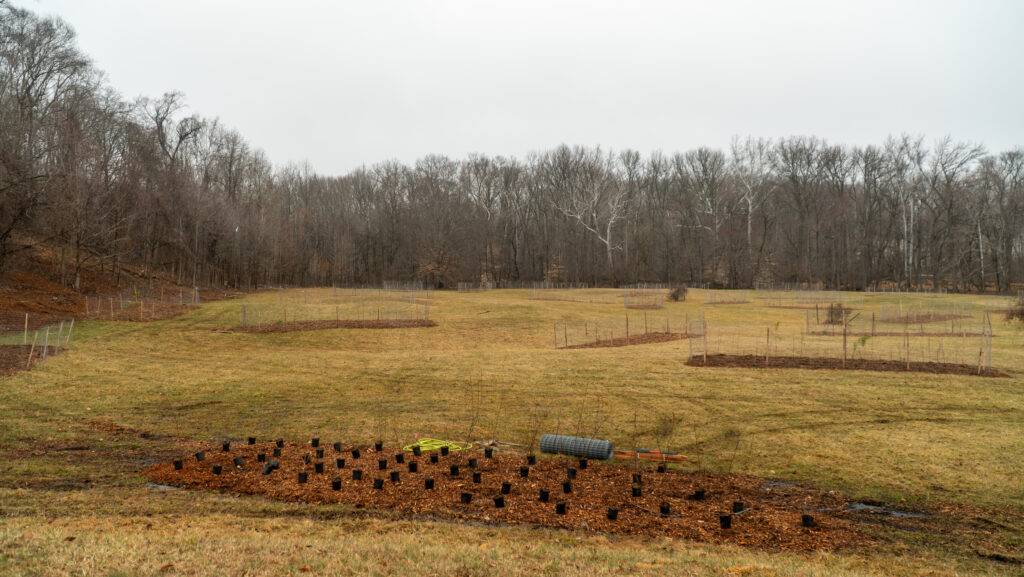
To plant these 10,000+ trees, Casey Trees is using an applied nucleation approach, planting roughly 65 carefully selected native trees in clustered patches that match the site’s soils, sun, and moisture conditions. These patches are laid out in oblong “forest islands,” and enclosed with five-foot fencing so deer are less likely to jump into the small, dense plantings. This strategy delivers many of the same ecological benefits as more intensive methods at a lower cost and with less disturbance to the existing site.
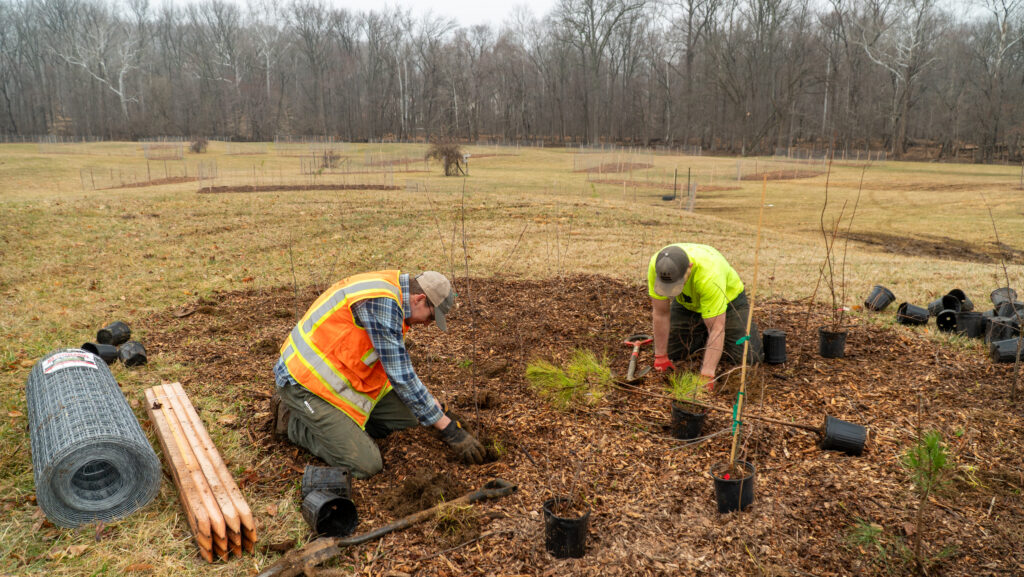
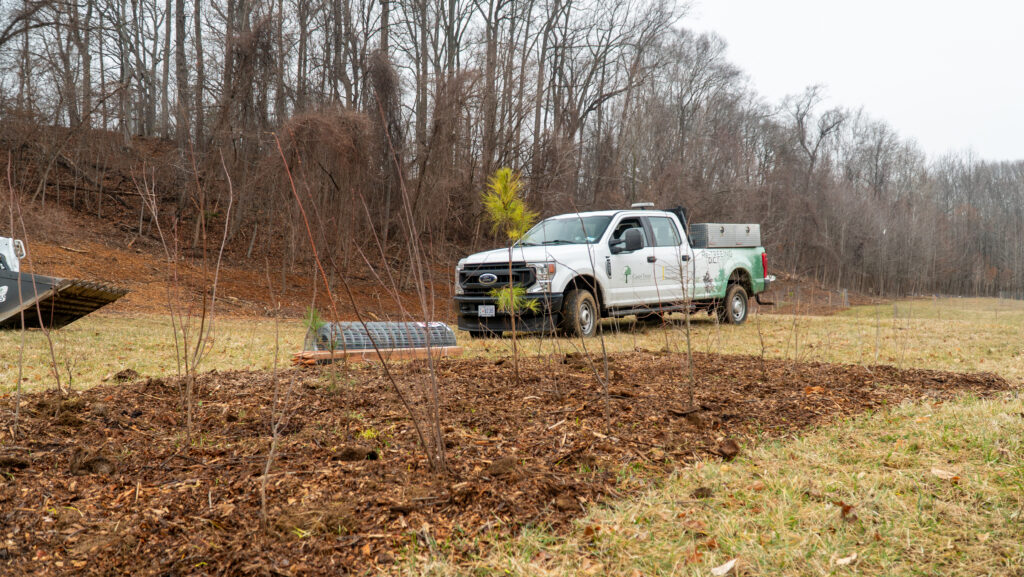
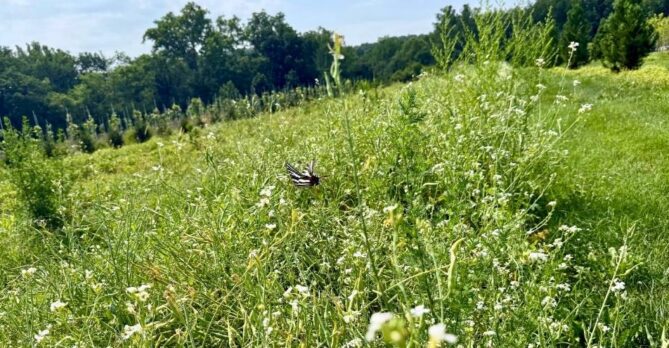
Between and around these forest patches, native trees and plants will be encouraged to emerge over time, supported by invasive-species control and targeted stewardship. As the planted patches grow, they will help seed the surrounding landscape, supporting assisted natural regeneration of oaks, sycamores, hickories, and other native trees from nearby woods, which staff will protect and allow to mature. The long-term goal is to naturalize the entire space, allowing trees and plants to regenerate naturally and turn the former fairways into a connected, resilient forest-meadow mosaic.
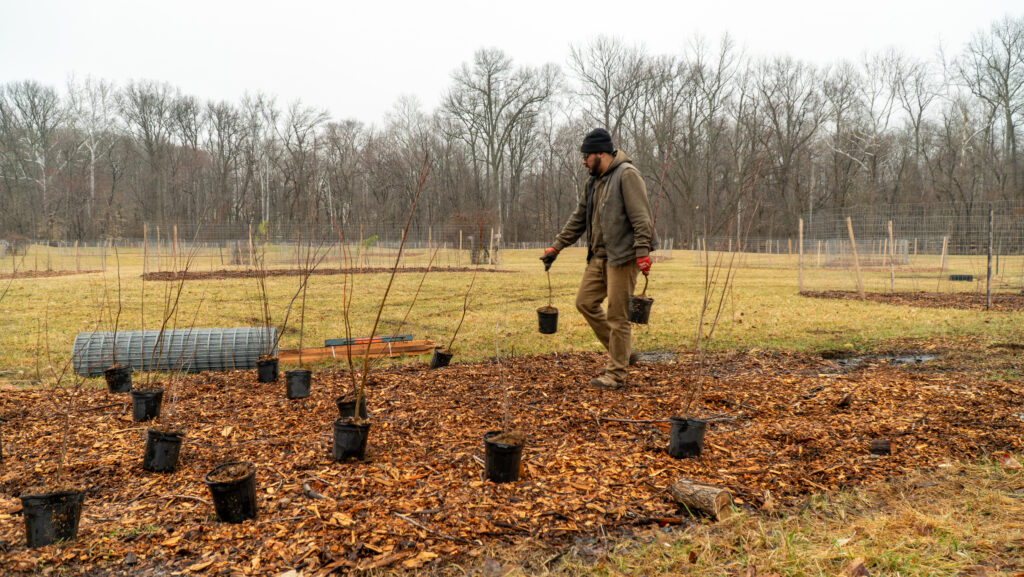
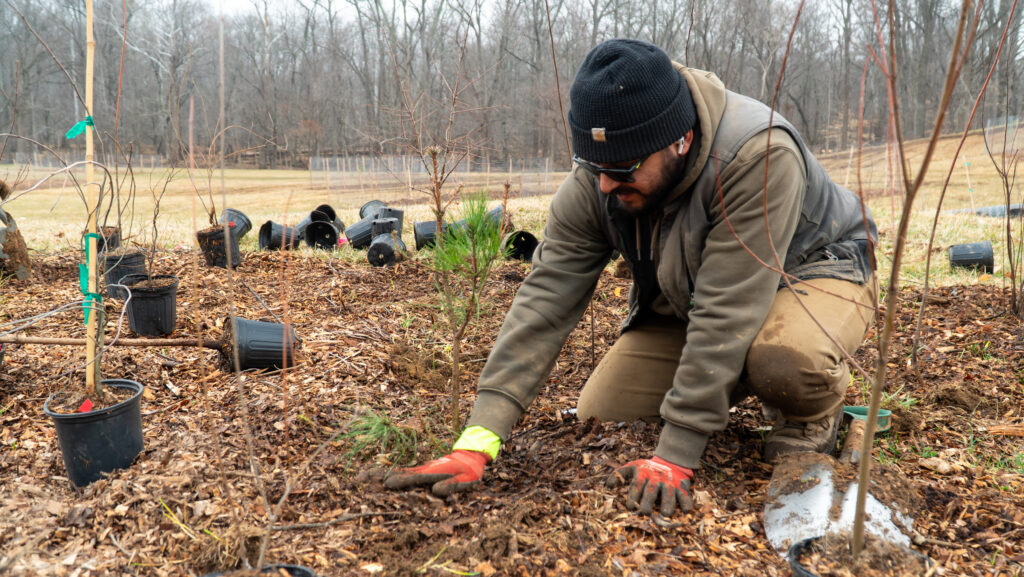
“Across the industry, there’s a lot of excitement about Miyawaki-style forests, and this approach borrows many of those principles while making them much easier to install on the ground,” said Rob Shaut, Chief Operating Officer at Casey Trees. “By clustering trees in dense patches and letting the surrounding landscape naturally regenerate, we can create similar fast-growing forest conditions without the intensive soil replacement and higher costs that often come with traditional Miyawaki projects. It is admittedly a bit more experimental, but we’re committed to giving these trees and this site the careful stewardship they need—and if it continues to perform the way we expect, it is highly scalable. We are seeing the potential for huge ecological impact at a fraction of the cost of more conventional methods.”
A collaborative effort
The restoration phase funded by this grant runs from July 2025 through June 2030 and will roll out in stages as more areas of the former course are planted and linked together into a connected forested landscape. Other elements of the Master Plan—such as community gardens and a nature-based playground—will follow, paired with ongoing community engagement to support long-term care and stewardship.
This work is rooted in collaboration: It is supported by the Chesapeake Bay Trust’s efforts to improve the health of the Chesapeake Bay, contributes to the statewide 5 Million Trees for Maryland program to expand tree canopy, and advances Casey Trees’ commitment to restoring the capital region’s canopy while conserving and protecting vital green spaces. Together, these partnerships show how community-driven planning can transform underused spaces into greener, more resilient places to live.
Dr. Jana Davis, president of the Chesapeake Bay Trust, summed up the community-focused spirit of the project: “Lasting change starts with people owning projects for their communities. The Urban Trees Program empowers more local groups with the resources they need for community-driven initiatives to expand tree canopy and create thriving green spaces to promote healthier, more resilient communities for Maryland.”