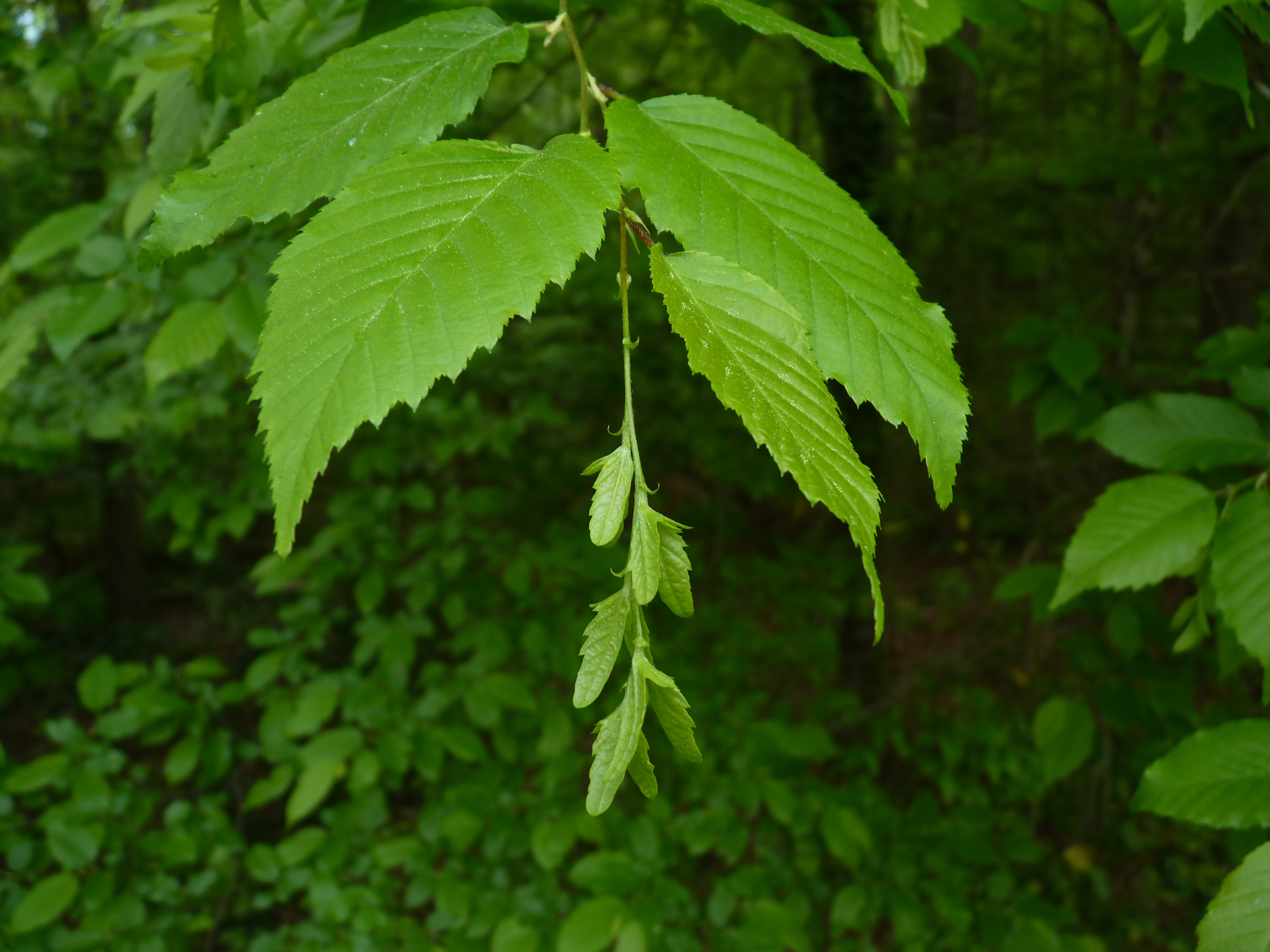
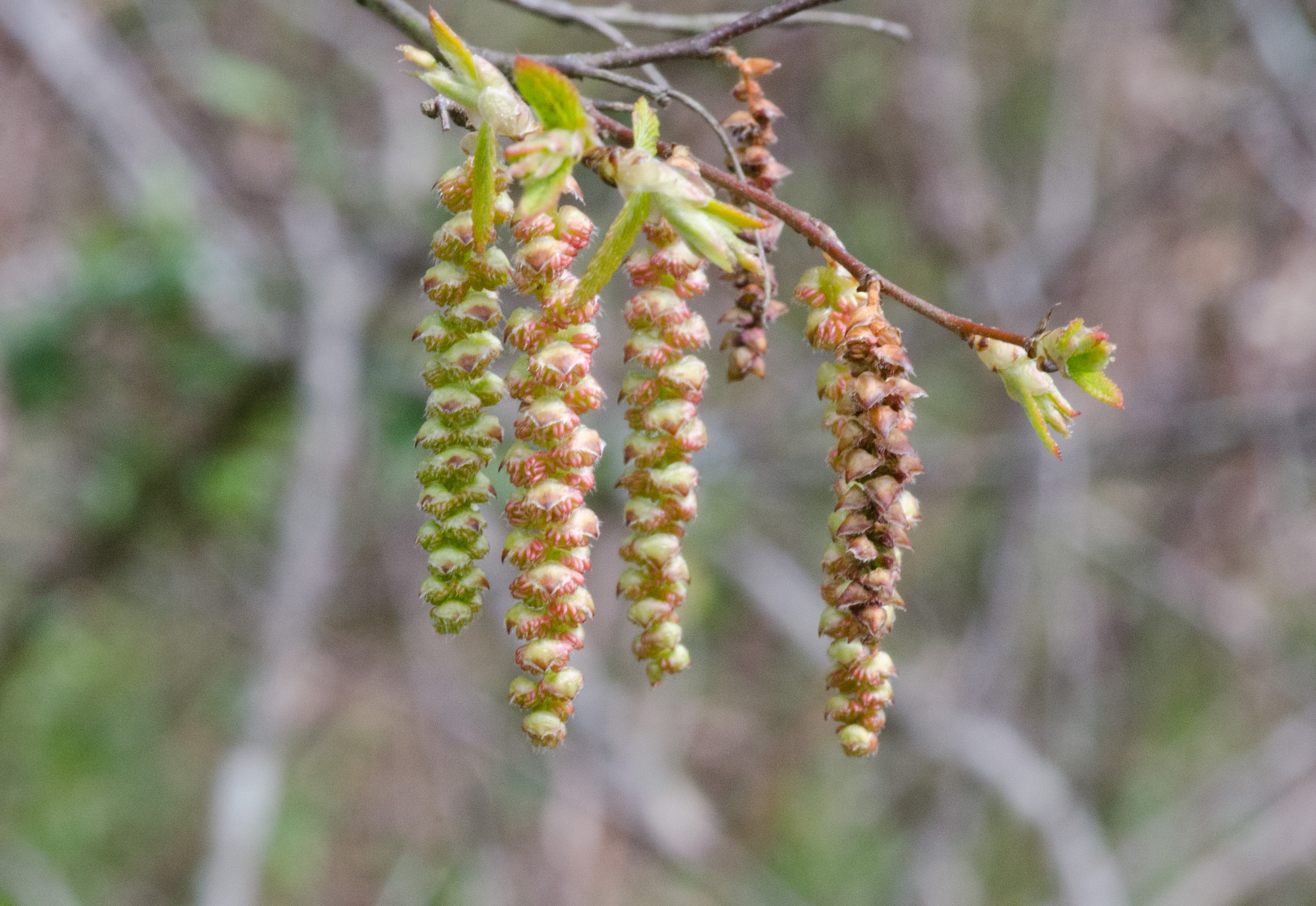
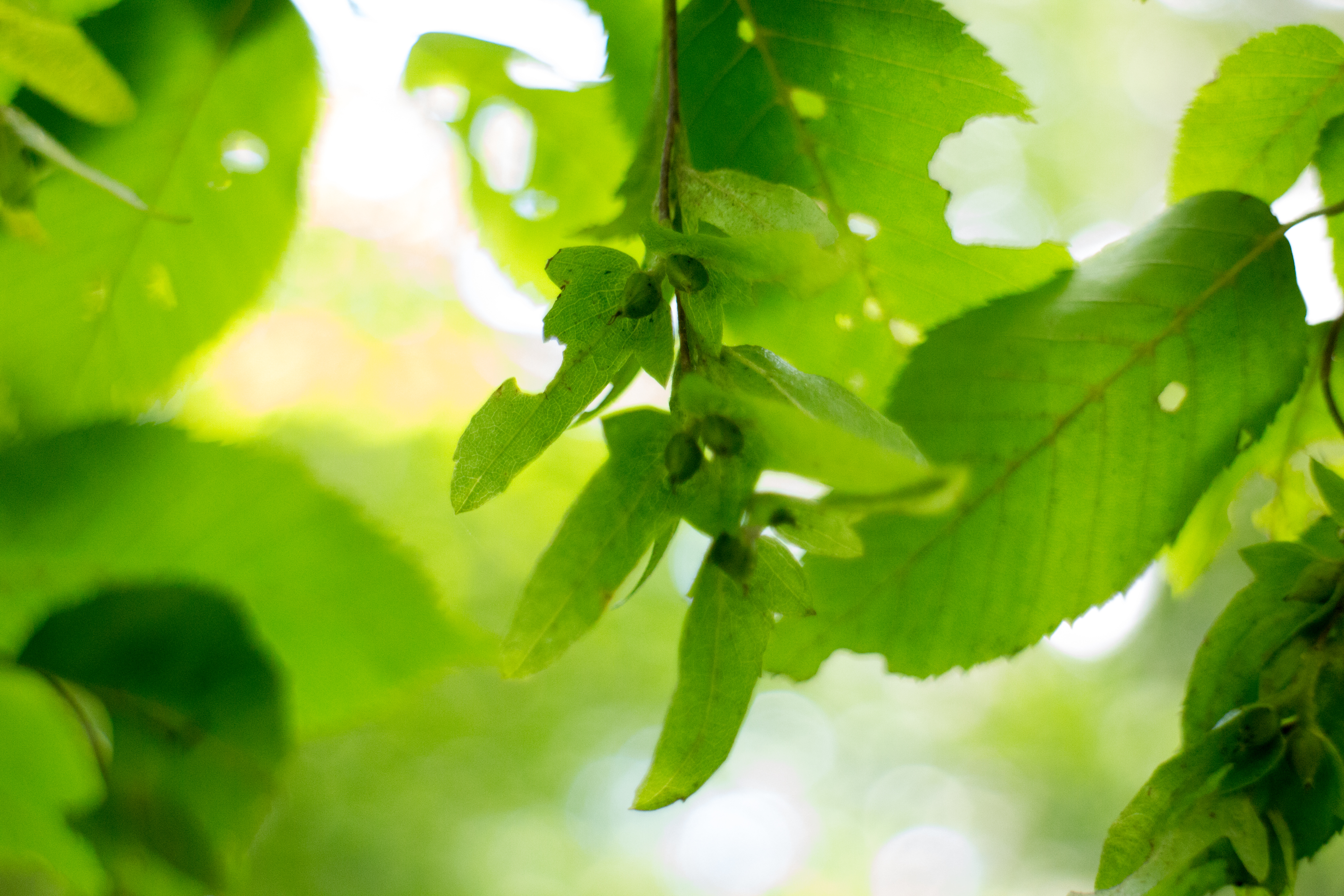
American Hornbeam
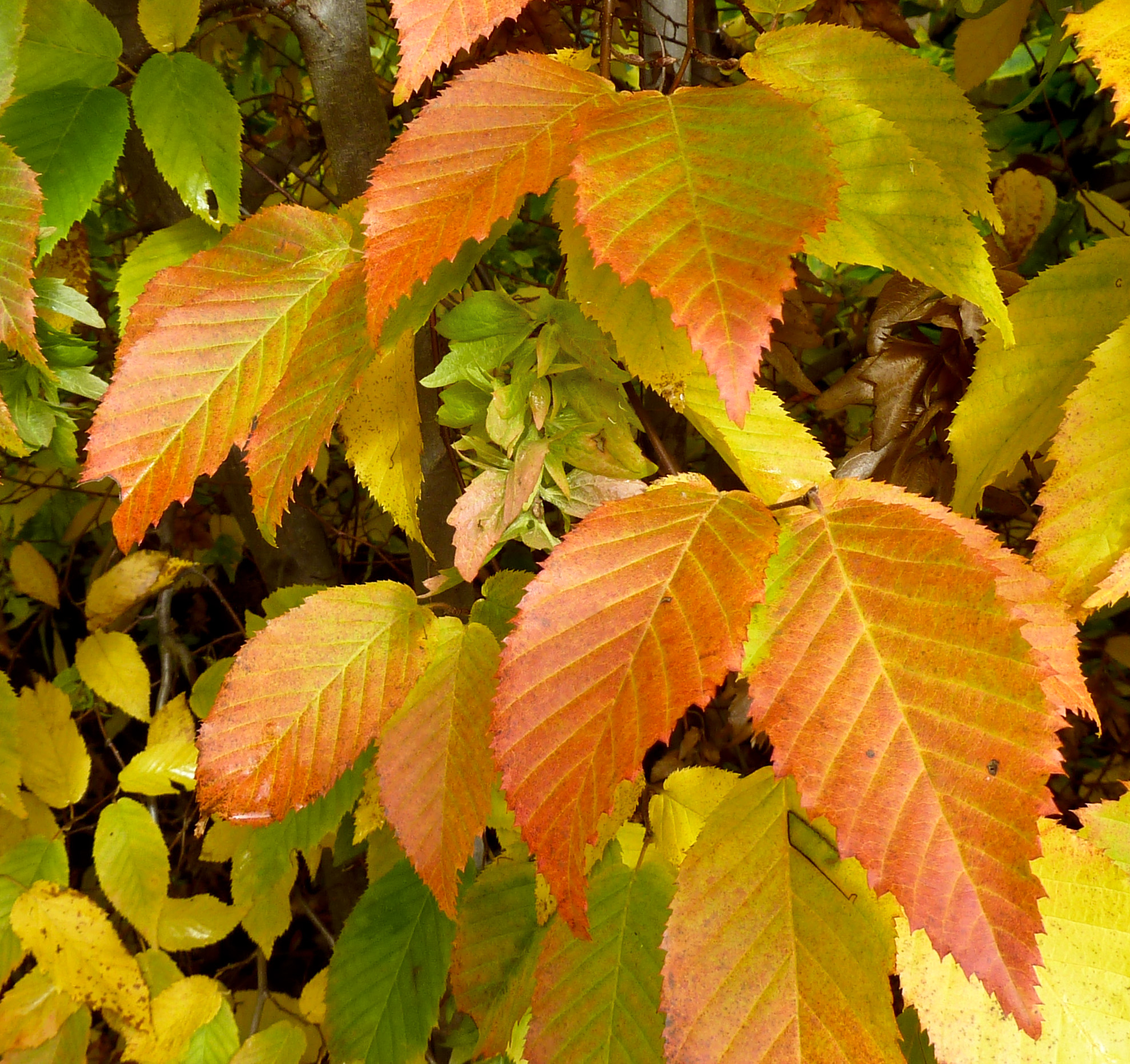
Carpinus caroliniana
Not to be confused with hophornbeam, the American hornbeam or “musclewood” is so named because of its distinct bark – smooth, bluish-gray with a muscle-like surface. Hornbeams are small trees with fine textured or “feathery” leaves, adding delight to any yard or garden.
Size and Light Requirements
The hornbeam is a small, slow-growing tree reaching 20 feet in height over a 30-year period. It prefers light shade, but will also thrive in full sun.
Plant This Tree
This tree is available through our residential planting program, RiverSmart Homes. You can also get up to $50 back for planting this tree yourself through our tree rebate program.
Find Another Tree
All the trees in this guide have been selected by Casey Trees and are well adapted to the soil and conditions present in Washington, DC.
Photo Credits
Matt Bright, Katja Schulz, NatureServe, Suzanne Cadwell, Rob Duval