View Upcoming Community Meetings, or Take the Survey
A Forest for the Neighborhood
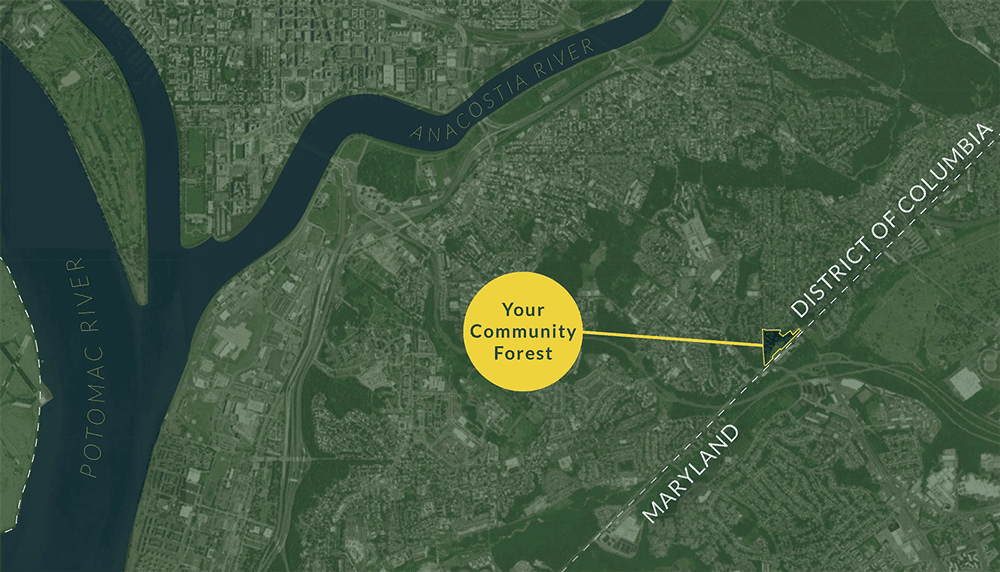
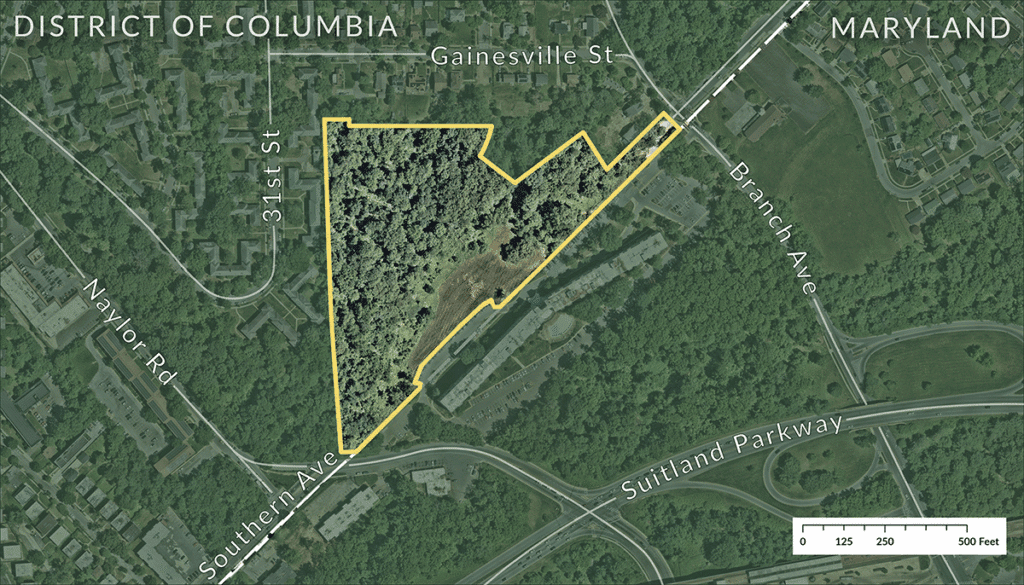
Tucked along a wooded hillside between Gainesville Street SE and Southern Avenue SE, near the DC–Maryland line, this 12-acre forest has grown quietly for generations. This includes about one acre of open green space, and 11 acres of mature urban forest.
With roughly 1,000 trees, including at least a dozen heritage trees (our city’s largest trees), this is one of the largest intact urban forest parcels remaining in the District. The forest sits at the point where the Hillcrest and Naylor Gardens neighborhoods meet, within easy walking distance of the Naylor Road Metro station.
For years, this land has been privately owned and not accessible to the general public. That is about to change, as the land will be protected and opened to the public for the first time.
KIPP DC, a local public charter school network that currently owns the land, has agreed to sell it to DC’s Department of Parks and Recreation, which, in partnership with Casey Trees, will create the city’s first new forest park in decades. Casey Trees will serve as long-term steward, protecting the trees and opening the space with and for the community The forest will remain protected forever, while becoming a place the community can help shape, care for, and enjoy.
What Could This Place Be?
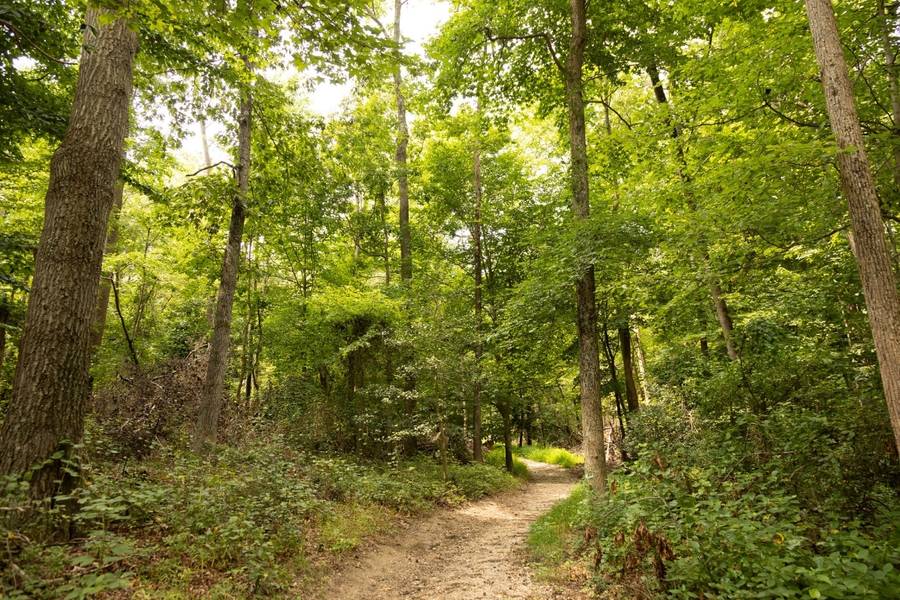
The forest will stay protected as a forested green space, but there is room to make it more welcoming and useful to the neighborhood.
Ideas Raised So Far
- Nature trails & walking paths for families and seniors
- Nature play areas for children
- Spaces for environmental education and youth programs
- Food forest
- Features to help reduce neighborhood flooding and provide a respite from extreme heat
- Quiet, shaded spots for rest and reflection
Nothing on this list is decided. You may have ideas that aren’t here at all. Community input will shape what comes next.
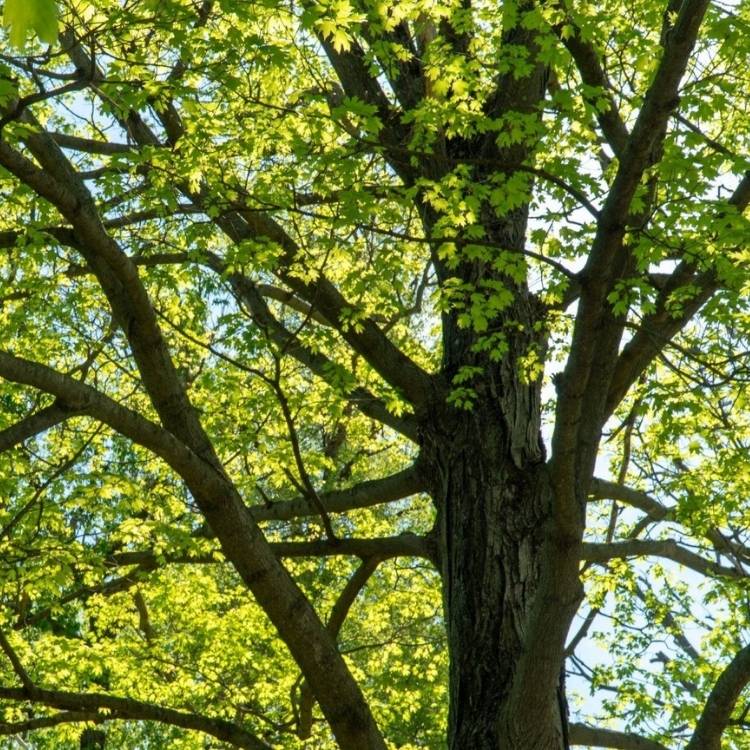
Take the Survey
Your feedback helps us understand what matters most to you about this project.
The survey should take 5-10 minutes to complete.
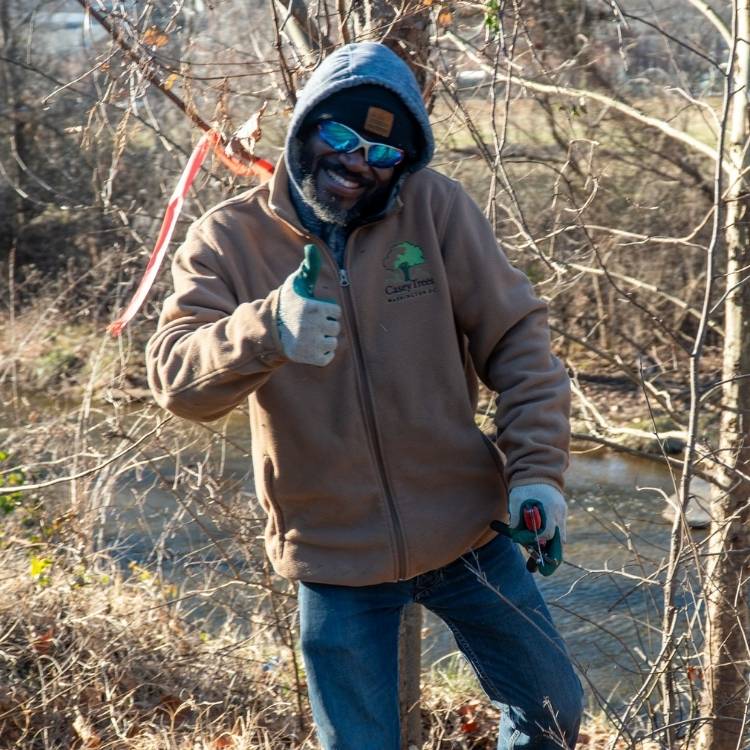
Sign up for Updates
Want to be informed about project updates, events, and other ways to get involved?
Sign up for updates at the link below.
WHY THIS FOREST MATTERS
This is a rare opportunity. Urban forests of this size and maturity almost never become available for conservation—and once they are developed, they are gone forever.
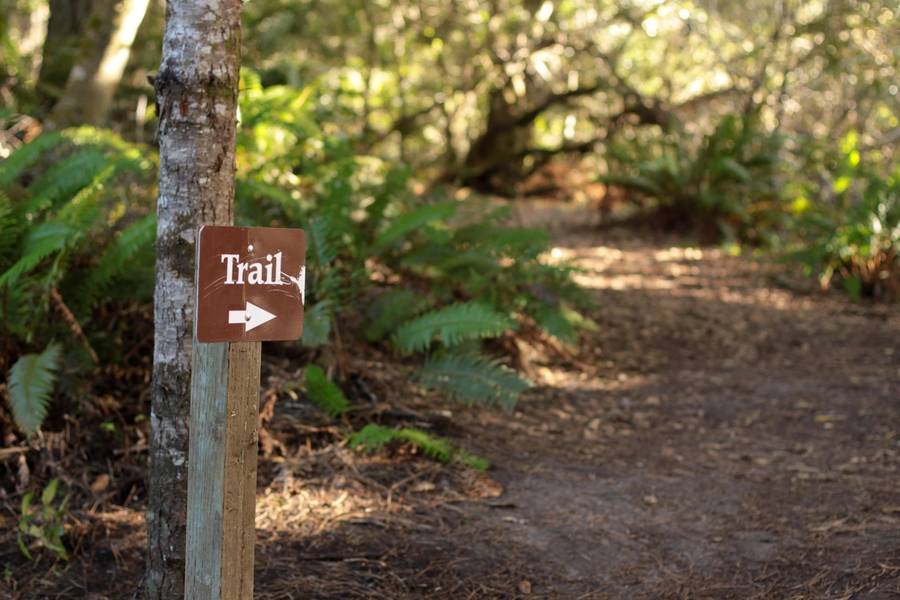
A NATURAL OASIS FOR RECREATION
Our communities deserve safe access to green space and nature. While no trails or entrances currently exist, opening the forest park to recreation will give neighbors more opportunities to gather, exercise, and relax.
Reduces Flooding
Ward 7 experiences more flooding than any other DC ward and has seen significant tree canopy loss in recent years. Preserving this forest helps manage stormwater and reduce flooding for surrounding neighborhoods.
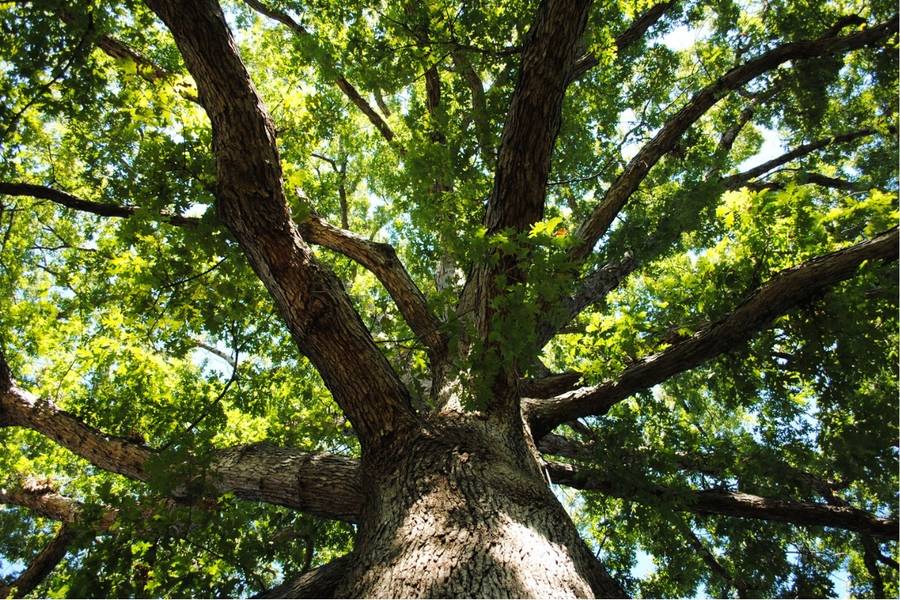
Cools OUR NeighborhoodS
Mature forest canopy naturally cools the surrounding air, lowering neighborhood temperatures. Keeping this land as green space can help cool the neighborhood, absorb stormwater, support wildlife, and improve air quality.

Cleans the Air
Wards 7 & 8 have the highest rates of air pollution and asthma, as well as the highest development pressure in the District. This forest serves to benefit both communities, as well as neighboring residents of Prince George’s County.
The Process
No decisions have been made about what this community forest will look like or how it will be used. That part comes next—and it starts with hearing from you.
Casey Trees is leading a community engagement process, and it moves in three stages:
1. Listen 💬
Small-group conversations, volunteer opportunities, and community design workshops to hear what matters most to residents.
2. Plan Together 📝
Build a community-driven vision for what goes into the site, how it is cared for, and who stays involved over time.
3. Make it Happen
Work with partners to secure funding and open the forest park as a safe, welcoming space for the neighborhood. Some features like trails could be added immediately; others will take more time. Public access is expected to open in 2028.
There will be options for events held in the evenings and on weekends, in multiple languages, and with childcare provided. If you’d like to share your thoughts, but can’t find an opportunity that works for you, please get in touch–we want to hear from you.
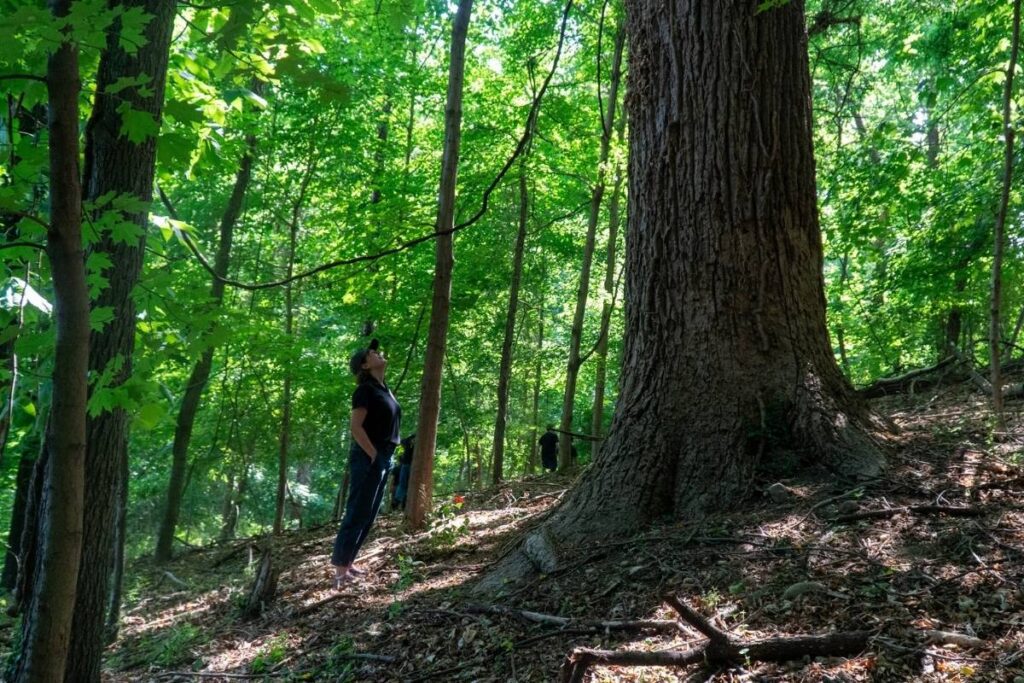
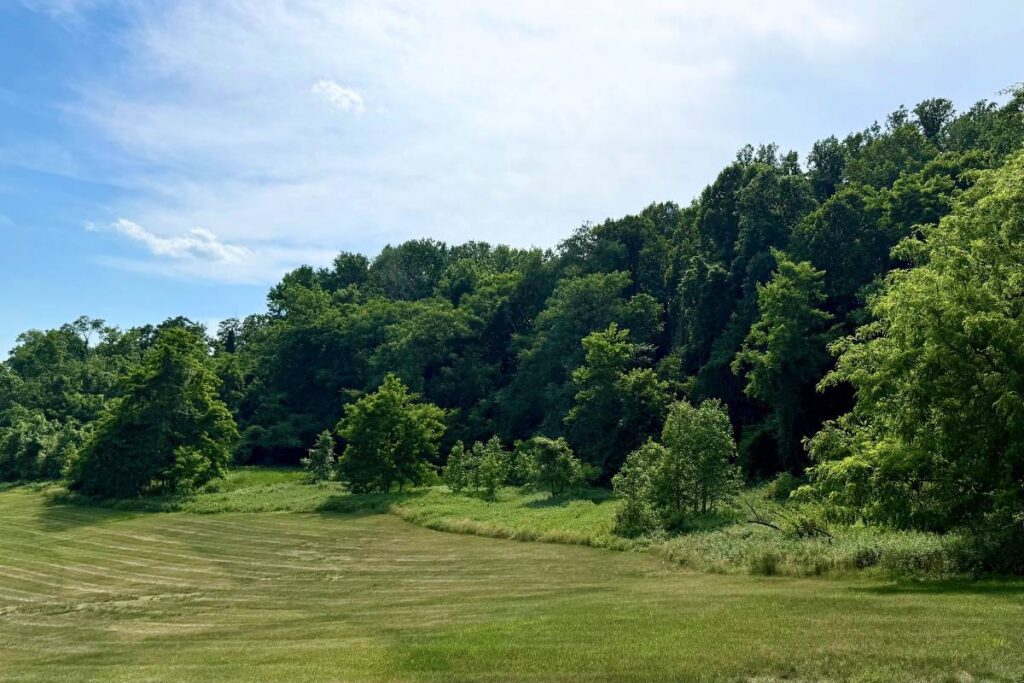
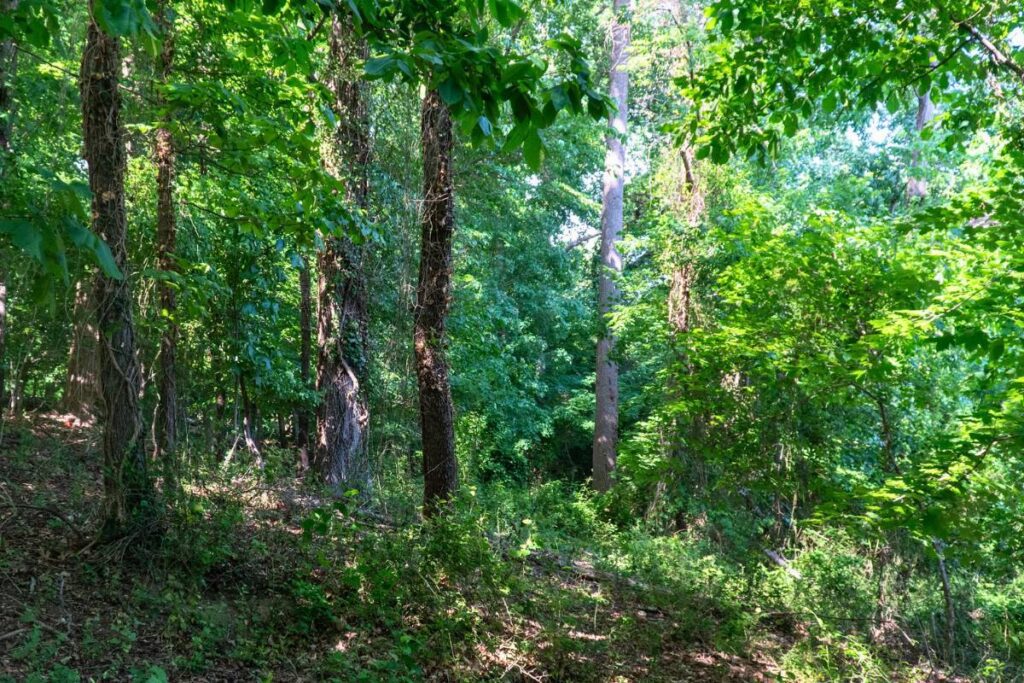
See the Forest
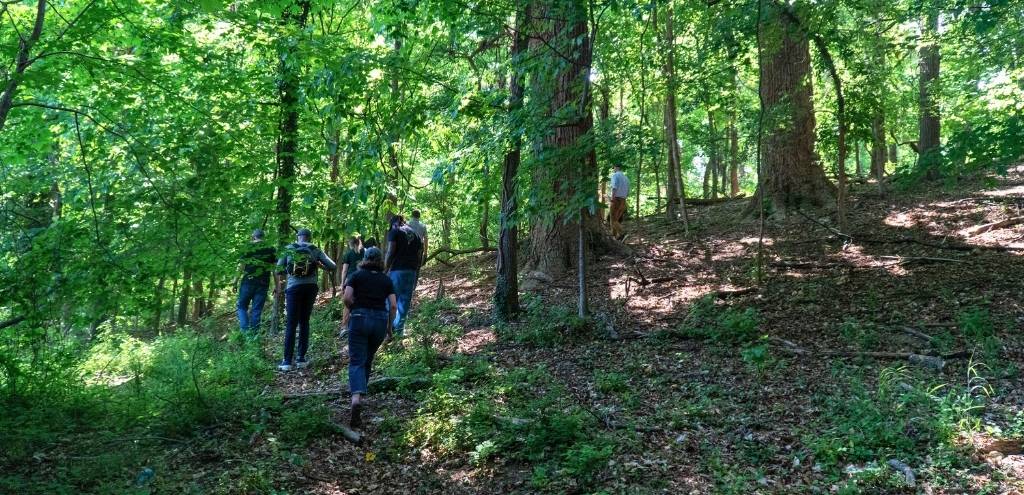
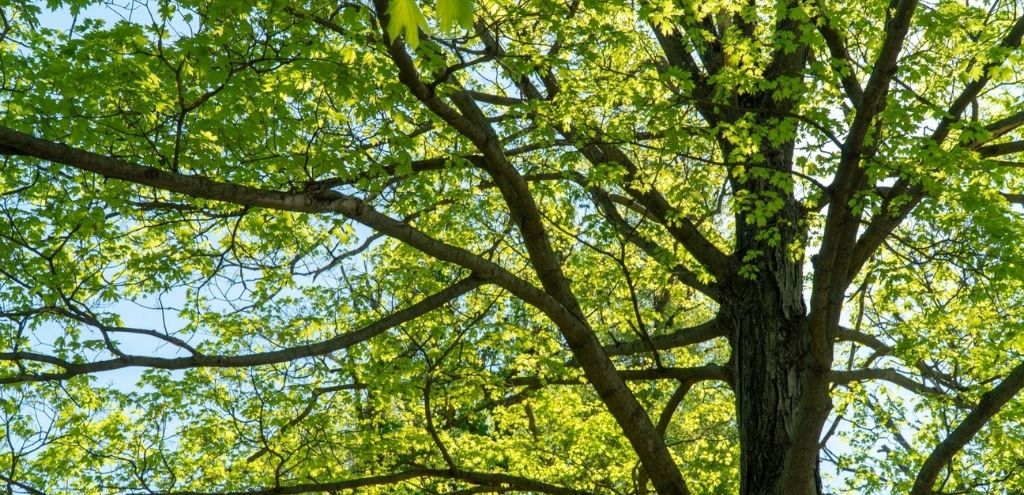
Take a look at what the forest looks like today.

WHO IS INVOLVED?
Project Leader
Casey Trees
Accredited land steward–protecting and managing the forest and leading community engagement.
Our Partners

Trust for Public Land
Project support–facilitating the real estate transaction.
DC Department of Parks & Recreation
Future land owner–acquiring the land.

KIPP DC
Current land owner–making this project possible.
Your Voice Matters. Share Your Ideas.
The community engagement process is just getting started, and your input and ideas are the heart of this project. Whether you have a question, a vision for what this space could be, or simply want to stay informed, we want to hear from you.
Take the Survey
Your feedback helps us understand how you enjoy spending time in nature and what matters most to you. The survey should take 5-10 minutes.
Upcoming Events
Share your ideas and feedback about what this community forest could be.
- PAST:
Saturday, August 22, 10 AM to 11 AM, at Hillcrest Recreation Center - PAST:
Thursday, August 27, 11 AM to 2 PM, at the Starbucks at Skyland Town Center (2800 Alabama Ave SE) - Friday, September 25, 10 AM to 12 PM, Invasive Vine Removal at Hillcrest Rec Center (Sign up here)
- Monday, September 28, 5 PM – 7 PM at the Skyland Town Center Starbucks (2800 Alabama Ave SE)
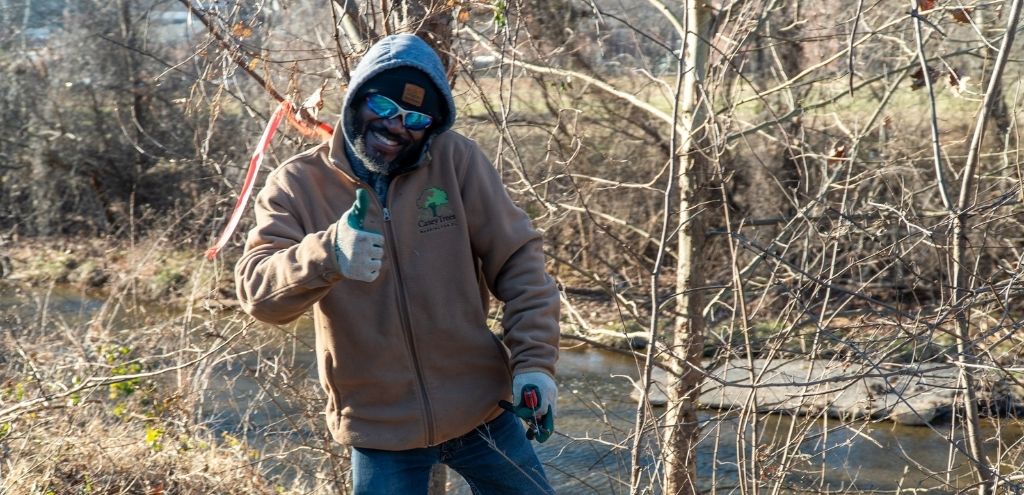
- Monday, October 12, 10 AM to 1 PM, Neighborhood Invasive Vine Removal in Hillcrest (Sign up here)
- Monday, October 26, 10 AM – 12 PM at the Skyland Town Center Starbucks (2800 Alabama Ave SE)
Sign up for Updates
Want to be informed about project updates, community meetings, and other ways to get involved? Sign up for updates at the link below.
Frequently Asked Questions
Questions? Take a look at the answers below or send an email to Conservation@CaseyTrees.org
About the Project
-
What is the project?
-
It is a new public forest park being created on the Ward 7/Ward 8 border, near the Naylor Road Metro station. The project will permanently protect more than 12 acres of mature urban forest and open green space, opening it to the public for the first time.
-
Where exactly is the forest?
-
The forest is tucked along the wooded hillside between Naylor Road, Gainesville Street and Branch Avenue Southeast — within easy walking distance of the Naylor Road Metro station.
-
Who owns the land right now?
-
KIPP DC currently owns the land. The DC Department of Parks and Recreation is in the process of purchasing it to make it a public community forest.
-
Is the purchase finalized?
-
The purchase is underway and expected to be complete by the end of 2026 or early 2027.
About the Forest
-
How big is the forest?
-
The property is approximately 12.5 acres total, with roughly 11 acres of mature forested hillside. It contains approximately 1,000 trees, including more than 12 heritage trees. It also includes over an acre of open green space that could be used for recreation, education, or other community priorities.
-
Will the trees be protected permanently?
-
Yes. The purchase is partially funded by a federal grant that requires that the land be exclusively —and permanently — for recreation and conservation. The DC government will be the official property owner, but Casey Trees will be responsible for long-term stewardship and property management, ensuring the forest thrives for decades to come.
-
Is the forest healthy?
-
The forest is mature and intact, which is what makes it so valuable to the ecosystem and surrounding community. It does contain some invasive plant species that will need to be managed over time. A formal study of the forest’s trees, soil, and water flow is currently underway before any planning begins.
-
How will the site be secured?
-
Like many parks, the site will only be open from dawn to dusk. Late-night/overnight use will not be allowed. With active stewardship and community participation, the site will be regularly monitored to stop illegal dumping or camping. The more community members who keep their eyes on the green space, the better for everyone!
About the Planning Process
-
Have any decisions been made about what will go in the forest park?
-
No. The community engagement process—which will determine what amenities and features are included—has not yet begun in earnest. Your input will shape it from the start.
-
What will the forest park be called?
-
You get to help decide! As part of the planning process, the community will help identify a name they are proud of.
-
What kinds of uses are possible?
-
Because federal conservation funding is involved, the land must remain green space—which means no buildings or major development. Within that, there is real room for trails, nature play areas, gathering spaces, stormwater features, and programming. Community input will shape the vision.
-
When will the forest be open to the public?
-
There is no confirmed opening date yet. The land acquisition must be completed first. We are starting the community planning process in 2026; design and implementation will follow. We will share a timeline as it develops.
-
Will I be able to participate in the planning even if I’ve never been to a community meeting before?
-
Absolutely. Participation may include forest walks, informal small-group conversations, workshops, and surveys, at times and locations that work for working families. No experience or background knowledge is required.
-
Who does this project serve?
-
The forest sits on the border of Hillcrest/Naylor Gardens (Ward 7), Buena Vista (Ward 8), and Prince George’s County, Maryland. It is designed to serve all three communities, which have different histories, experiences, and needs. Making this space genuinely welcoming to everyone is a core goal of the planning process.
-
Will there be jobs or paid opportunities for community members?
-
Paid stewardship opportunities for residents are among the ideas being explored. Nothing is decided yet, and community input will help determine what those opportunities look like.
-
Will this lead to gentrification or displacement?
-
The goal of this project is conservation and community benefit — not development. The land will be permanently protected as green space and cannot be converted to other uses. Casey Trees is committed to a community engagement process that reflects the neighborhood’s history and ensures the benefits are shared equitably.
-
How can I stay informed?
-
Sign up for updates using the form below, or contact Casey Trees directly at conservation@caseytrees.org, or caseytrees.org.