If you have noticed increases in your utility bills, you’re not alone…
Many DC residents have seen their heating and cooling bills double, triple, and even quadruple in the last five years. Just in the last year, electric bills went up an average of $20.81 per month, per resident, while gas bills rose an average of $15.33 per month – both utilities saw an increase of almost 18%.
Rising energy costs have come up at nearly every DC council oversight hearing in the last month. A myriad of factors contribute to rising costs, including regional energy demand, power-hungry data centers, price hikes, less federal investment in clean energy, upgrades to utility infrastructure, and the weather. After a hot, humid summer and a record-setting cold winter, DC residents are feeling frustrated by higher bills, and it can feel like utility companies (and Mother Nature) are giving them the cold shoulder. Residents are awaiting several actions by the DC Council and local utilities to implement better energy-efficiency policies and lower costs.
While many of these actions are out of our hands, there are several ways DC residents can make a positive environmental impact while lowering their energy bills. One surprising strategy is to look to the trees for some stealthy energy-saving strategies.
Trees are more than beautiful additions to our landscapes; they are powerful allies in cutting energy costs year-round. By providing shade, blocking wind, and cooling the air, they reduce the need for heating and cooling in homes while delivering massive savings for entire cities.
Trees Cool Us in the Summer
In hot months, trees act like natural air conditioners by providing shade and cooling the air. When planted in the right place, they can block sunlight from hitting your home, keeping it cooler inside and slashing air-conditioning use by up to 30%. For a typical homeowner, this can translate to saving hundreds of dollars each year.
All those small savings add up. Collectively, DC’s tree canopy saves residents $4.2 million in energy costs. Trees help not just individual homes, but the whole community and environment.
Urban forests combat the “heat island effect,” where cities can run up to 20 degrees hotter than rural areas due to the heating of concrete and other impervious surfaces. On the hottest days, this can make cooling costs spike. Studies have found that neighborhoods with at least 40% tree coverage can be up to 9 degrees cooler. Trees help lower peak temperatures, reduce strain on the power grid, and cut overall energy use, both at the residential level and citywide.
Trees Warm Us in the Winter
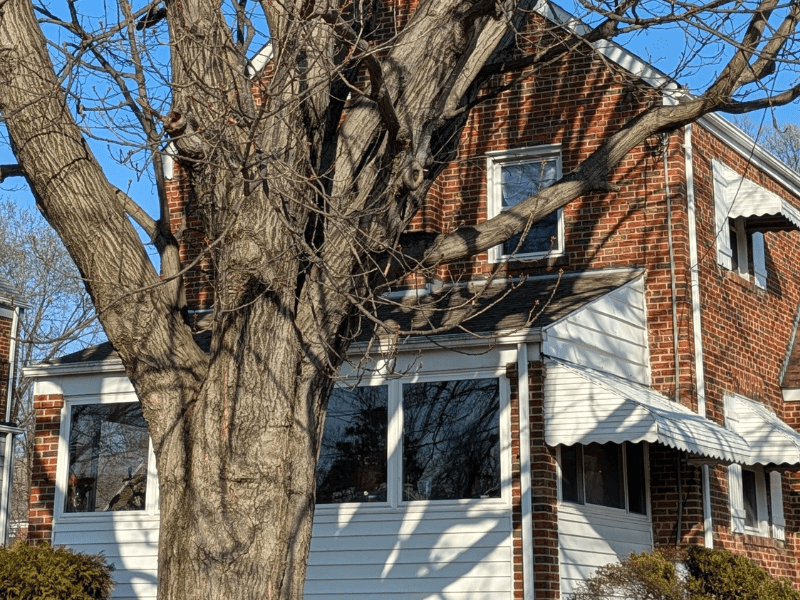
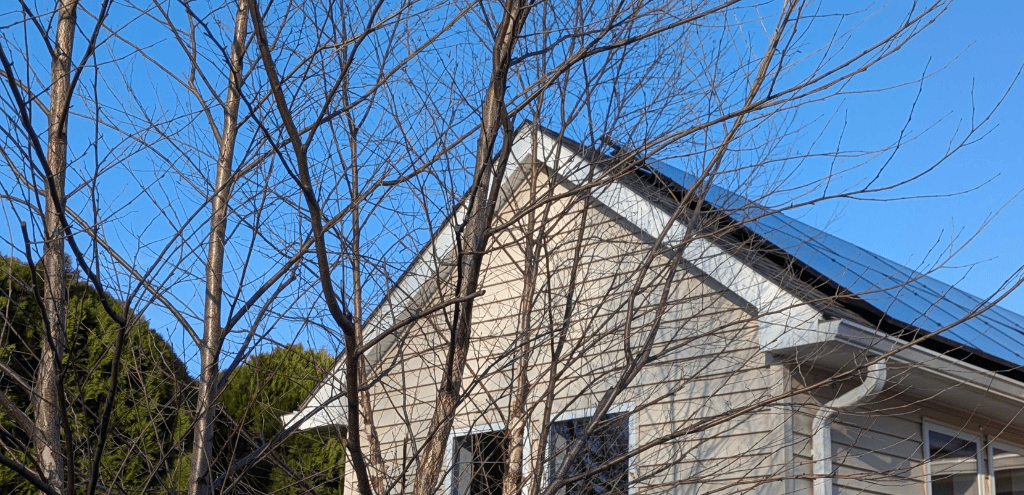
Trees do more than provide summer savings. In the winter, they can cut heating costs by up to 10%, with some studies showing savings of up to 30%. Deciduous trees, which lose their leaves in fall and winter, shine in colder seasons by letting sunlight warm your home while their bare branches act as windbreaks, slowing wind speeds and preventing cold air from entering through windows and doors.
Evergreen trees, if strategically placed on the north and west sides of the home, can block harsh winter winds and act as insulation, sometimes making them as effective as added home insulation or new windows. Thinking of trees as a type of weatherization for a home can be an innovative and effective way to lower energy costs in winter and stay warm.
Well-placed Trees for Maximum Energy Savings
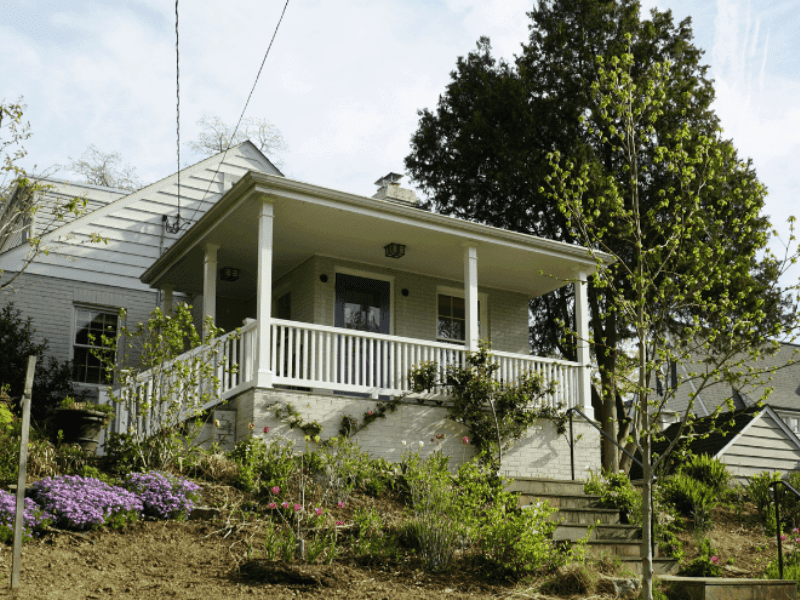
A well-placed tree around a home can dramatically improve energy efficiency while making the property more beautiful and comfortable year-round, without interfering with other sustainable solutions, like solar energy. Large deciduous trees, such as oaks, maples, and elms, are especially effective when planted on the south and west sides of a home. Their broad, thick canopies block the strong summer sun, shading roofs, walls, and windows and keeping your home cooler. In winter, these trees lose their leaves, letting sunlight warm your home naturally. It’s a simple, natural way to control your home’s temperature without using energy.
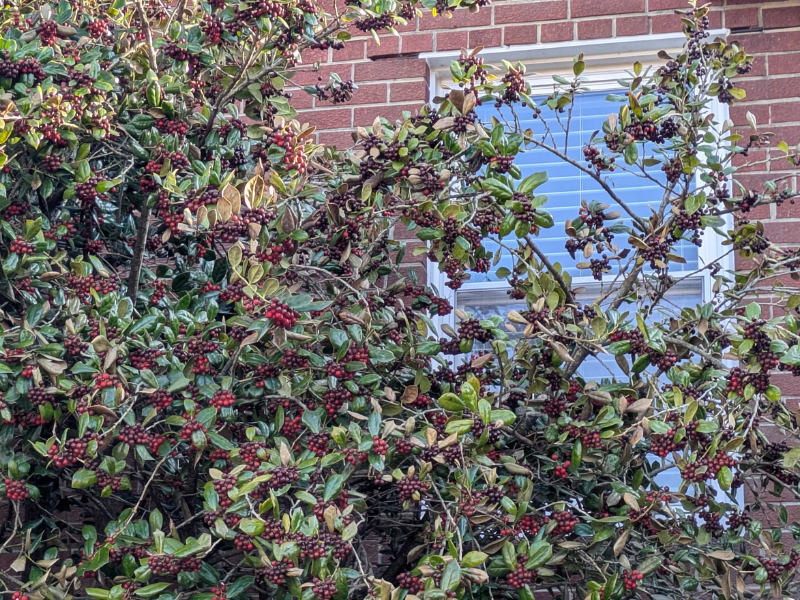
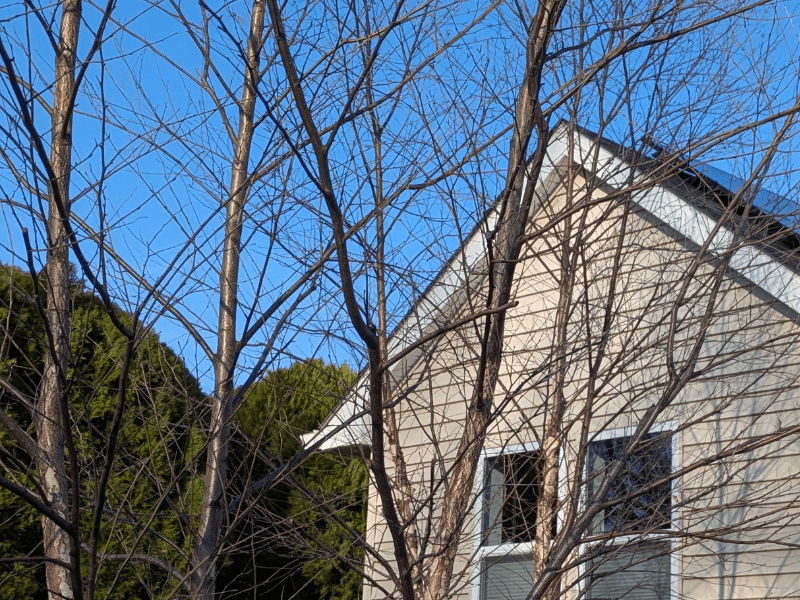
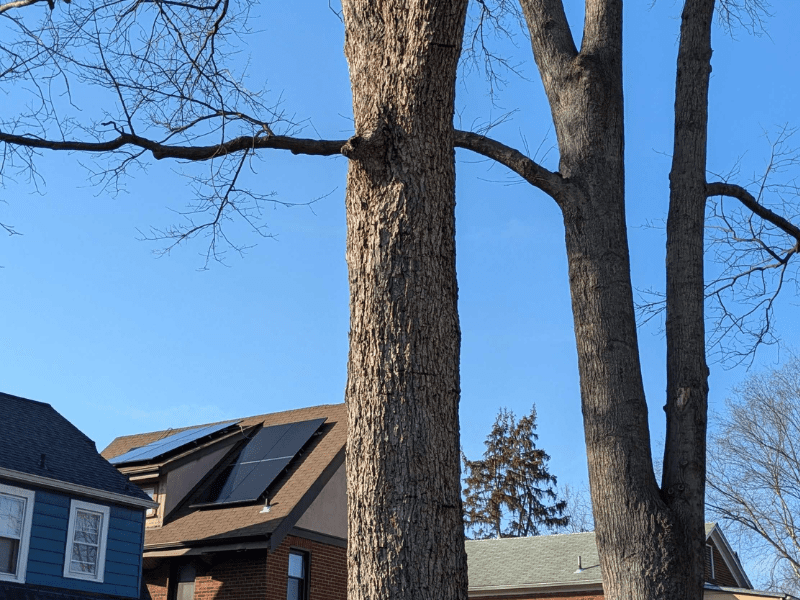
Where space is limited or overhead lines prevent the use of large trees, smaller or medium-sized species can still make an important difference. Planted near windows, these trees block summer heat but let sunlight in after they lose their leaves in winter. On the north and west sides, evergreen trees like American Holly, Southern Magnolia, and Eastern Red Cedar can serve as natural insulation, forming a living windbreak that blocks cold winter winds. In a region like Washington, DC, where prevailing winds often blow from the west, combining deciduous shade trees with evergreen windbreaks is one of the most effective and environmentally friendly ways to cut heating and cooling costs year-round.
Beyond Trees
Trees are only one part of making energy more sustainable and affordable. Residents can take other simple steps to cut energy use, keep utility bills in check, and make their homes healthier.
Weatherizing your home is one of the most cost-effective ways to start. Cracks around windows, doors, and attics can leak a surprising amount of air–almost like leaving a window open all year. Sealing these gaps with caulk or weatherstripping, adding attic or wall insulation, and ensuring ducts and vents are well-sealed can make a big difference in comfort and cost.
Homeowners can still take advantage of free solar installations through the end of 2026, helping reduce both their energy use and utility bills. For those able to invest in owning their panels, solar can save you money in the long run. Rooftop panels, and soon even small “balcony solar” systems, can help lock in lower electricity costs and reduce dependence on fossil fuels. The DC Sustainable Energy Utility (DCSEU) also offers no-cost rooftop solar for DC residents who qualify for the District’s “Solar for All” program.
Additionally, when it’s time to replace major appliances like HVAC systems or water heaters, switching to efficient heat pump models can dramatically lower your energy use. The DCSEU also offers rebates for electrification services and energy-efficient home appliances, including heat pumps, refrigerators, stoves, dehumidifiers, lawn mowers, and personal computers.
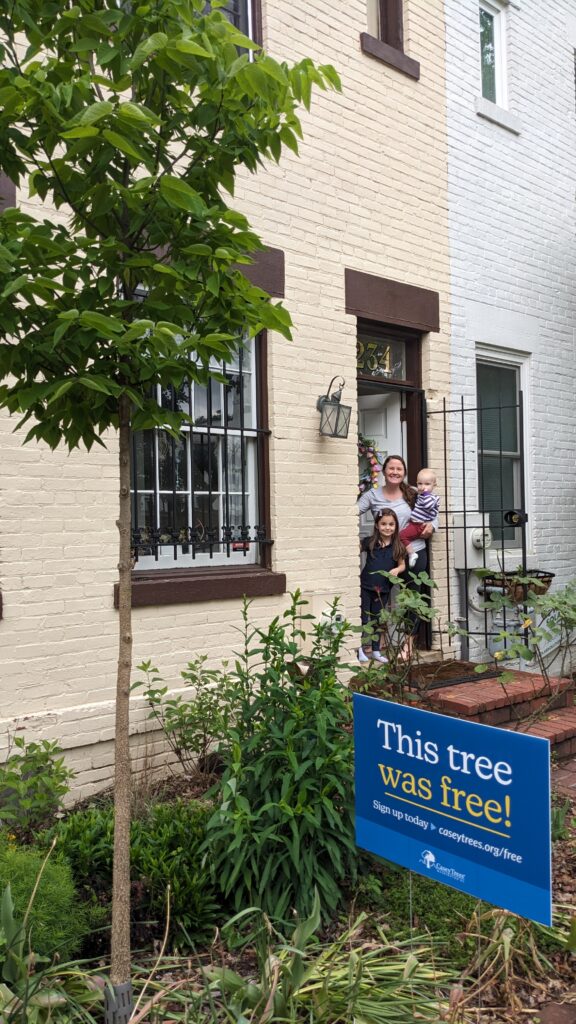
For more guidance, visit ElectrifyDC’s website or the DCSEU’s Resource Library to see all the ways to save on your energy and make a positive environmental impact–including planting trees. And in case you didn’t know, Casey Trees plants free trees for all DC residents!
Want to see these solutions firsthand? Visit us at the Healthy Homes Fair on Saturday, March 21, 2026, a FREE, fun, and family-friendly event for residents across the region to see these sustainable solutions in person. Casey Trees will also be giving away free Eastern Redbud trees, while supplies last!