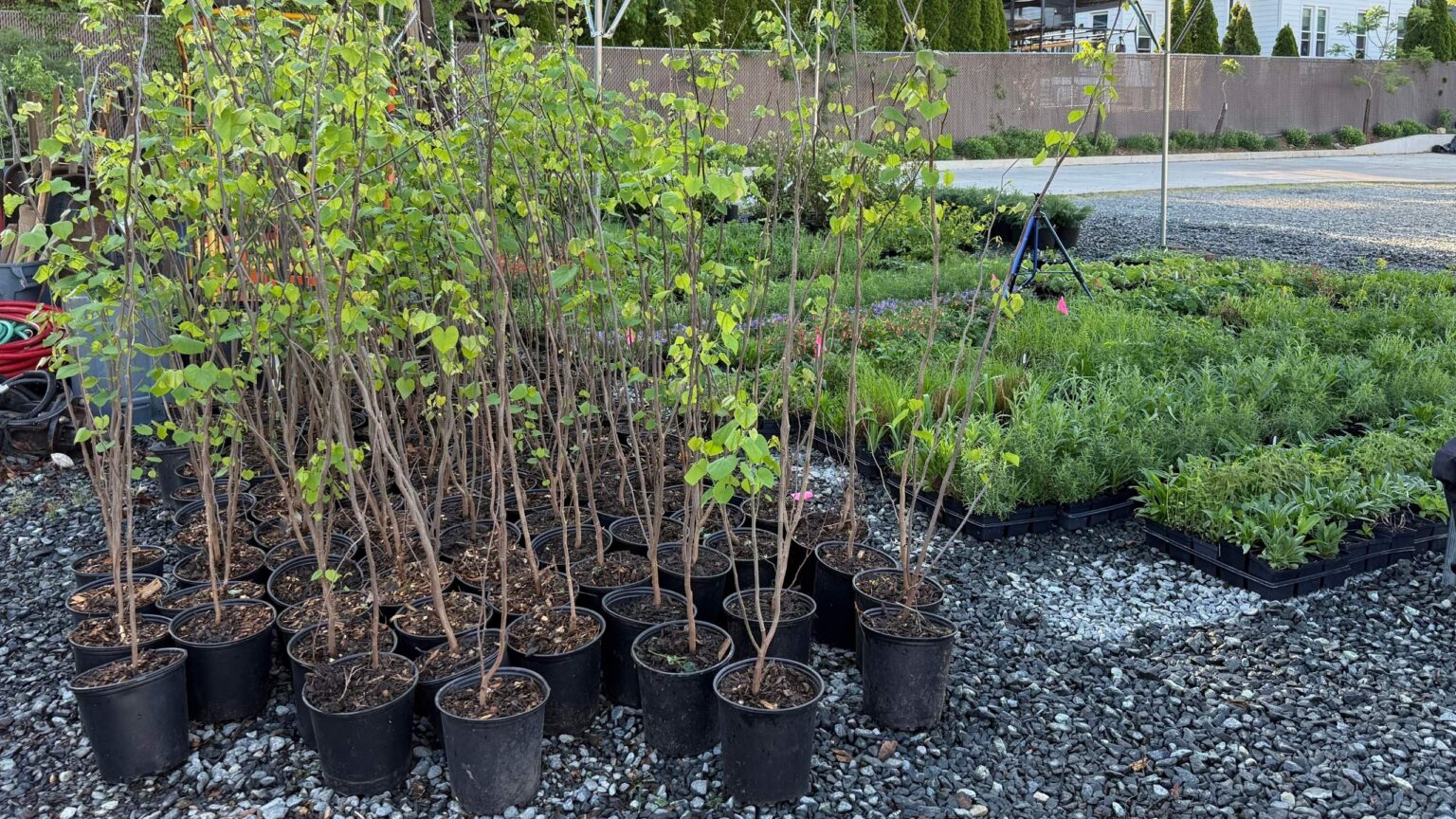
Congratulations on your new tree! Take a look below for a video and instructions on planting a tree. If you have any questions, please contact us at friends@caseytrees.org.
How to Plant a Tree
Now that you have your tree in hand, watch our video tutorial on how to best plant it.
En español: Cómo plantar un árbol
- DIG A HOLE: The hole should be the same depth as the root ball and twice the width. You can test the depth by placing the tree into the hole and checking against the ground level. Save the soil to fill the hole with later by shoveling it onto a tarp.
- PREPARE THE TREE: Remove the tree from the container by pressing on the sides of the container and gently wiggling until the entire root ball is out of the bucket. Remove any girdling or circling roots with sharp hand pruners; gently massage and loosen the root ball with your fingers.
- PLANT: Place the tree in the hole and backfill with the same soil you dug out. Softly tamp the soil down with your foot as you go. Ensure that the root flare (wider zone at base of trunk) is exposed; bring soil up to this point and no higher.
- MULCH: Apply about 2-3 inches of wood or leaf mulch in a ring around trunk, tapering at base and leaving root flare free of mulch.
- WATER: Water slowly immediately after planting and every day for one week thereafter, making sure the water fully soaks into the ground and doesn’t run off. Then, water at least once a week when there isn’t at least 1.5 inches of rainfall. Check out caseytrees.org/water for more watering tips!
HOW TO CARE FOR YOUR TREE
Young trees need consistent attention during their first few years to overcome stress and develop sturdy roots. Learning the basics of watering, weeding, mulching, and monitoring growth helps your tree get a healthy start and increases its chances of thriving long-term.
Want to learn more about young tree care? Visit our young tree care page for more guidance.
ABOUT THE EASTERN REDBUD
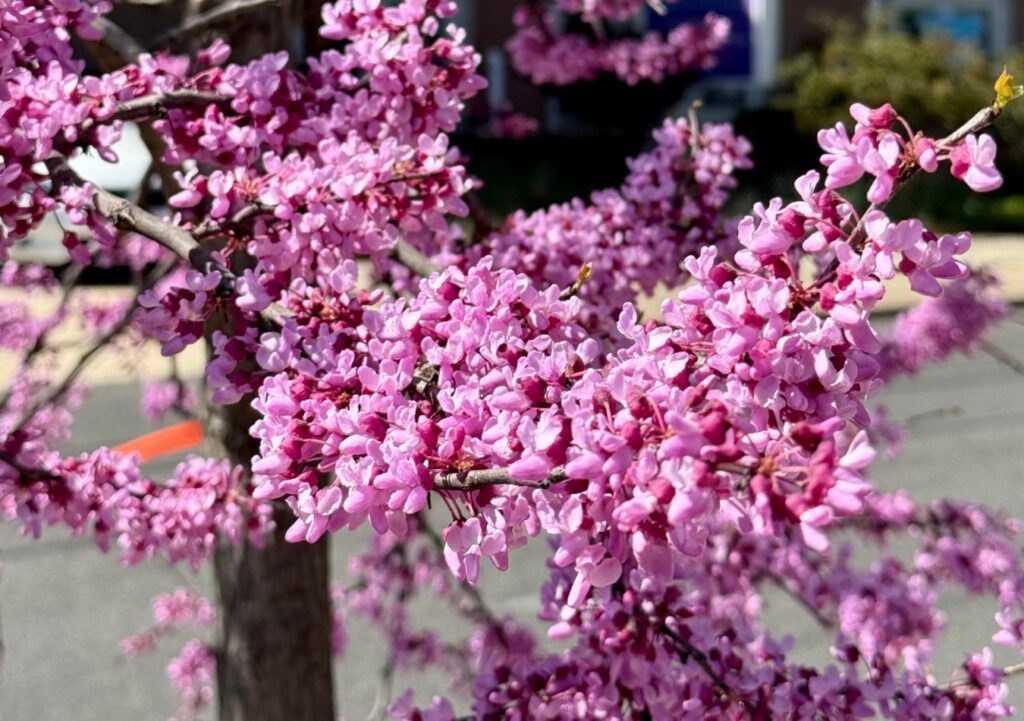
The Eastern Redbud (Cercis canadensis) is a local, native favorite known for its heart-shaped leaves and showstopping flowers. One of the first trees to blossom in the spring, the Eastern Redbud boasts lively pink and purple blooms along its branches, and its compact size makes it a great fit in an urban environment—either in a small yard, by a powerline, or under the shade of a large canopy tree.
To learn more, check out our guide to the Eastern Redbud.
ABOUT THE SERVICEBERRY
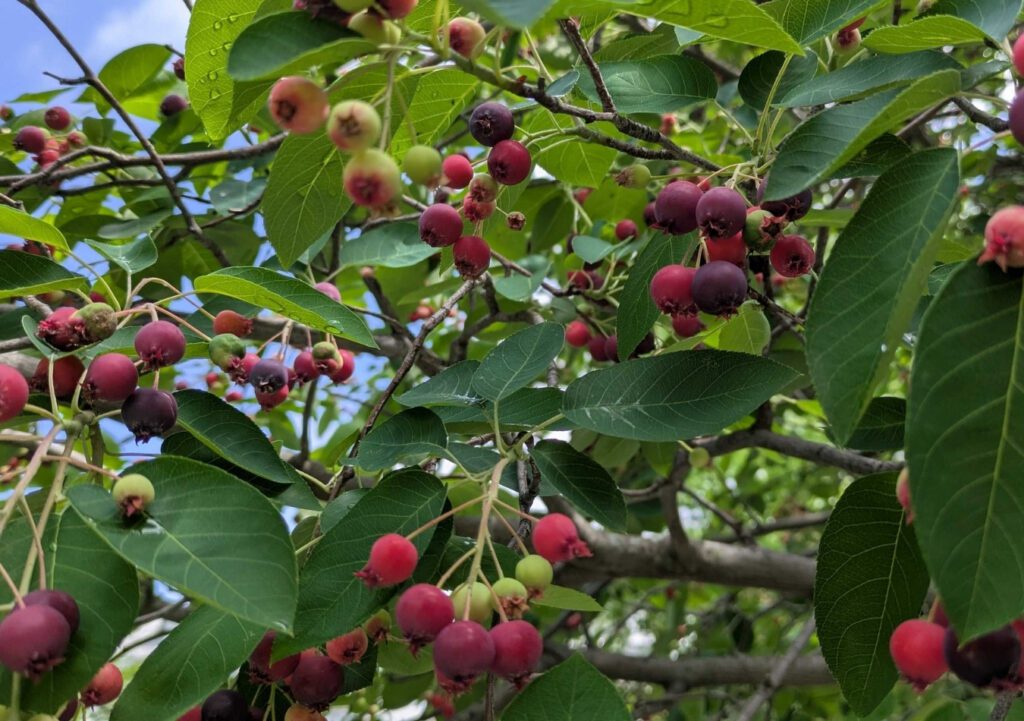
The Serviceberry (Amelanchier spp.) is a deciduous, native tree, popular for its adaptability, resilience, and its delicious, edible berries! Also known as a juneberry, the serviceberry can thrive in a variety of soil types, making it a great sustainable option to support our urban canopy. Serviceberries are ideal for compact environments, reaching heights of up to 25 feet within 20 to 25 years in full sun or partial shade.
To learn more, check out our guide to the Serviceberry.
READY FOR MORE TREES?
Our arborists are consulting with residents now to plant FREE trees for DC residents this fall. Apply to schedule your consultation.
Funding provided by the District Department of Energy and Environment