Trees are living pieces of history. Some have borne witness to the lives of the most influential leaders of our time.
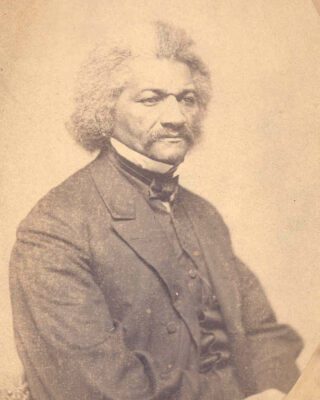
One such figure is Frederick Douglass, the incomparable abolitionist who dedicated his life to advancing the rights and equality of disenfranchised Americans. After escaping from slavery in 1838, Douglass began a lengthy career as an orator and writer, traveling across the country and abroad to argue against the institution of slavery. From his work at the nation’s foremost Black newspapers to his eloquent autobiographies, Douglass secured a lasting legacy as one of the most influential writers and speakers in American history.
Yet Douglass’s story is also one of place, especially the landscape he called home. At Cedar Hill, his connection with nature grew alongside his public achievements, offering a new way to understand his enduring legacy—as a naturalist.
Making a Home at Cedar Hill
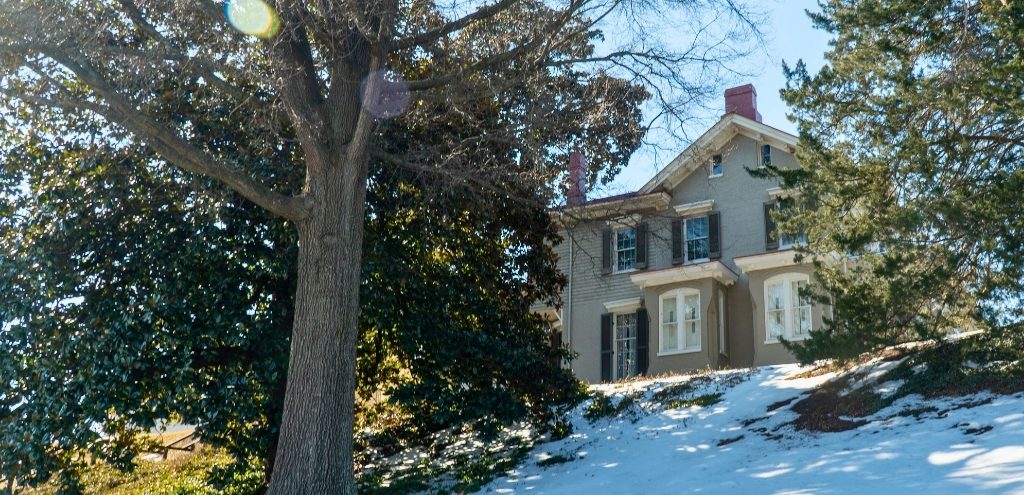
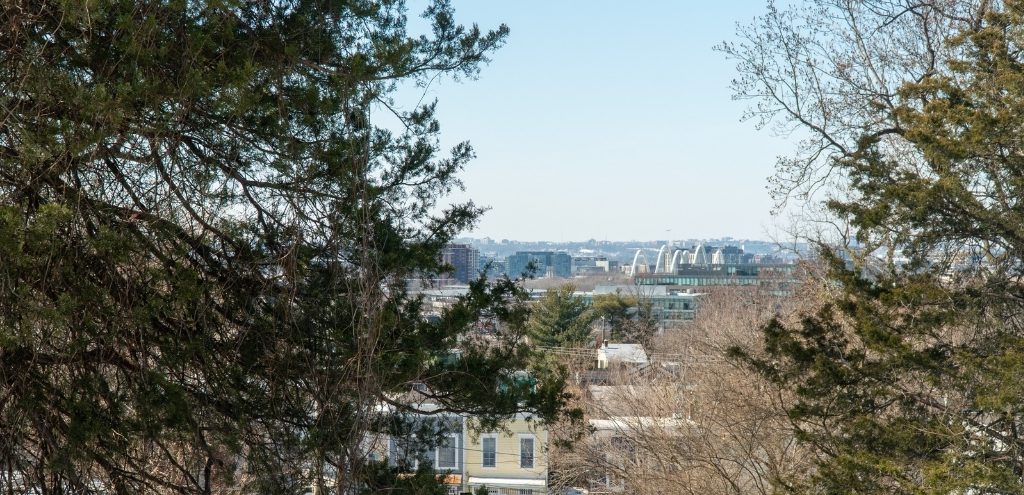
Rising above the landscape in historic Anacostia is the Frederick Douglass National Historic Site, the stately mansion that served as Douglass’s residence for the last 17 years of his life. Drawn by its natural character and encouraged by his first wife, Anna Murray-Douglass, he purchased the property in 1877 and renamed it Cedar Hill in recognition of the tall cedar trees that dotted the grounds.
Situated outside the hustle and bustle of downtown Washington, Cedar Hill offered Douglass a pocket of semi-rural serenity out of the public eye. When he wasn’t busy touring or serving as U.S. Marshal for DC, Douglass often walked through the lush landscape, traversing the hills and glens that shaped his estate. In addition to the property’s namesake cedars, oaks, chestnuts, firs, and other trees shaded the lawns, framing the greens where Douglass recreated.
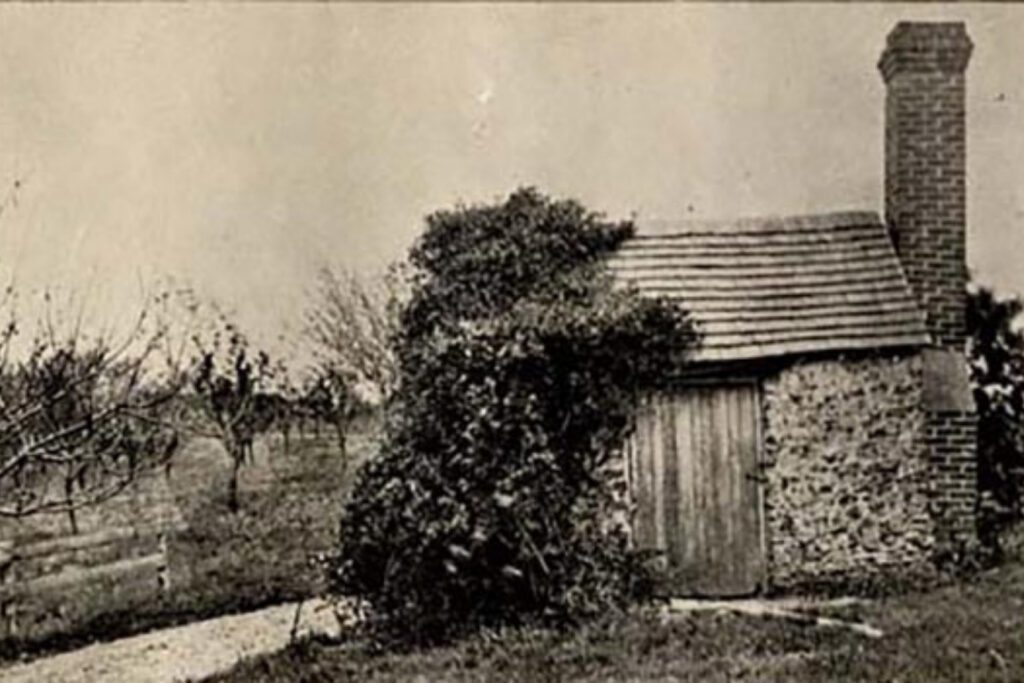
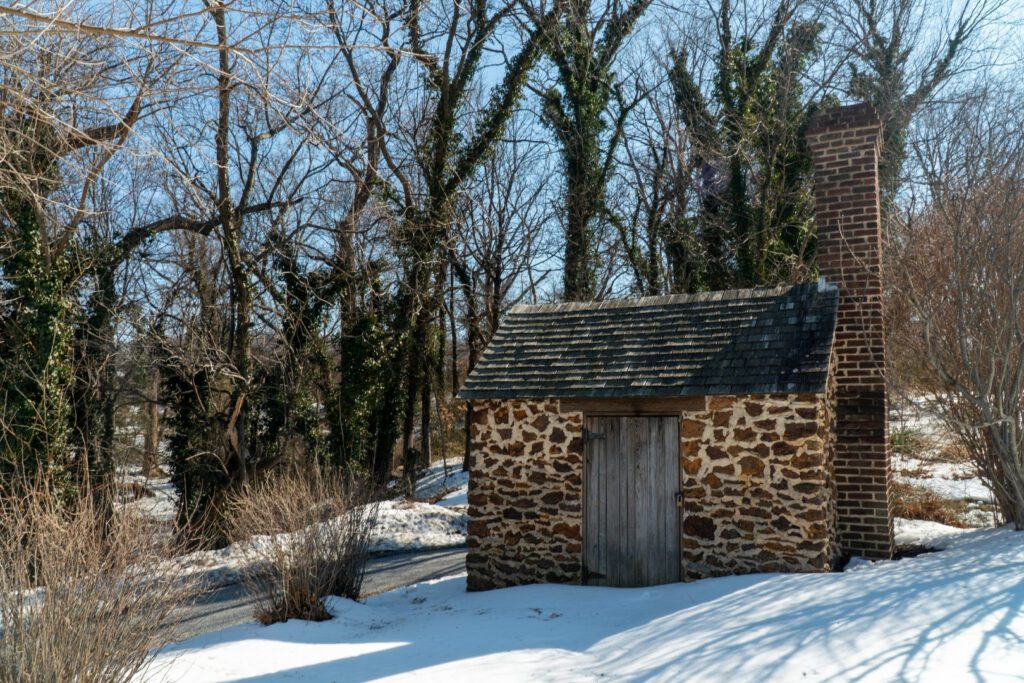
Douglass deepened his connection to nature through continued investments in Cedar Hill’s landscape. Historic receipts show that he purchased spruce trees to be planted on the north side of the hilltop, along with seeds for fruits, vegetables, and flowers to cultivate in gardens surrounding the home. These records also document his purchase of fruit trees for his orchard on the south lawn. Located behind the Growlery—Douglass’s outdoor den and place of retreat—the orchard yielded pears, peaches, persimmons, and cherries: genuine fruits of his labor, cultivated with care.
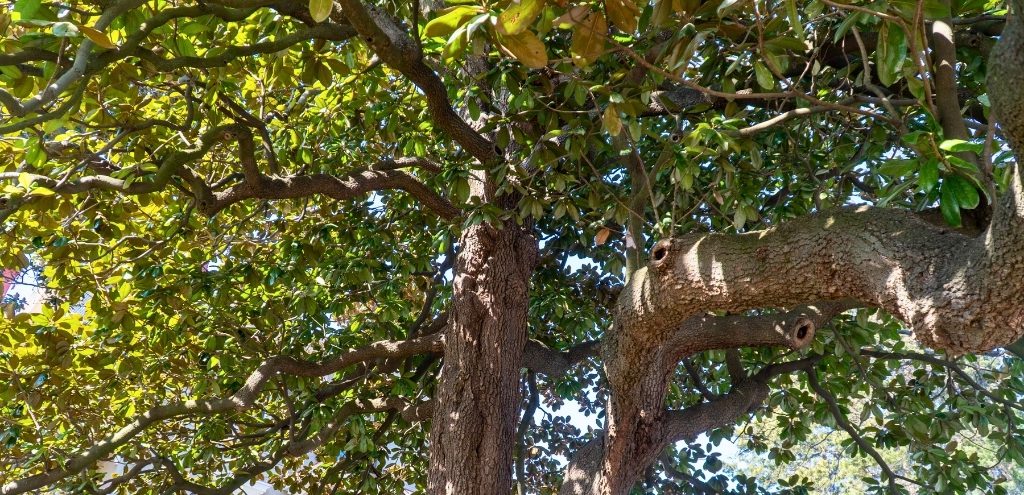
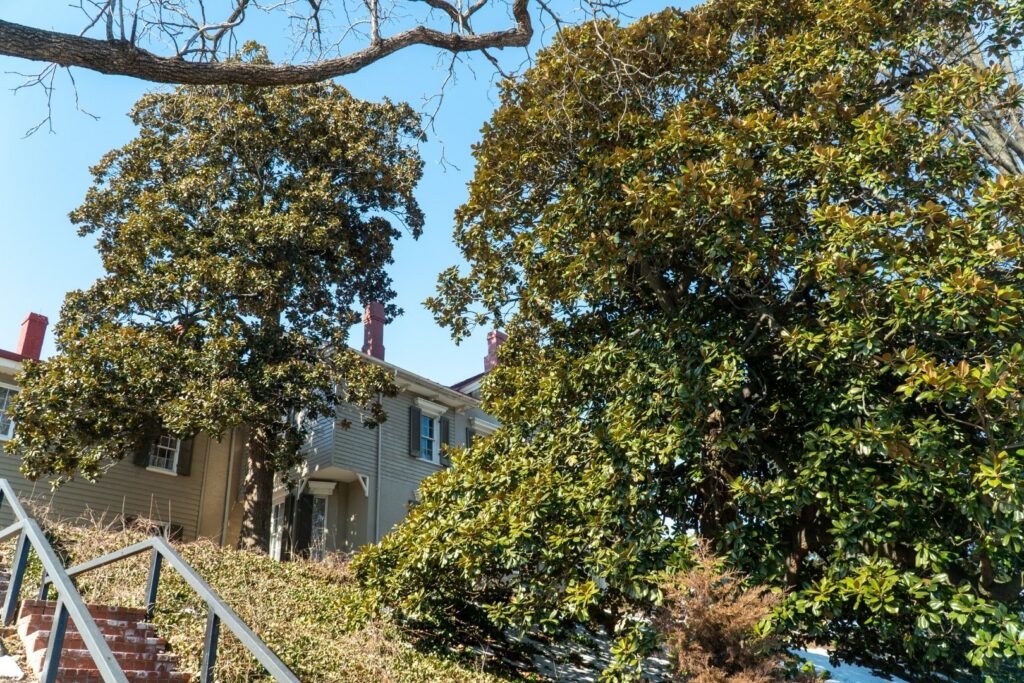
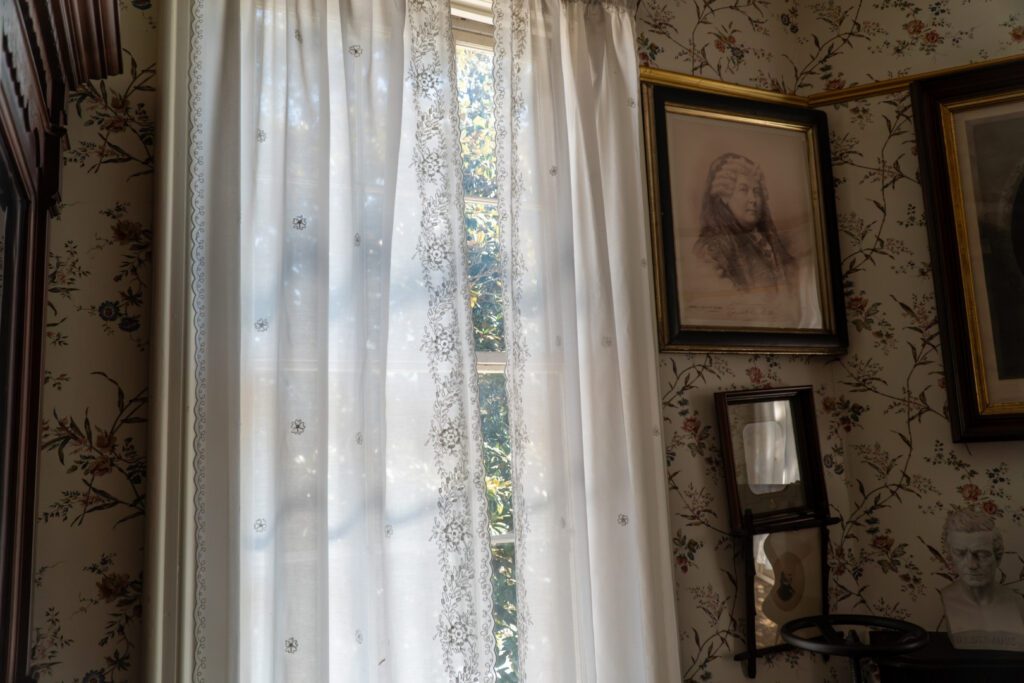
Growing tall and wide alongside the home is perhaps Douglass’s most famous addition to his property: a pair of Southern Magnolia trees. Oral histories suggest that Douglass himself planted the trees as a symbolic gift to his wife Anna sometime between 1877 and 1882. Situated right outside his study window, these evergreens still stand today, forming a living connection to the time and place of one of history’s greatest leaders.
Becoming a National Historic Site
In 1895, after attending a meeting for the National Council of Women, Douglass passed away in the entryway of his home. Helen Pitts Douglass, Douglass’s second wife, recognized the importance of preserving Cedar Hill and began the effort to honor his legacy.
In 1900, at Helen’s urging, Congress chartered the Frederick Douglass Memorial and Historical Association, which later partnered with the National Association of Colored Women’s Clubs to restore and preserve the home. After years of petitioning the federal government, the property finally became a unit of the National Park Service (NPS) in 1962, where it remains in stewardship today.
Yet even though the home has been restored to its 1895 appearance, the grounds Douglass so deeply cherished are still missing many of the trees that once stood during his lifetime.
Honoring the Past by Planting for the Future
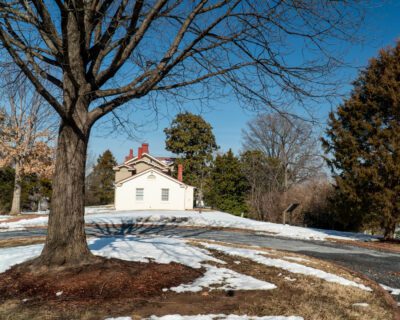
In recent years, Casey Trees, in partnership with NPS, has had the honor of celebrating Douglass’s memory and his love of nature through tree walks and a tree planting at Cedar Hill. We’re excited to announce that this relationship continues to grow.
Through our 250 Years of America, 250 Trees for its Capital campaign, we plan to plant 20 eastern red cedars on the grounds of Cedar Hill—restoring the trees that inspired Douglass to name the estate and that nurtured his love of the natural world.
Douglass’s own cultivation of Cedar Hill reminds us that landscapes aren’t static, but ever-changing spaces worthy of investment. With these plantings, we hope to honor Douglass’s enduring legacy as both a naturalist and a visionary leader who tirelessly fought for the rights of African Americans, women, and all Americans.
Interested in becoming a part of this living history? Sponsor a cedar tree and receive a certificate or contribute any amount towards our goal.
To learn more about Douglass’s work and his history as the “Sage of Anacostia,” visit the Frederick Douglass National Historic Site to tour the house and grounds at Cedar Hill, including the storied Southern Magnolias that witnessed an incredible life.
Places like Cedar Hill endure not by chance, but through our intention. By preserving both its home and its landscape, we honor Douglass’s legacy and ensure that future generations can draw inspiration from his life—and the living history he cherished.