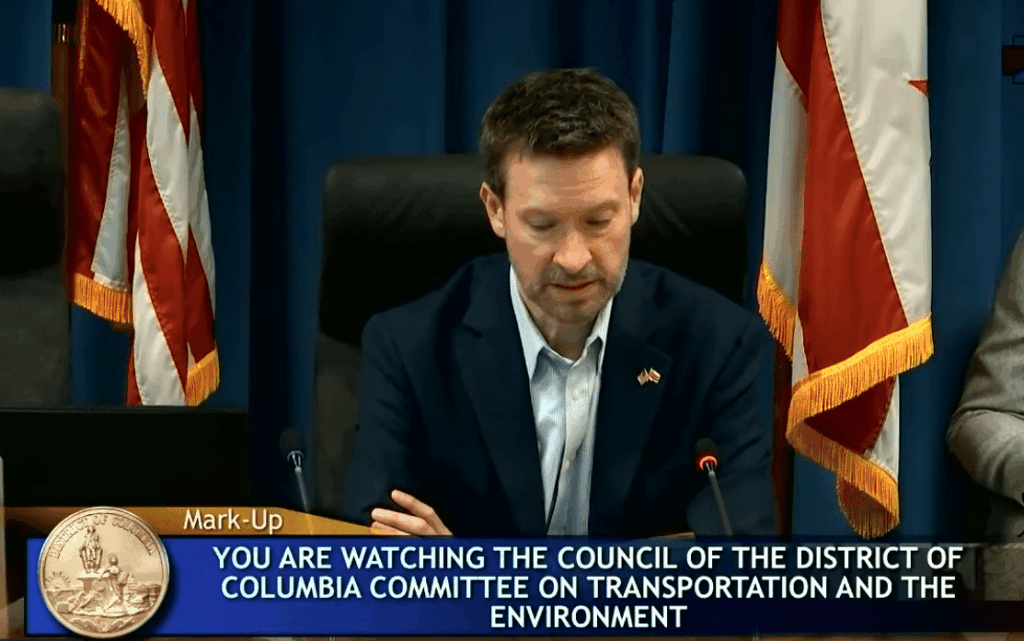
This week brought great news for DC’s trees — and for everyone who values a greener, healthier city. The DC Council’s Committee on Transportation and the Environment, chaired by Councilmember Charles Allen, advanced the Tree Preservation Enhancement Amendment Act of 2025 (B26‑0059), marking a major step forward in protecting and growing the District’s tree canopy. Originally introduced earlier this year by Council Chairman Phil Mendelson, this legislation builds on years of tree protection policy in the District and reaffirms DC’s leadership in urban forest stewardship.
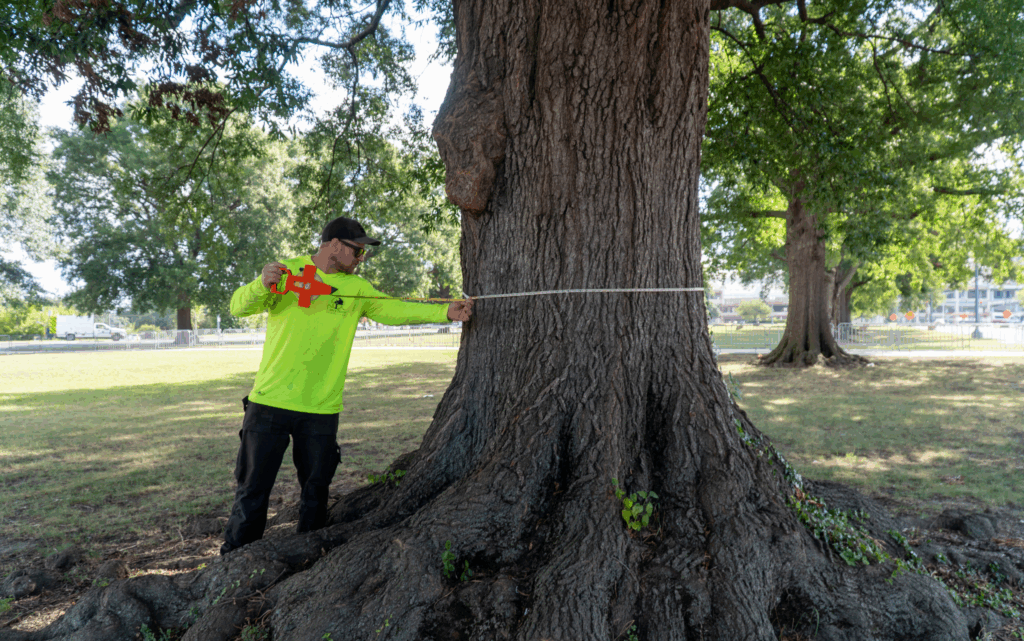
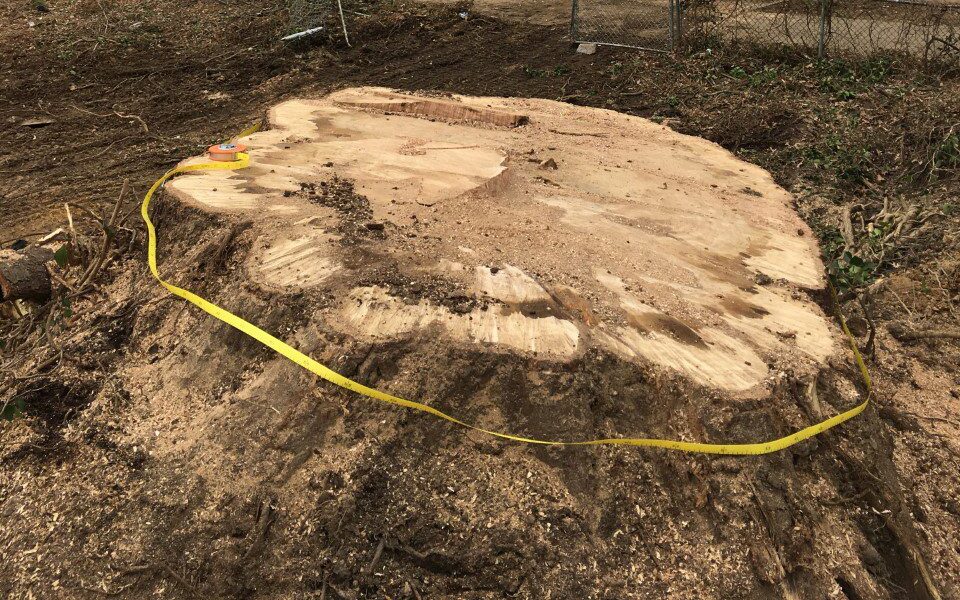
The bill expands the definition of “special trees,” our city’s mature trees that provide the most environmental and community benefits, by lowering the qualifying size from 44 inches to 40 inches in circumference. That small change adds up in a big way: it’s expected to extend protection to an estimated 50,000+ additional trees citywide, ensuring they can continue to provide cooling shade, cleaner air, stormwater mitigation, and habitats for urban wildlife.
Importantly, heritage trees — the largest and most significant trees in the District — remain just as strongly protected as before. These towering icons of our urban forest still cannot be removed without express permission unless they are hazardous, reflecting DC’s ongoing commitment to preserving its most valuable natural assets.
The bill also makes the District’s Tree Fund a non‑lapsing fund, guaranteeing that all fees collected for tree removals stay dedicated to planting and caring for trees across the city. In other words, none of those resources can be diverted elsewhere, giving residents confidence that every dollar collected supports a more resilient canopy for DC’s future.
Finally, the Act sets a regular three‑year review of fees and fines, starting in July 2029, so that penalties for illegal tree removals and fees for permits keep pace with inflation and continue to serve as meaningful deterrents against unnecessary tree loss. By building in this update schedule, the Council ensures that DC’s tree protections remain strong and effective for the long term.
Together, these provisions strengthen one of the nation’s most forward‑thinking urban forestry laws and keep DC on track toward its 40% canopy goal. Casey Trees applauds the Committee for advancing this legislation and thanks our partners, advocates, and residents who continue to speak up for the city’s living infrastructure.
We’ll continue to track the bill as it heads to the full DC Council for consideration — and we’ll keep you updated on how these changes shape the future of DC’s trees.