As we celebrate Indigenous People’s Day, it’s important to reflect on the deep-rooted history and vibrant cultures of the Native American tribes that have called the Mid-Atlantic region home for thousands of years. This day not only provides an opportunity to recognize the enduring contributions of Native Americans but also to appreciate their profound connection with the environment, including the invaluable role of trees in their lives.
Trees have played a central role in the lives of Native American tribes for centuries. These towering sentinels of the forest provided not only shelter and sustenance but also a source of spiritual and cultural significance.
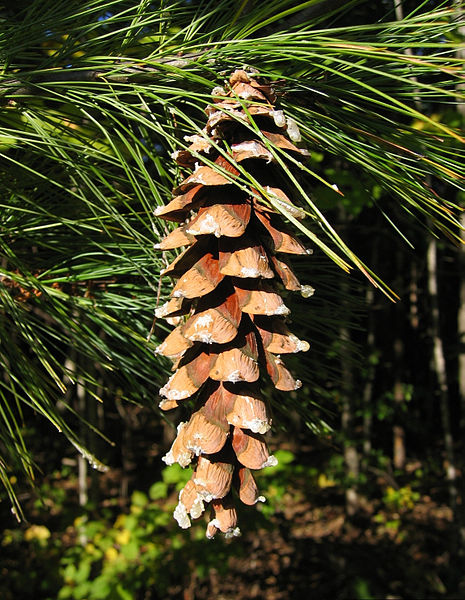
Native American tribes, including the Piscataway and Powhatan, skillfully employed trees for building longhouses and wigwams. The flexible bark of trees such as the Eastern White Pine was used to craft roofing materials, while the trunks themselves served as structural components. Trees like the American Persimmon and Black Walnut provided a bounty of edible fruits and nuts, while the bark, leaves, and roots of various trees held medicinal properties, offering remedies for ailments that have been passed down through generations.
On top of the many physical contributions that trees provided – Many native tribes held sacred spiritual ceremonies beneath the towering canopies of ancient trees. Trees were seen as the embodiment of life and served as a vital component of creation stories and cultural traditions.
The Smithsonian National Museum of the American Indian, through its comprehensive resources, offers an in-depth look at the relationship between Native American tribes and the environment. It is essential to remember that acknowledging the contributions and heritage of Native American tribes goes beyond a single day of recognition. We must actively engage with their communities, support their initiatives, and work to protect the environment they have cared for and thrived in for generations.