River Birch


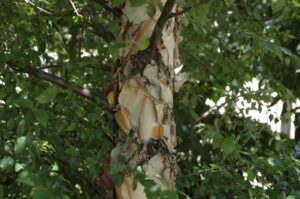
River birch young bark

Introduction

The river birch is commonly seen in swamps and along rivers, but its particular shade of bark color and exfoliating properties lead it to be an excellent ornamental tree. This is made all the more easy by the fact that the river birch is a sturdy, relatively pest- and disease-free tree that thrives in numerous sites. Expand all items below.

Common Name

River birch

Latin Name

Betula nigra

Leaf

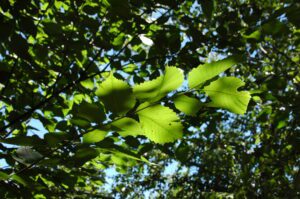
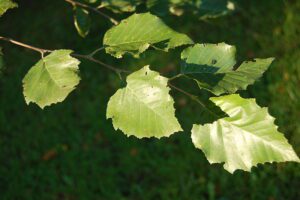
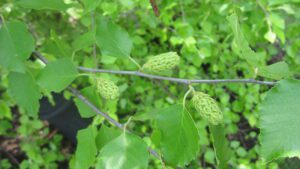
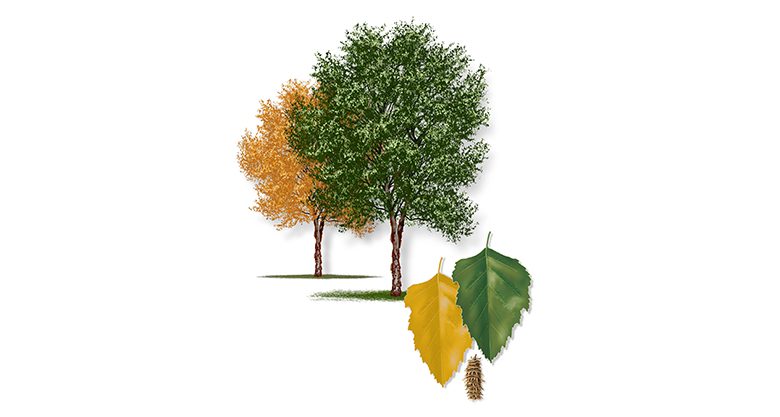
Alternate, simple, pinnately-veined, rhombic to ovate, doubly serrate, with a wedge-shaped base, green above, paler and fuzzy below

Flower

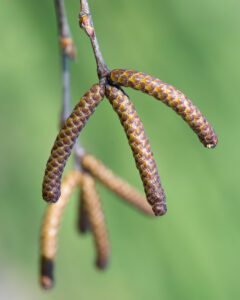
Reddish green male catkins hang near the end of the twig, 2 to 3 inches long; female catkins are upright and light green

Fruit/nut

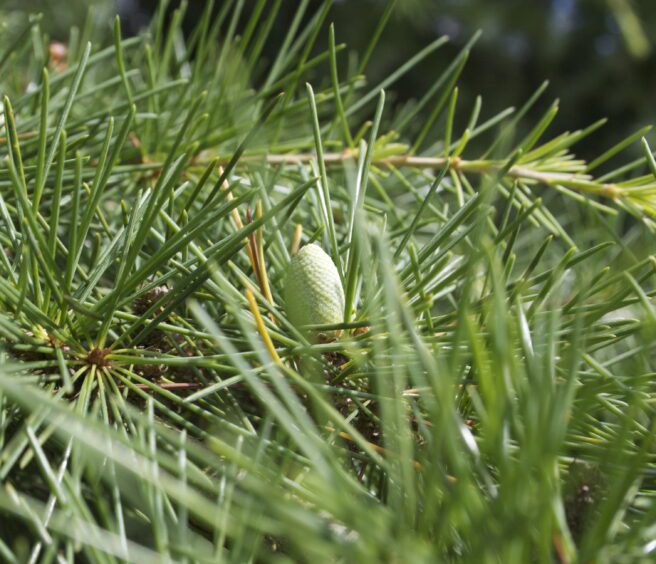
Cone-like, with many hairy scales, reddish brown, containing many tiny, 3-winged seeds that ripen and break apart in the fall

Twig/branches

Slender, orangish brown in color, smooth or slightly pubescent, with the terminal bud absent

Bark

Smooth on young trees, salmon to rust colored. As it matures it develops papery scales that exfoliate horizontally with creamy to orange-brown colors visible; later on in maturity the river birch develops coarse scales

Form

The trunk typically divides low into several upright trunks but the tree has a general oval, pyramidal, upright or erect shape

Size

It can grow to be 40 to 70 feet in height and have a spread of about 40 to 60 feet

Native Range

Native to the eastern United States from New Hampshire west to southern Minnesota, and south to northern Florida and east Texas

Type

Medium-sized deciduous

Seasonal Colors

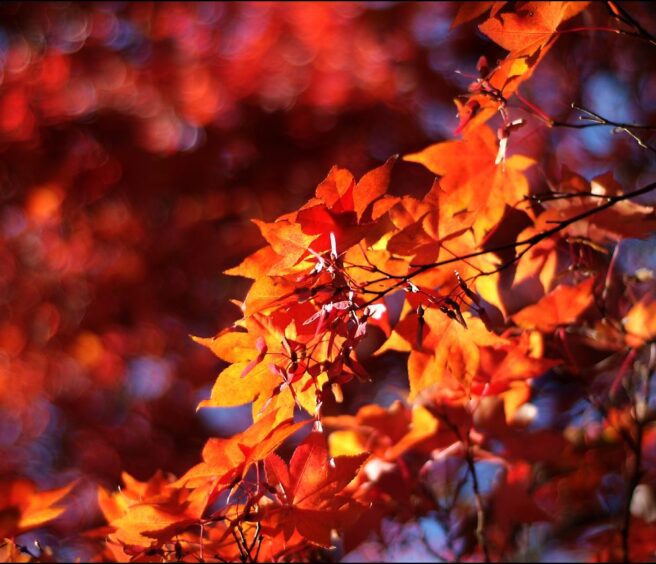
Commonly turns a yellow-golden color in the fall

Soil

Grows in acidic, loamy, moist, sandy, well drained, wet, wide range, clay soils

Light

Does well in full sun and partial shade

Similar Species

Paper birch, European weeping birch, gray birch

Pests and Diseases

No serious issues with insects or disease, except for Anthracnose leaf blight, which can harm the leaves

Rebate Eligibility

$50

Of Note

The river birch has become a popular landscape tree because of its distinctive bark and graceful crown.

Because of its tolerance to acidic soils, the river birch has been used successfully in strip mine reclamation.

Comments are closed.