American Yellowwood
Introduction
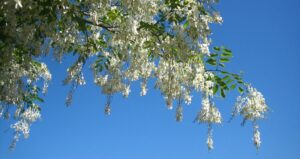
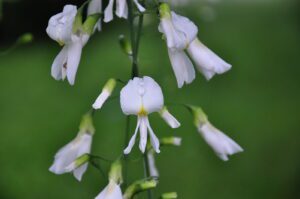
The yellowwood is recognized as having one of the best flowering displays of flowering trees with its white and pink drooping flowers. Although rare in the wild, the yellowwood is hardy and can easily be an urban ornamental tree as it tolerates a wide range of acidic and slightly alkaline soils. .
Common Name
Yellowwood
Latin Name
Cladrastis kentukea
Leaf
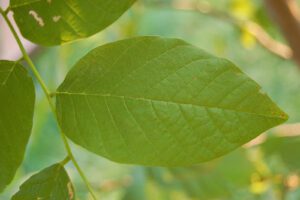
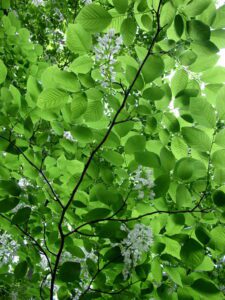
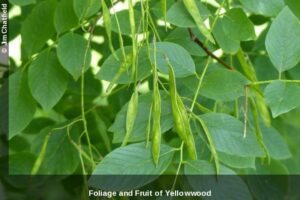
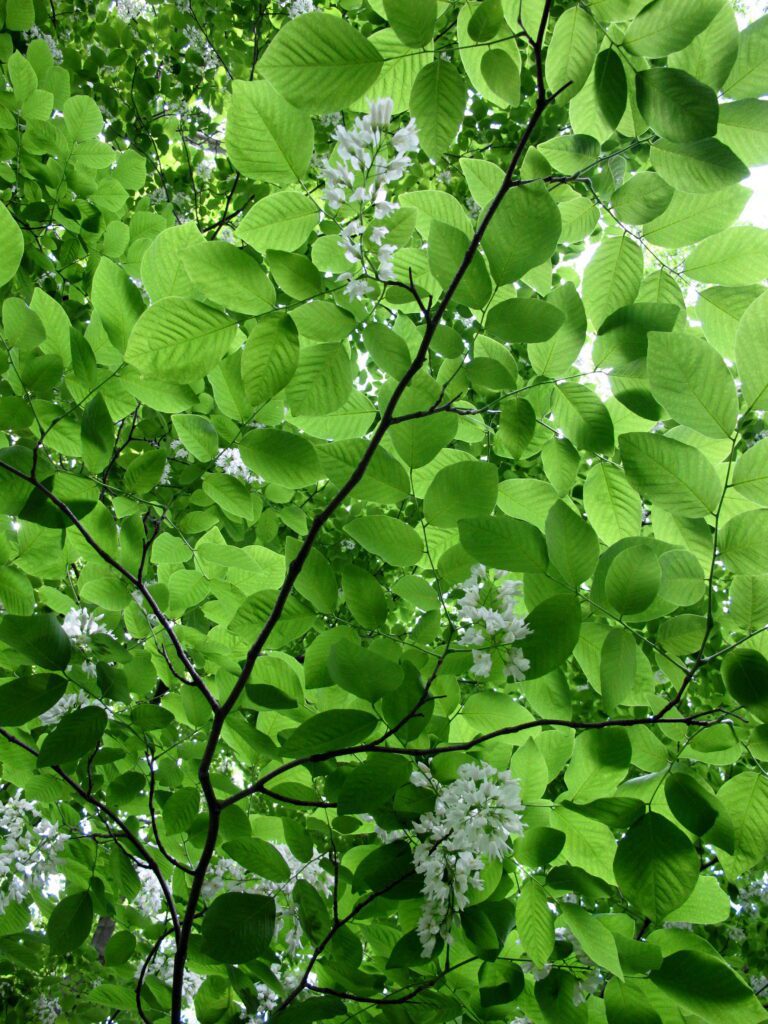
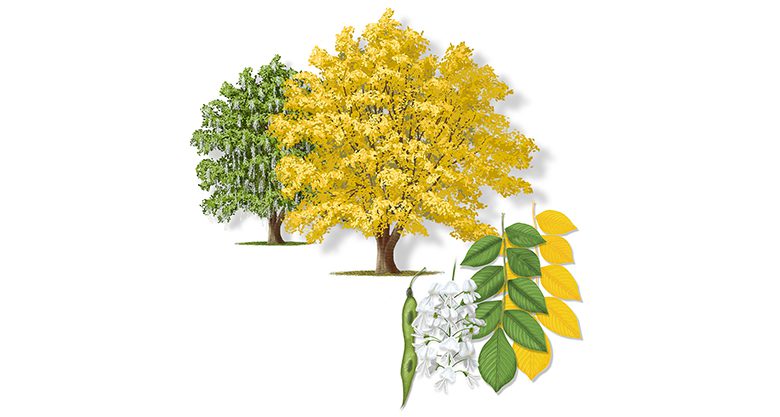
Alternate, pinnately compound, 5 to 9 leaflets (usually 7), each leaflet obovate to oblong-obovate, green upper surface, paler below
Flower
Pea-like, perfect, creamy to white, somewhat fragrant, borne in long hanging clusters
Fruit/nut
Flat brown pod, 2 to 4 inches long, 1/2 inch wide, containing small, brown, hard-coated seeds, ripening in early fall
Twig/branches
Moderately stout, smooth, shiny, red-brown, zig-zag, leaf scar nearly encircling the bud; bud is a broad cone, with fuzzy brown hairs
Bark
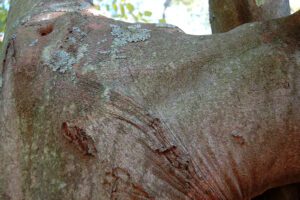
Very smooth, often wrinkled, thin, gray
Form
Wide spreading crown, typically low branching
Size
Commonly reaches 50 feet in height
Native Range
Native to the southeastern United States, with a restricted range from western North Carolina west to eastern Oklahoma, and from southern Missouri and Indiana south to central Alabama
Type
Medium-sized deciduous tree
Seasonal Colors
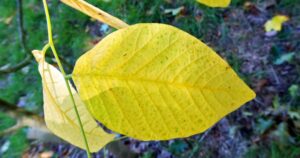
Leaves turn a unique soft yellow-green color in fall
Soil
Does best in moist neutral soils with good drainage, but adapts to varying levels of acidity
Light
Tolerates partial shade but grows the best in sun
Similar Species
Amur corktree, Japanese pagoda tree
Pests and Diseases
There are no major pests or diseases for the yellowwood except for the occasional verticillium wilt.
Rebate Eligibility
$50
Of Note
The name yellowwood derives from its yellow heartwood, used in small amounts for specialist furniture, gunstocks and decorative woodturning.
Kentucky yellowwood is recommended as one of the best medium-sized trees for cultivation as an ornamental plant in gardens.
Photo Credits
Comments are closed.