Serviceberry
Introduction
The serviceberry is a delight for every season; from the budding of its graceful flowers in spring to its delicious berries in summer and impressive coloration in the fall, the serviceberry offers no end to its surprises. .
Common Name
Serviceberry
Latin Name
Amelanchier
Leaf
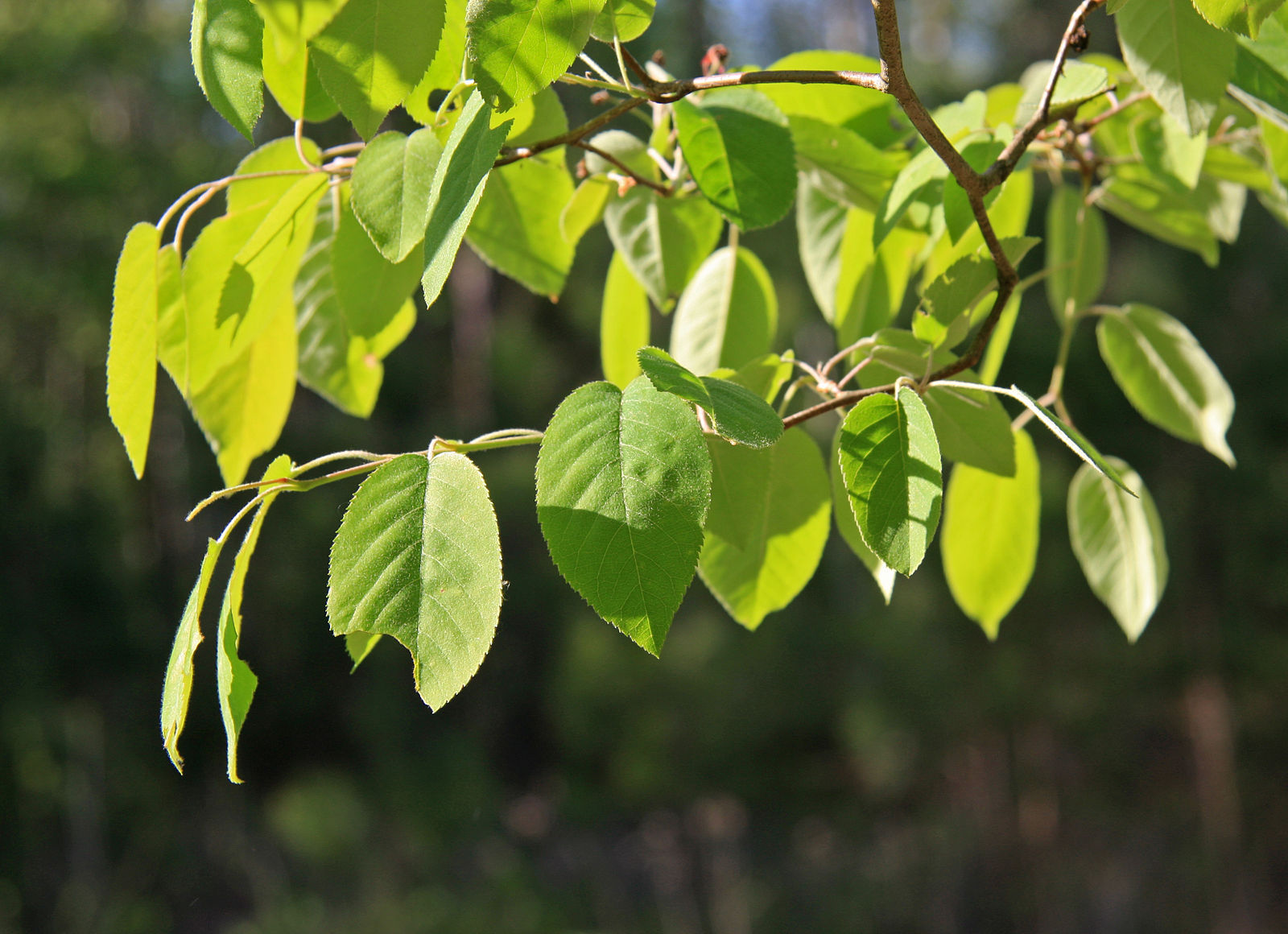
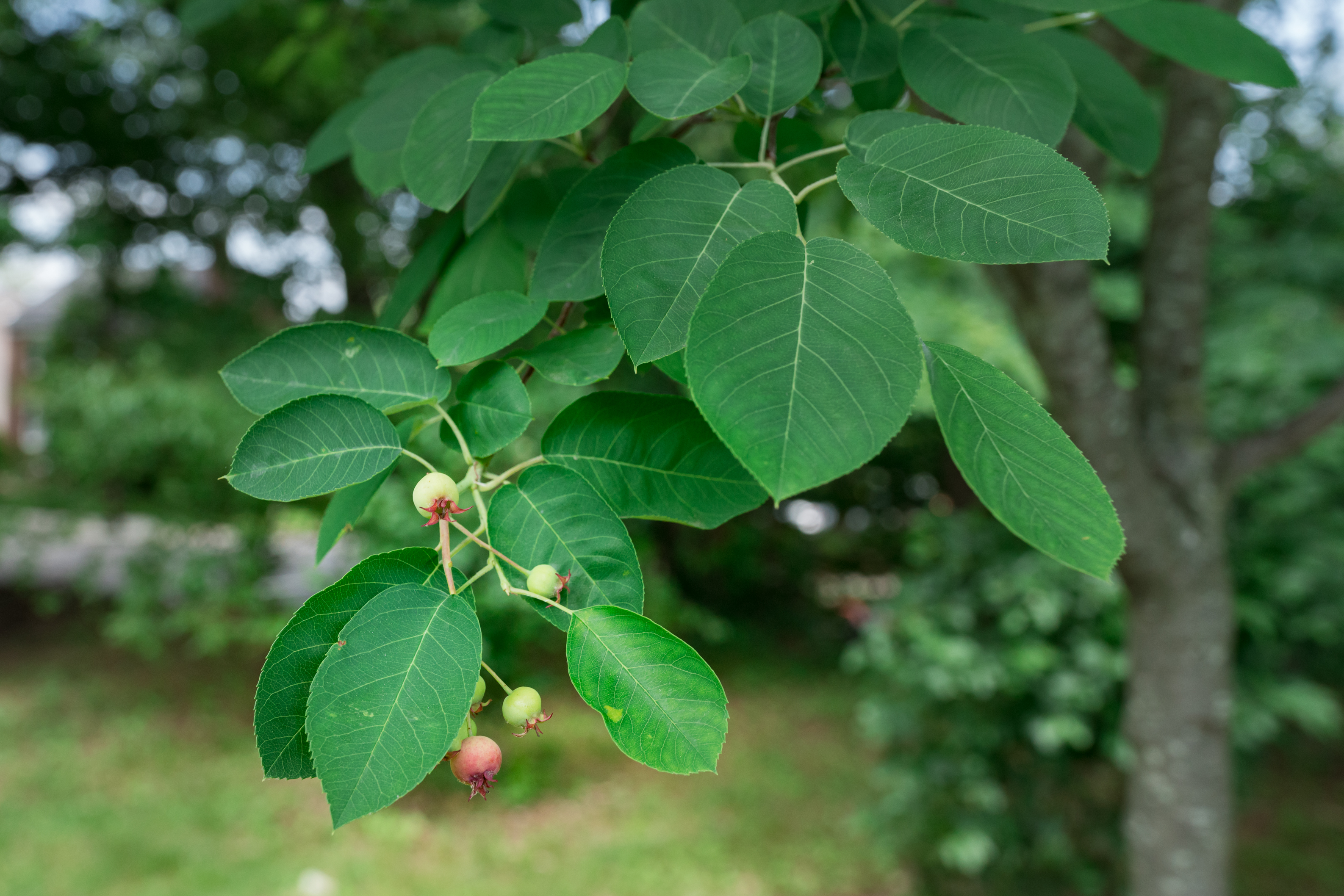
Alternate, simple, ovate, finely serrate, green above and paler below, may be pubescent below, particularly when young
Flower
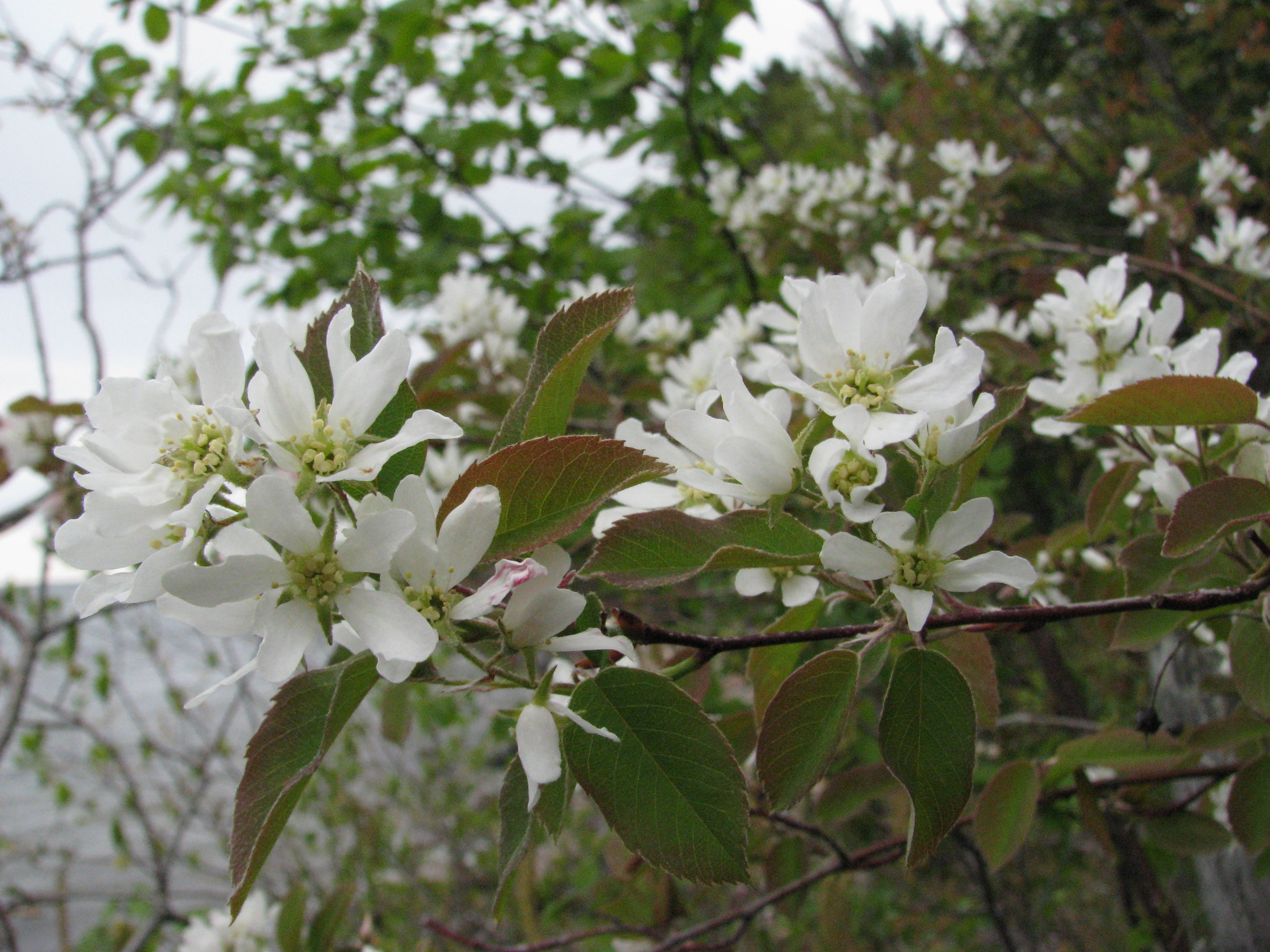
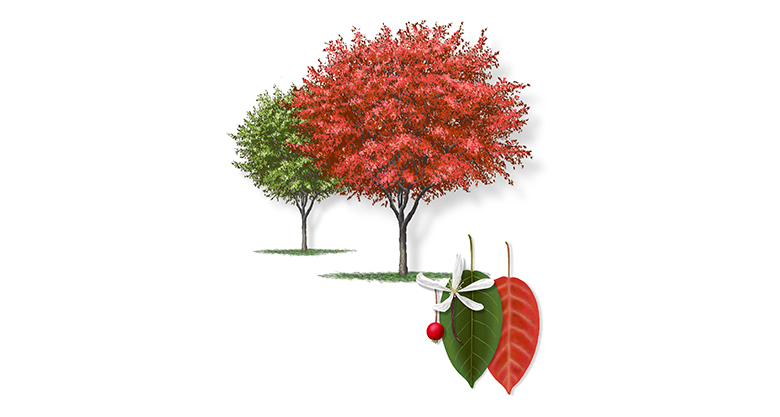
Showy with 5 long white petals, occuring in elongated, drooping bunches, appear in spring just before or with the leaves
Fruit/nut
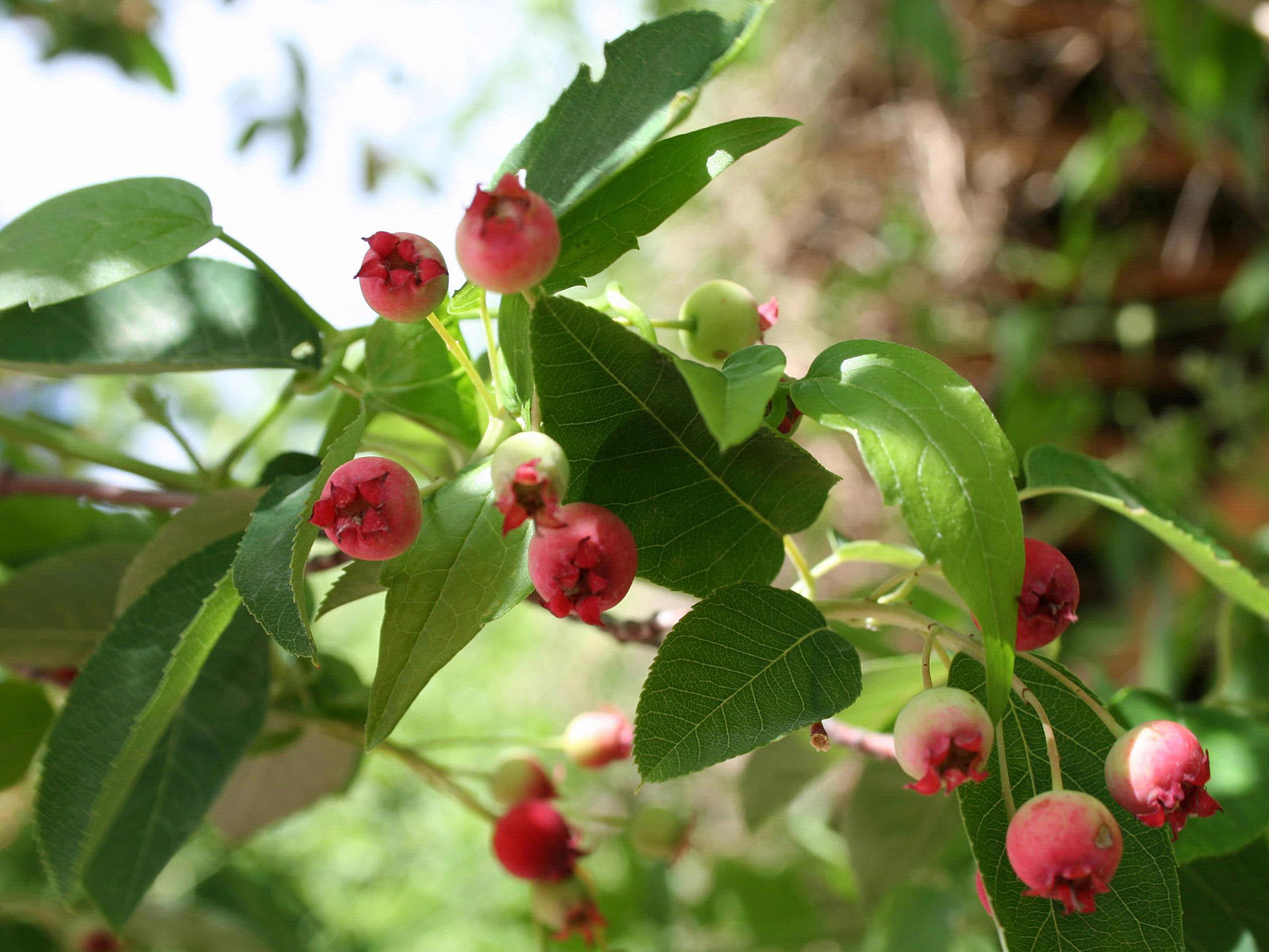
Red to purple round berry in small hanging clusters; edible and very tasty
Twig/branches
Slender, flexible, red-brown to gray in color; may be covered with fine hairs when young; buds are long pointed, covered with only a few scales, usually with hairy margins, light yellow-green to red in color
Bark
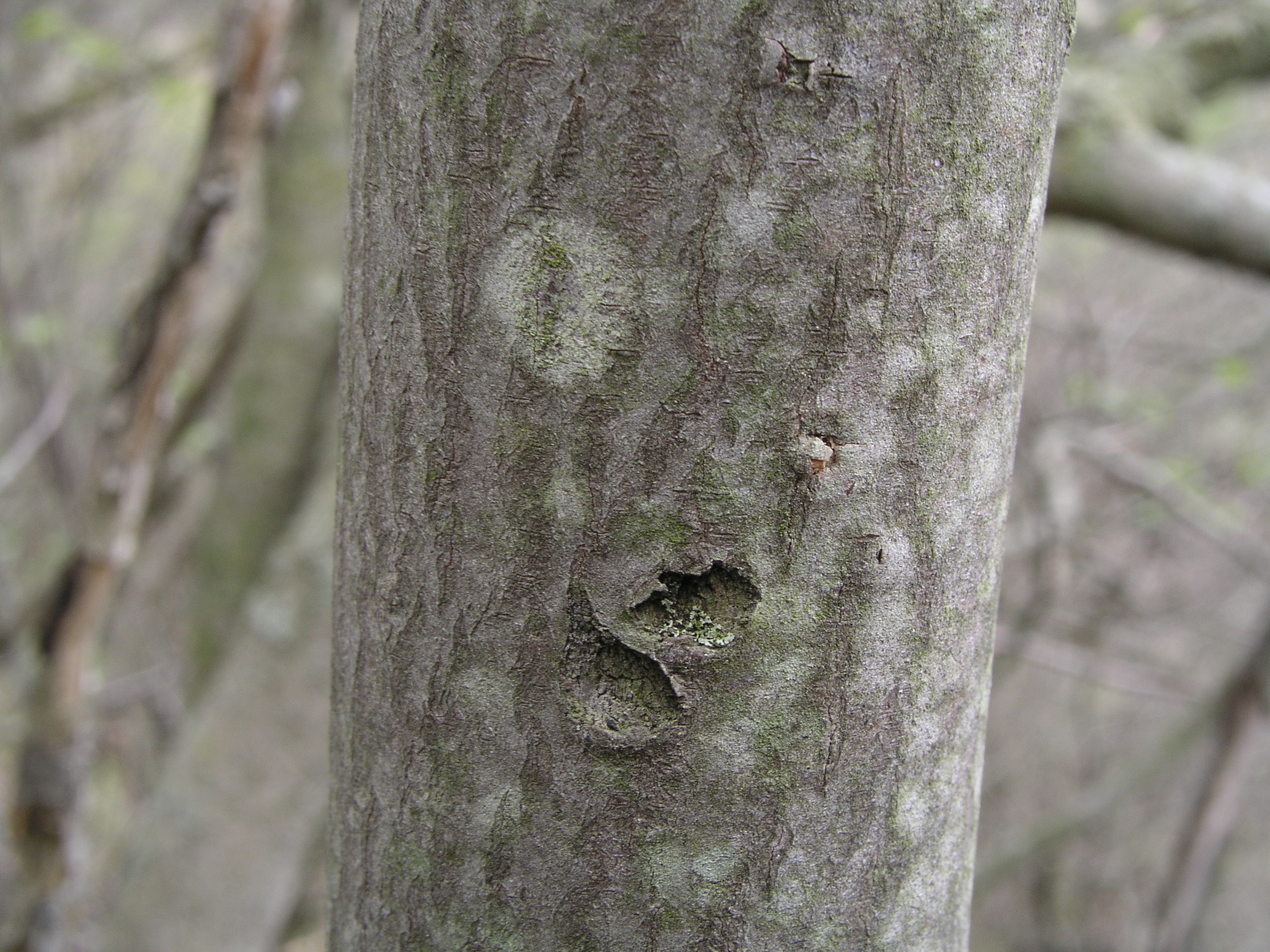
Smooth when young, ashy-gray with darker stripes; later becoming rough with long vertical splits and furrows
Form
Rounded shape with a narrow crown
Size
Can be 15 to 25 feet in height and 15 to 25 feet in width at full maturity
Native Range
Found in the northeastern United States and adjacent southeastern Canada, and at least one species is native to every U.S. state except Hawaii and to every Canadian province and territory
Type
Small deciduous tree
Seasonal Colors
The leaves turn to a range of pale yellow, red and orange colors in the fall
Soil
Grows best in acidic, moist, well drained soils
Light
Does well in full sun and partial shade
Similar Species
Shadblow serviceberry, Alleghany serviceberry, American beech
Pests and Diseases
Has a host of diseases and pests which regularly plague members of the rose family, especially the leaves (rusts, spots, blights, mildews, etc.), but can easily be kept healthy.
Rebate Eligibility
$50
Of Note
The fruit of several species are excellent to eat raw, tasting somewhat like a blueberry, strongly accented by the almond-like flavor of the seeds.
The berries of the serviceberry tree are sometimes called juneberries because of the time that they appear.
Photo Credits
Comments are closed.