Pin oak
Introduction
Pin oaks are one of the most common ornamental trees because of how easy they are to transplant and propagate. They grow strong and upright and have a distinctive layering of branches that sets them apart from other hickories. .
Common Name
Pin oak
Latin Name
Quercus palustris
Leaf
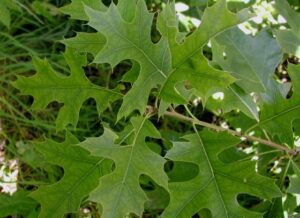
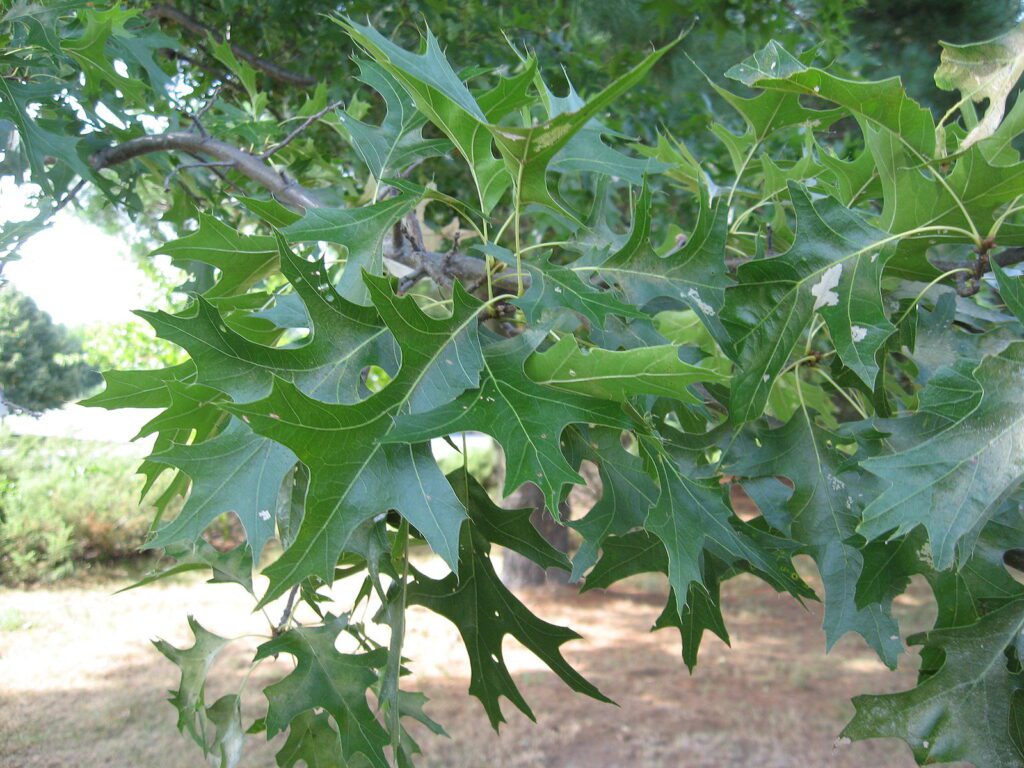
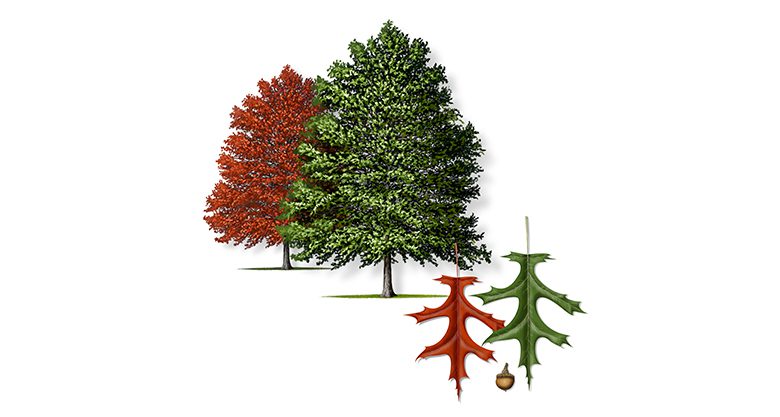
Alternate, simple, 3 to 6 inches long, oval in outline with 5 to 9 bristle-tipped lobes; major lobes form a U-shape; bright green above and pale below with axillary tifts*
Flower
Male flowers are borne on slender, drooping yellow-green catkins*; female flowers are reddish green and borne on short spikes
Fruit/nut
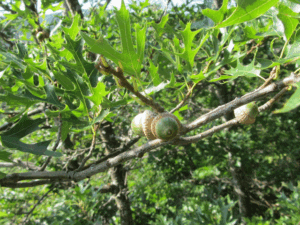
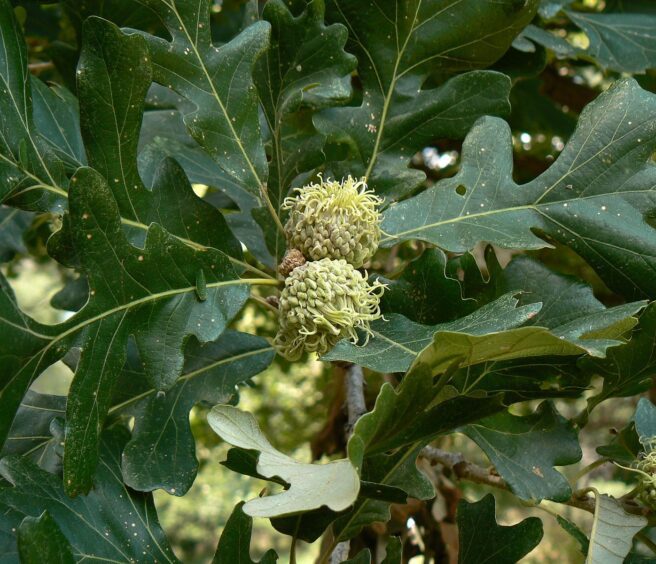
Acorns have a thin and saucer-like cap, covered with red-brown scales
Twig/branches
Slender, reddish brown in color and quite lustrous with multiple terminal buds that are small, pointed, and chestnut brown
Bark
Grayish brown and very tight and thin; remains smooth for many years, eventually develops thin ridges and furrows
Form
Very pyramidal in form that narrows at the top
Size
Normally grows 60 to 70 feet tall with a trunk diameter of 3 feet
Native Range
Mostly ranges from eastern United States from Connecticut west to eastern Kansas, south to Georgia
Type
Medium-sized deciduous tree
Seasonal Colors
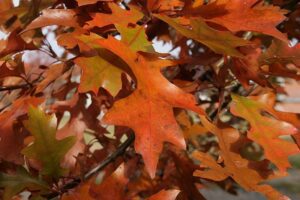
Leaves are dark green in summer, russet brown or dark red in fall
Soil
Primarily level or nearly level poorly drained alluvial* floodplain and river bottom soils with high clay content
Light
Intolerant of shade
Similar Species
Scarlet oak, nuttall oak, black oak, northern red oak
Pests and Diseases
One of the most common problems with this species is chlorosis which develops when soil pH is over 7. Common diseases include bacterial leaf scorch, cankers and root rot.
Rebate Eligibility
$100
Of Note
The bark was used by some Native American tribes to make a drink for treatment of intestinal pain.
The name “pin oak” is possibly due to the many small, slender twigs, but may also be from the historical use of the hard wood for pins in wooden building construction.
Photo Credits
Comments are closed.