Pawpaw Tree


Pawpaw branch

Introduction

An indigenous tree to the eastern United States, the pawpaw tree produces the largest edible fruit native to America. Expand all items below.

Common Name

Pawpaw

Latin Name

Asimina triloba

Leaf

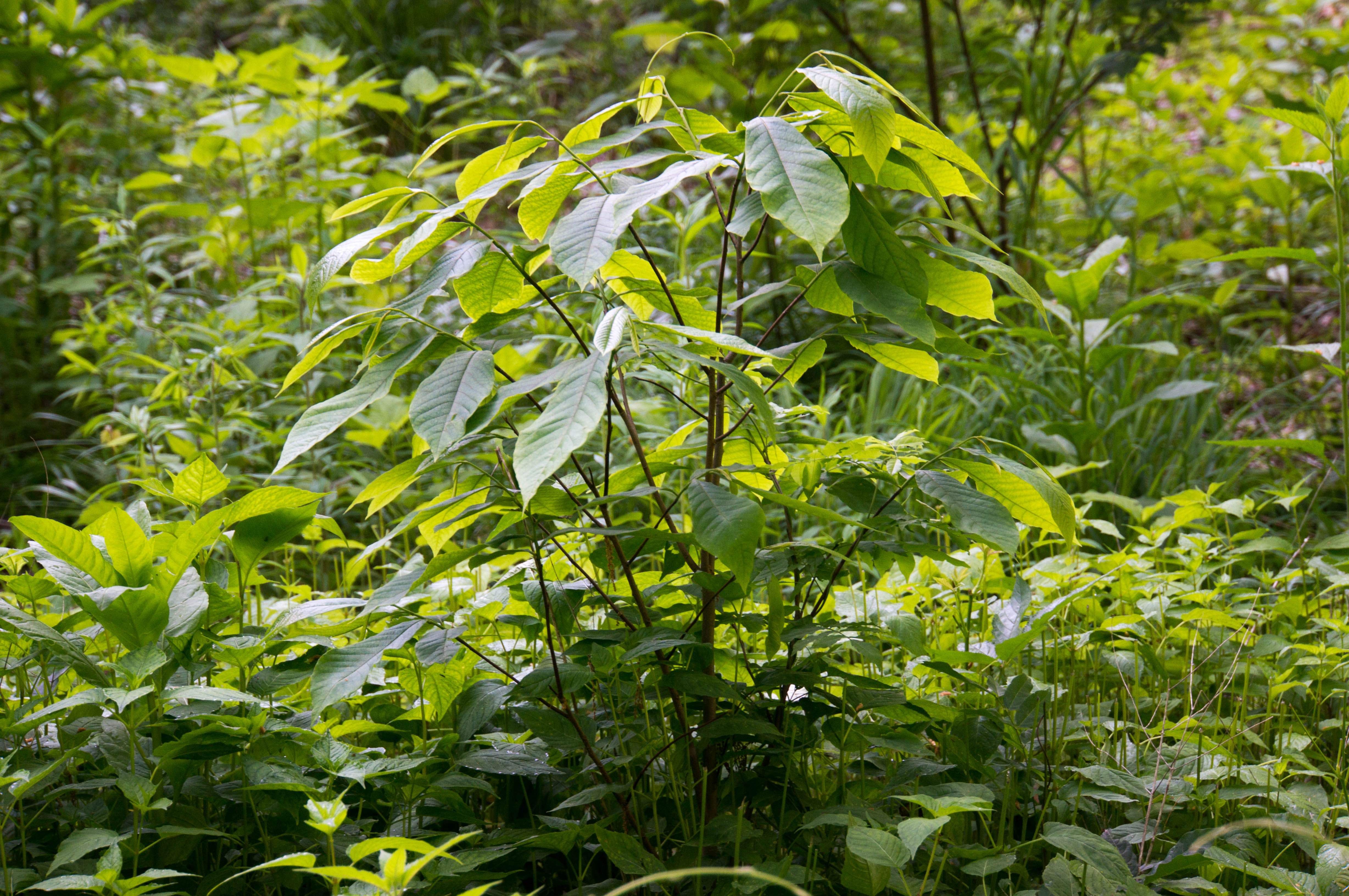
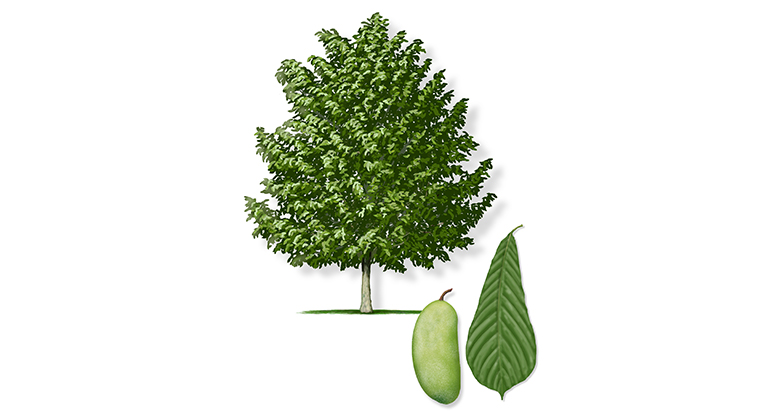
The pawpaw leaf is a deciduous, dark green, oblong, drooping leave that can grow up to 12 inches long and is widest just behind the tip. The leave does not do well in strong windy areas and require some protection.

Flower

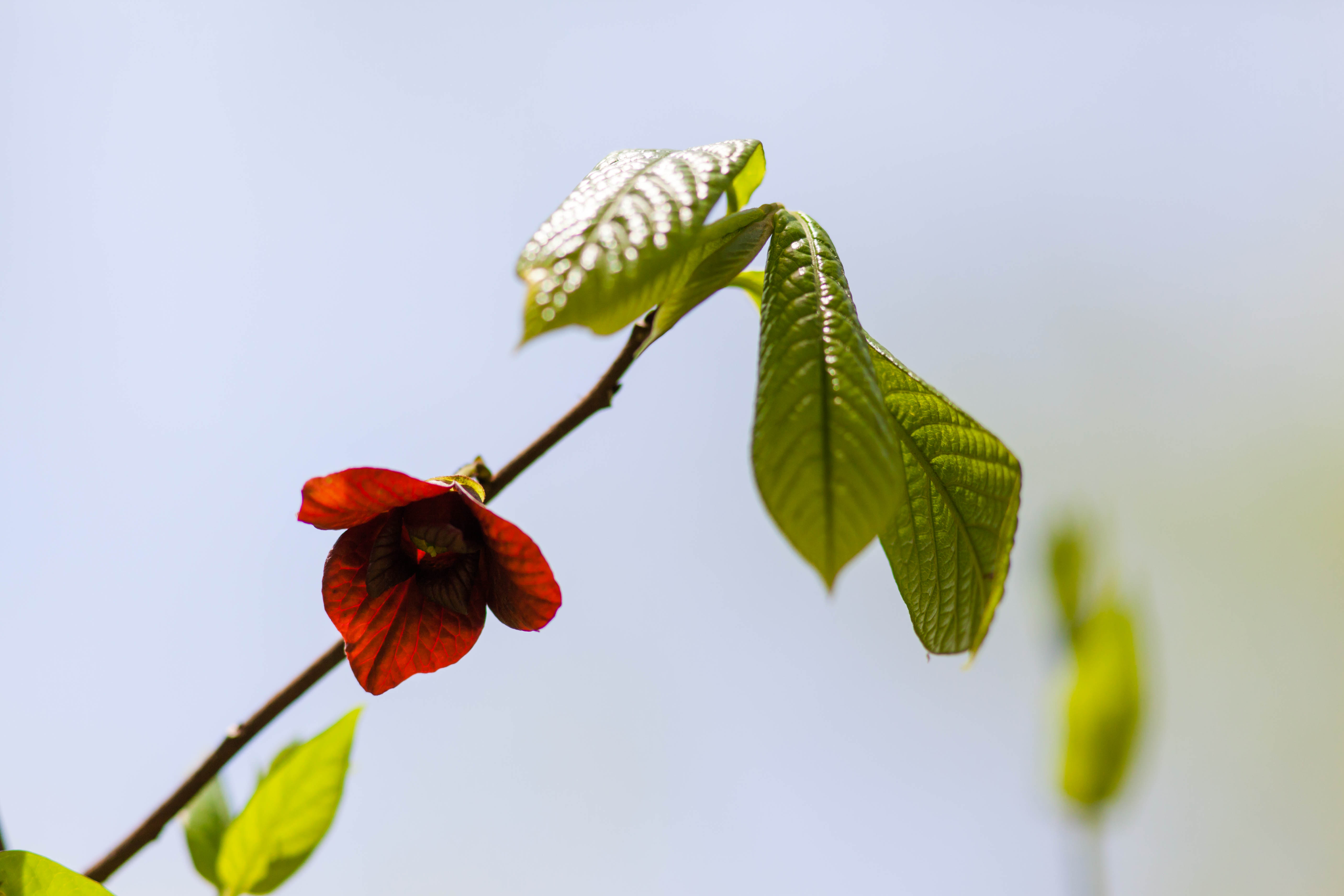
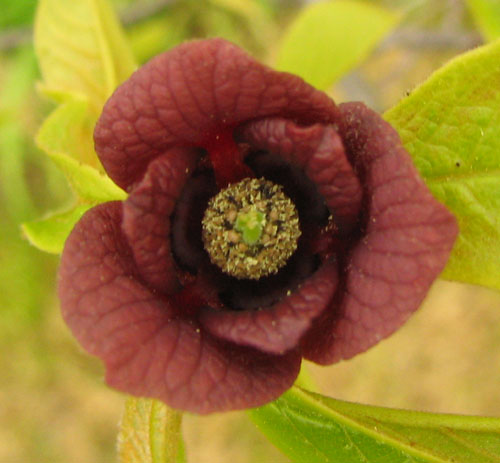
The pawpaw has dark lavender to maroon, upside-down flowers up to 2 inches across, which bloom between March and May. Each flower has multiple ovaries and can produce multiple fruit from a single flower. The pawpaw is not self-fertile and requires cross pollination.

Fruit

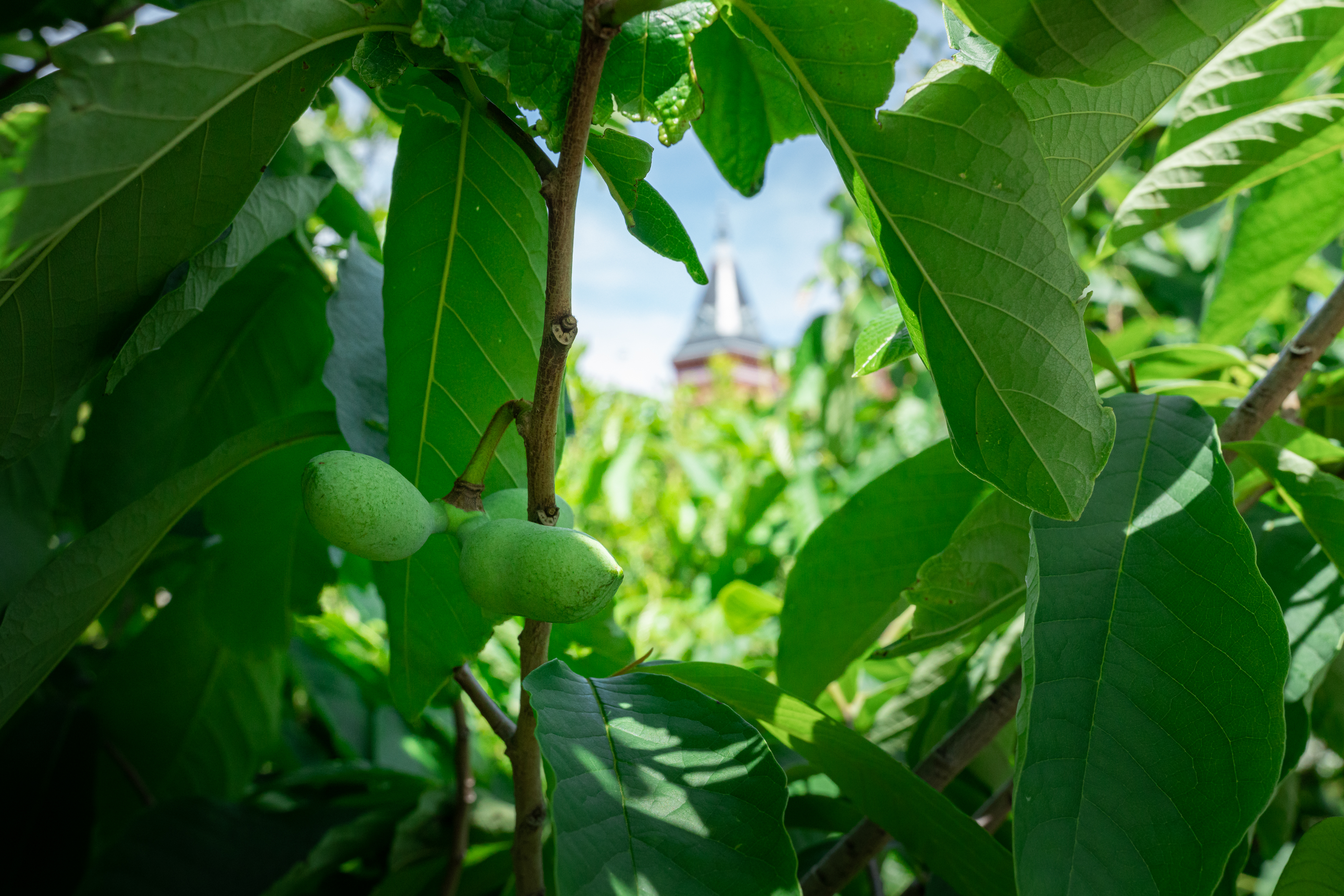
Individual pawpaw fruits can weigh 5 to 16 ounces and are 3 to 6 inches in length. The larger sizes can appear plump, like a mango. The fruit is dark green at first and light green when ripe. Yellow- and brown-skinned pawpaws are still edible but not as tasty.

Twig/branches

Pawpaw trees have arching gray-brown twigs and branchlets with fuzzy brown buds. The floral buds are round, while the vegetative buds are pointed.

Bark

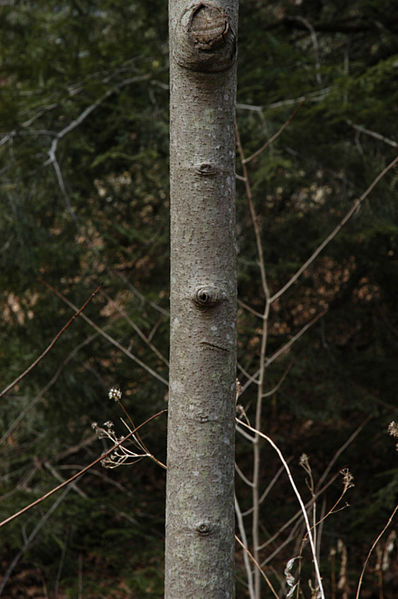
Young pawpaw trees have smooth, thin, gray bark. As the tree matures the pawpaw tree become more warty and rough with increasing trunk girth.

Form

The pawpaw tree is a small, narrow conical tree.

Size

Pawpaw trees can grow 12 to 20 feet in height and need a 15-foot diameter.

Native Range

The pawpaw tree is native to the temperate woodlands of eastern United States. The pawpaw tree’s hardy zones are 5 through 8.

Seasonal Colors

The leaves turn yellow in mid-autumn.

Soil

Pawpaw trees prefer moist, deep and fertile soil that is well drained and slightly acidic (pH 5-7). Avoid heavy, wet, alkaline soil.

Light

As a young plant, the pawpaw tree is very sensitive to full sunlight and makes a good understory tree. Once the tree is established, pawpaw trees can do well in full sunlight.

Best Cultivars

Good cultivars include Native, Select, Mango, and Susquehanna TM Pawpaw.

Harvesting Time

Pawpaw fruit ripens ripens during a 4-week period between mid-August and into October. When ripe, the fruit is soft and lightens in color. The fruit is best eaten fresh.

Management Practices

Pawpaw trees are extremely resilient trees with basically no diseases or pests. Because of its sparse root system, transplanting pawpaw trees is difficult and should only be dug up while dormant in the winter and then planted in the spring. Container pawpaw trees avoid this problem and can be planted anytime. Pawpaw tree’s main problem is its pollination. Pawpaw trees must have genetically different trees as pollinators. Bees show no interest in pawpaw trees, so it’s up to unreliable flies and beetles. Hand pollination using a small, soft artist’s brush to transfer pollen to the stigma can assist with pollination. Pollen is ripe for gathering when the ball of anthers is brownish in color, loose and friable. Pollen grains should appear as small beige-colored particles on the brush hairs. The stigma is receptive when the tips of the pistils are green, glossy and sticky, and the anther ball is firm and greenish to light yellow in color.

Rebate Eligibility

As long as the pawpaw tree is not a dwarf or a sapling it is eligible for a $50 rebate.

Photo Credits

Comments are closed.